Ceuta is a 18.5-square-kilometer pressure cooker where the European Union’s ideals collide with its anxieties. This Spanish enclave on the North African coast is currently undergoing a radical architectural transformation that goes beyond mere wall-building. The goal is the creation of 'Fortress Porosity'—a design philosophy that attempts to solve the paradox of creating a high-security containment zone that functions as a vibrant commercial hub. It is a sterile, calculated approach to urban planning that treats human movement as a fluid dynamics problem rather than a civil rights issue.
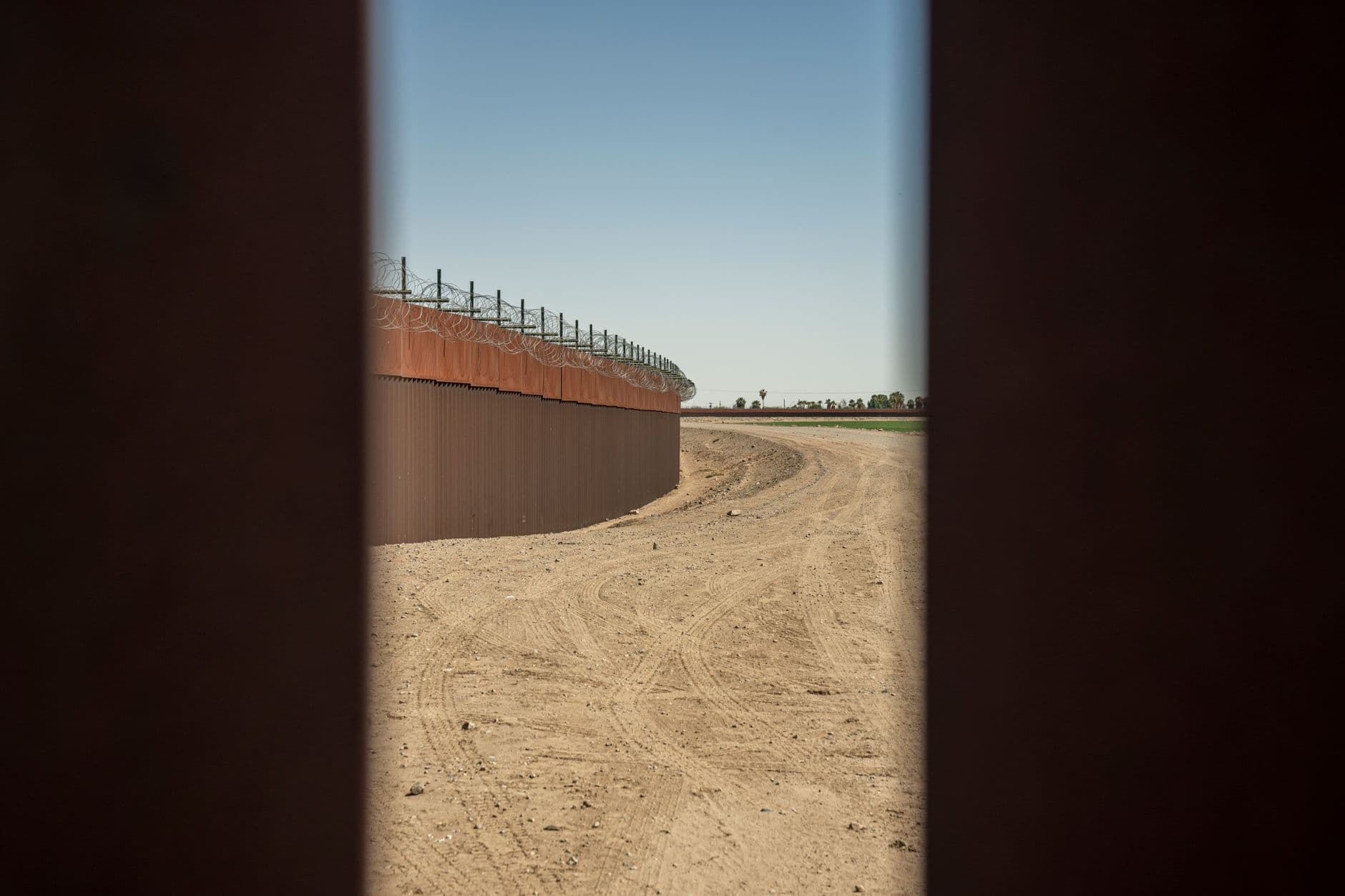
For decades, the border was a crude barrier of wire and concrete. Today, it is an integrated sensor-mesh that turns the entire city into a buffer zone. The architectural challenge here is unique: how do you invite the world in to trade while ensuring the door can be slammed shut in milliseconds? This is not just about the fence; it is about how the streets, plazas, and ports are shaped to facilitate surveillance while maintaining the facade of a functioning European city.
The Engineering of Selective Permeability
The new urban blueprint for Ceuta relies on the concept of 'channelization.' Architects are no longer just designing buildings; they are designing the voids between them to dictate the speed and direction of movement. This manifests in the widening of specific boulevards to allow for rapid armored vehicle deployment while simultaneously narrowing secondary pedestrian arteries to create natural bottlenecks. It is a city designed to be legible to a drone and navigable for a riot squad, all while appearing, on the surface, to be a modern Mediterranean port.
This architectural strategy is fueled by significant capital. Between 2021 and 2027, Spain and the EU have earmarked over €35 million for the modernization of the Ceuta and Melilla borders. This funding is not just for taller fences. It is for 'smart' border crossings that use facial recognition and biometric scanning to separate 'desirable' economic actors from 'undesirable' migrants. The result is a tiered reality where your right to navigate the city is determined by the digital signature you carry in your pocket.
- Biometric turnstiles that process 30,000 daily crossers based on pre-cleared status.
- Thermal imaging arrays integrated into the streetlights of peripheral neighborhoods.
- Modular street furniture that can be repositioned to act as temporary barricades during 'mass-scaling' events.
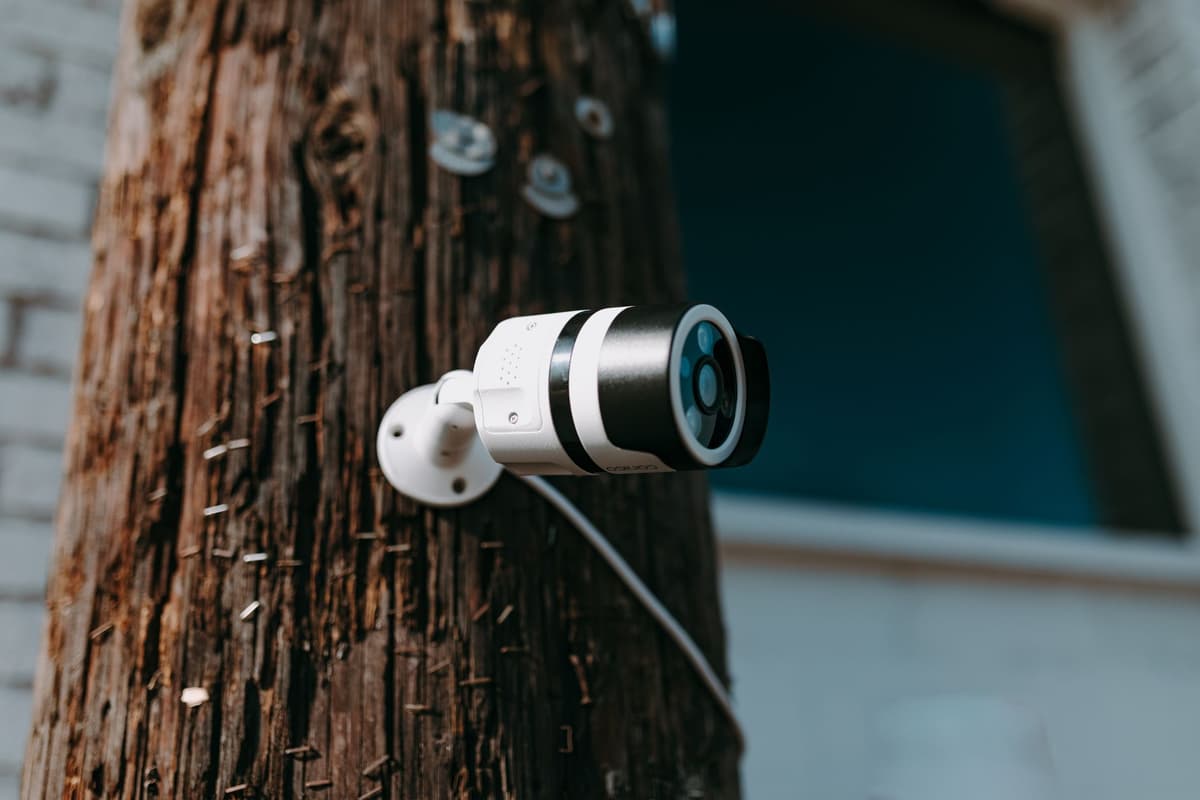
Photo by RDNE Stock project on Pexels
The Prison Without Bars
When a city is designed for maximum security, the residents who live there are effectively deputized as inmates of a high-tech panopticon. The 'Smart Border' does not stop at the fence; it bleeds into the local parks, the shopping districts, and the residential zones. In Ceuta, the architecture of the enclave creates a psychological weight. The proximity of the 6-meter-high double fence is a constant visual reminder that the city exists in a state of exception. Even the most beautiful new public plazas are designed with 'clear sightlines'—a term that sounds pleasant in an urban planning brochure but translates to 'no place to hide' in a security manual.
This leads to a sanitization of the urban experience. To make the city safe for international commerce and tourism, the 'unpredictable' elements of street life are engineered out. Street vendors, informal gatherings, and non-linear movement patterns are flagged as anomalies by the Al-driven surveillance systems monitoring the city's pulse. We are seeing the birth of a city where every square meter is categorized by its security risk, turning the act of walking home into a data point for a central command center.
The Blueprint for a Bordered World
Ceuta is the laboratory for the future of the European frontier. As the EU faces increasing pressure to manage migration, the 'Ceuta Model' is being studied by urban planners and security firms across the continent. It represents a shift from the 'Wall' to the 'Zone.' A wall is a binary—you are either in or out. A zone is a gradient of control where security is baked into the bricks and mortar. This is the ultimate goal of the Smart Border: a system so integrated into the environment that you don't even realize you're being processed until you try to move against the flow.
By 2030, the technologies being refined in this enclave will likely be standard in major transit hubs from Warsaw to Athens. The paradox of the 'Hard Border' is that it requires the city to become a machine. When we prioritize the 'porosity' of a border for goods but the 'fortress' nature for people, the architecture reflects that schizophrenia. We end up with spaces that are technically efficient but humanly hollow.
What This Actually Means
The revitalization of Ceuta is not a sign of urban progress; it is an admission of geopolitical failure. It represents the moment where we decided that we cannot solve the root causes of global inequality, so we will instead design smarter cages. The architecture of Fortress Porosity suggests that we can have our cake and eat it too—that we can maintain a globalized economy while physically walling off the consequences of that globalization.
When a city is built to be a containment zone, it loses its soul. The 'Smart Border' is a marketing term for a permanent state of siege. We must ask ourselves if a city that functions as a high-security filter is still a city at all, or if it is simply a very large, very expensive piece of border infrastructure. If Ceuta is the blueprint, then the future of the European city is one of managed movement, total visibility, and the quiet death of the unplanned encounter.
Quick Answers
Is Ceuta becoming an open-air prison?
Technically no, as residents move freely, but the architecture of total surveillance and physical containment creates a psychological and functional environment that mirrors a carceral state.
What is the goal of 'Smart Borders'?
They aim to use Al, biometrics, and urban design to allow the rapid flow of authorized goods and people while instantly detecting and blocking unauthorized movement.
Why is Ceuta the test case for this?
Its unique status as a small, high-density European territory located on the African mainland makes it the perfect isolated environment to test maximum-security urban integration.