The Overclocked Noodle
I recently watched a man in a Patagonia vest use a digital micrometer to measure the diameter of a soft-boiled egg. He wasn't a health inspector; he was just a guy named Chad who wanted to ensure his 'RamenHaus' experience met the 6.5-minute protein-coagulation spec. We have officially reached the end of culinary history when the most humble peasant dish on earth—flour, water, salt—is being re-engineered with the same obsessive intensity usually reserved for landing a rocket on a barge.
This isn't about flavor anymore. This is about architectural integrity. The modern developer-led dining culture has looked at a bowl of Tonkotsu and decided it was basically a legacy codebase that needed a complete refactor. They don't want a chef; they want a systems architect who can guarantee a specific tensile strength in the wheat strands so they don't lose 'structural snap' when submerged in 190-degree pork fat. It’s the only meal where the customer expects a changelog with the receipt.
Lab-Grown Gluten and the Alkaline Arms Race
Agricultural giants are now pivoting away from 'feeding the world' to 'satisfying the specific hydration requirements of a San Francisco startup.' We are seeing the rise of 'Designer Staples'—wheat strains literally cross-bred to withstand the sheer force of a high-speed slurping action. This isn't your grandma's flour. This is Type-00-Super-Alpha-Prime wheat, grown in soil that has been chemically balanced to match the exact pH of a 1980s Tokyo subway station.
Then there’s the water. A 'RamenHaus' doesn't just use tap water; they use 'remineralized aqueous solutions.' They are basically building a custom BIOS for their broth. If the magnesium-to-calcium ratio is off by 0.02%, the noodles won't achieve the necessary 'alkaline bounce' that differentiates a $28 bowl of 'Craft Ramen' from the 25-cent brick of Maruchan you ate in your dorm room while crying over a C++ assignment.
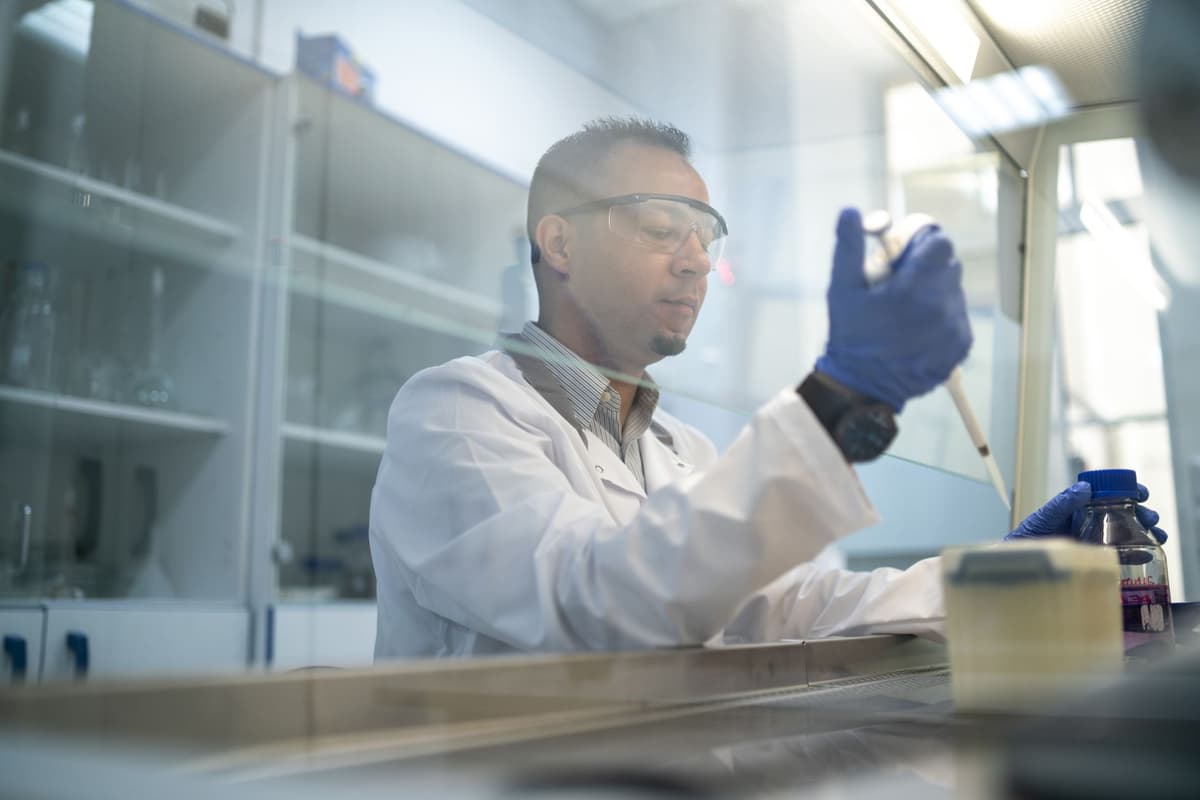
Photo by Mikhail Nilov on Pexels
We are witnessing the industrialization of the 'perfect bite.' It’s a terrifying level of optimization. I half-expect the waiter to ask me if I want to upgrade my broth to the 'Pro' version for an extra $5 a month, which includes priority queuing and a faster data-transfer rate from the bowl to my esophagus.
The Hardware Stack in a Ceramic Bowl
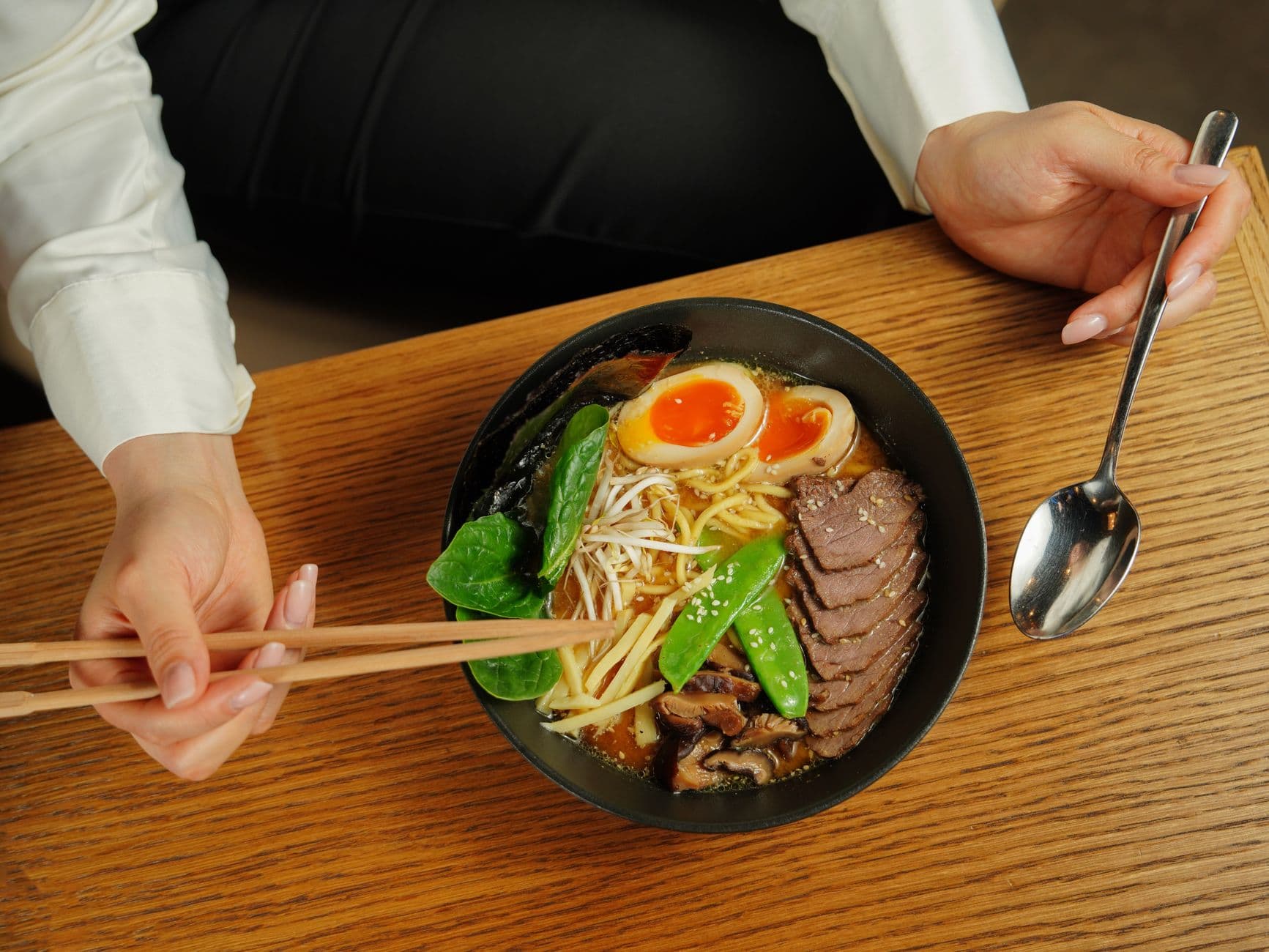
The hierarchy of a RamenHaus meal is essentially a tech stack. The broth is the OS—it provides the environment. The noodles are the hardware; they have to be rigid, reliable, and able to handle a heavy load. The toppings? Those are just the UI/UX. If your nori isn't positioned at a perfect 45-degree angle to the rim, the entire user experience is ruined, and the lead dev (the guy with the headband and the $400 tweezers) will probably have a breakdown in the walk-in freezer.
- Layer 1 (Physical): The bowl. Must be heavy enough to kill a man but retain heat like a nuclear reactor core.
- Layer 2 (Network): The slurping. If you aren't making enough noise to be heard in the next ZIP code, you are failing to provide the necessary aeration for the flavor profile to 'bloom.'
- Layer 3 (Application): The egg. If the yolk isn't a precise jammy consistency that mimics the viscosity of 10W-30 motor oil, the whole system crashes.
I saw a guy send a bowl back because the 'fat globules were insufficiently emulsified.' He used the word 'latency' to describe the time it took for the spice to hit the back of his throat. We are one step away from people bringing their own liquid-cooled spoons to ensure the broth stays at the optimal thermal operating temperature during consumption.
What This Actually Means
At its core, the RamenHaus trend is the final victory of the nerd. We’ve taken the most chaotic, soulful, 'shove it in your face' food and turned it into a benchmark test. By treating agriculture like a manufacturing plant for 'Designer Staples,' we’re trading the happy accidents of cooking for the cold, hard certainty of engineering. It’s impressive, sure, but it’s also a little bit insane to treat a noodle like a microchip.
We’re spending millions of dollars to re-engineer the global supply chain just so a guy named Kevin can have a 'repeatable luxury experience' on his lunch break. It’s the hyper-optimization of joy. We’ve managed to turn dinner into a stress test, and while the results are delicious, I can’t help but miss the days when the only 'data' I needed from my ramen was whether or not it was hot enough to burn the roof of my mouth.
Ultimately, if your lunch requires a white paper to explain the mineral profile of the water, you aren't eating; you're just performing a hardware upgrade on your own body. And honestly? I’ll probably still pay the $28 for it, provided the 'snap' is within the acceptable 5% margin of error. Just don't ask me to code anything afterward.
Quick Answers
Is 'RamenHaus' actually a real thing?
It’s less a brand and more a lifestyle choice for people who think a spreadsheet is a valid seasoning.
Why is the water so important?
Because high-alkaline water makes noodles chewy, and tech bros won't respect anything that doesn't put up a fight when they bite it.
Can I just eat regular ramen?
Yes, but your 'Social Dining Score' will plummet and you'll never be invited to a Series B funding round again.
What happens if I don't slurp?
Technically, the chef is legally allowed to come out and uninstall your taste buds with a pair of pliers.