
The Manufactured Fragility of the Modern Gateway
Most people treat their home router as an appliance, a silent utility no different from a toaster or a lamp. This perception is a gift to manufacturers who have spent years perfecting the art of the 'black box'—devices running opaque, proprietary code that the owner is legally and technically forbidden from inspecting. When a company decides a model is no longer profitable to support, they simply stop issuing security patches. This isn't a technical limitation; it is a calculated business decision that transforms functional hardware into a liability.
This cycle of forced upgrades is the primary driver of electronic waste in the networking sector. A router built in 2018 is often perfectly capable of handling modern gigabit traffic from a silicon perspective, yet millions of these devices sit in landfills because their software has been abandoned. We are living in an era where the hardware outlives the manufacturer's attention span by a decade, creating a massive security vacuum in the very device meant to guard our digital lives.
The OpenWrt One project represents more than just a new piece of kit for enthusiasts. It is a direct challenge to the industry’s reliance on binary blobs and locked bootloaders. By designing hardware specifically to run open-source firmware from day one, the project removes the 'planned' from obsolescence. It shifts the power dynamic from the vendor back to the person who actually paid for the device.
Sovereignty Through Open Silicon
Security in consumer networking has long been an exercise in 'security through obscurity,' a philosophy that has failed spectacularly. When vulnerabilities like Mirai or various VPNFilter strains emerge, consumers are left at the mercy of vendor rollout schedules. If your router is three years old, that patch might never come. Open hardware like the OpenWrt One changes the math by ensuring that the community, not a corporate board, dictates the lifecycle of the device.
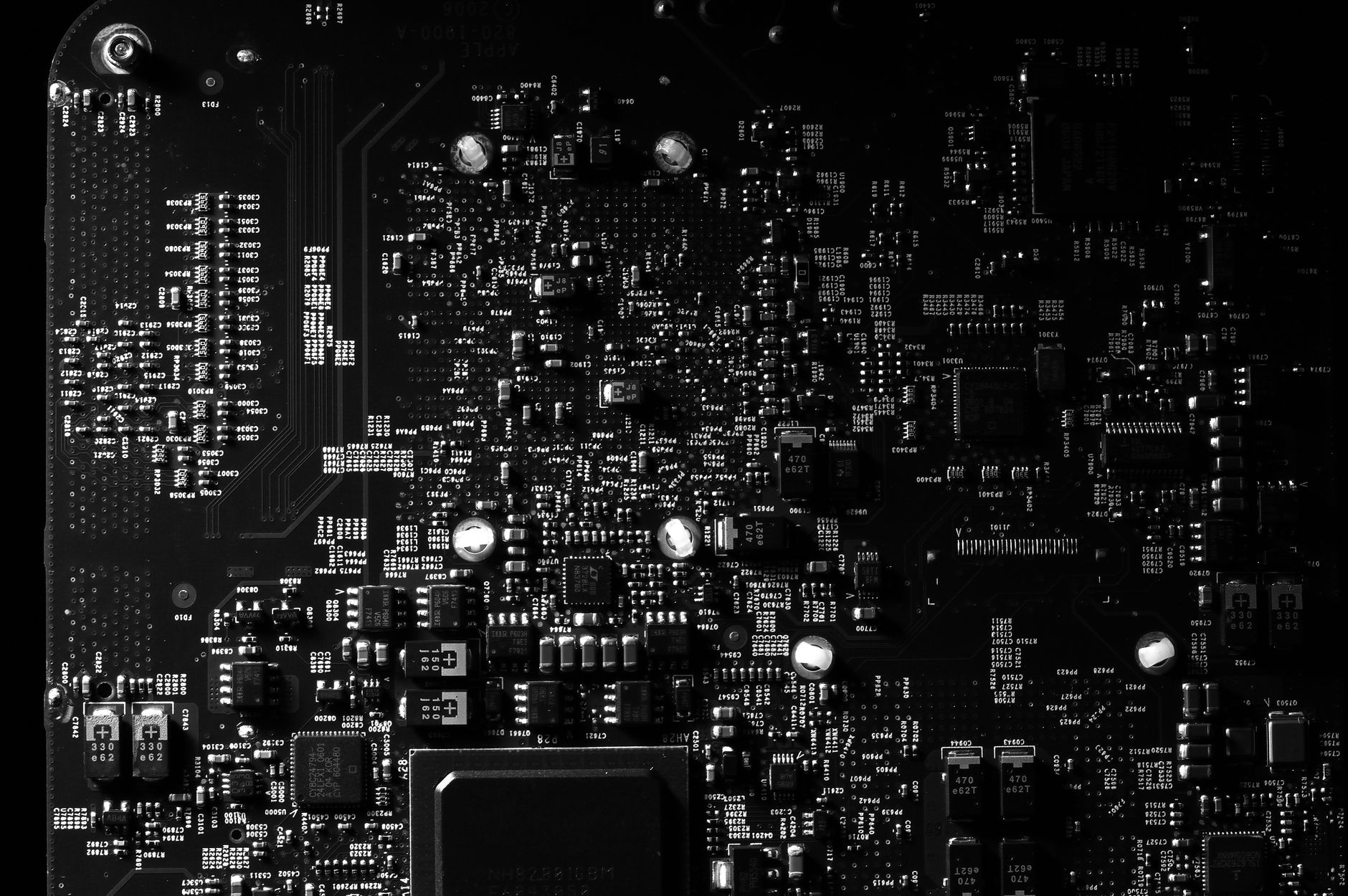
Photo by Miguel Á. Padriñán on Pexels
The technical specifications of the OpenWrt One—featuring a MediaTek MT7981B SoC and 1GB of DDR4 RAM—are respectable, but the hardware is secondary to the philosophy of the schematics. This is a design intended to be repaired and understood. In a world where companies like Cisco and Netgear are increasingly moving toward subscription-based features for basic networking functions, the existence of a high-performance, open-spec alternative is a necessary act of rebellion. It proves that we do not need a middleman to manage our local traffic.
Furthermore, the inclusion of a hardware-based write-protect switch for the flash memory is a serious nod to physical security that consumer-grade hardware almost always ignores. It prevents remote attackers from permanently 'bricking' or compromising the firmware at a level that a factory reset cannot fix. This is the kind of thoughtful engineering that occurs when the goal is longevity rather than a quarterly sales target.
Breaking the Cycle of Disposable Infrastructure
We must stop accepting that networking hardware has a three-year shelf life. The environmental cost of the current model is staggering, with global e-waste reaching 62 million tonnes in 2022 alone. A significant portion of this is 'functional' waste—devices that work perfectly but are software-dead. The OpenWrt movement provides a blueprint for a circular economy in tech where the software is as durable as the silicon it runs on.
- Transparency: Every line of code running on the device can be audited by the public, ensuring no backdoors or hidden data collection.
- Longevity: Support for the hardware continues as long as the community finds it useful, often extending a decade past the manufacturer's 'End of Life' date.
- Performance: Open-source drivers often outperform bloated proprietary stacks by stripping away unnecessary tracking and poorly optimized GUI elements.
This isn't just for the 'tinkerer' anymore. As our homes become increasingly saturated with IoT devices—many of which are notoriously insecure—the router is the only line of defense. Entrusting that defense to a company that views the device as a disposable commodity is a fundamental error in judgment. We need infrastructure that is built to last, not built to be replaced.
What This Actually Means
The arrival of the OpenWrt One is a signal that the 'black box' era is losing its grip. It is a realization that true ownership of a device requires the right to modify, repair, and secure it without seeking permission from a corporate entity. When you buy a router with locked firmware, you are essentially renting the right to use your own internet connection under the manufacturer's terms.
Choosing open hardware is a vote for a more stable and secure internet. It forces the industry to acknowledge that consumers are becoming aware of the 'death by software' tactic. If the major players want to compete, they will eventually have to stop treating their customers like temporary tenants and start treating them like owners.
Ultimately, the shift toward open networking is about reclaiming the foundation of our digital existence. We spend our lives behind these gateways. It is time we knew exactly how they work and had the power to keep them running as long as we see fit.
Quick Answers
Is open hardware harder to use than a standard router?
While the initial setup might require more steps than a 'plug-and-play' consumer box, the long-term maintenance is often simpler because the interface remains consistent across years of updates.
Does this really help with security?
Yes, because open-source communities typically identify and patch vulnerabilities significantly faster than corporate security teams who must navigate legal and marketing approvals first.
Can I turn my current router into an open one?
Many existing routers can be flashed with OpenWrt, but 'open hardware' like the OpenWrt One is designed from the PCB up to support this, avoiding the driver issues that plague many consumer models.