Improving on Geography
Nature really dropped the ball with the Nile. For thousands of years, it just sat there, predictably flooding and supporting a narrow strip of life while leaving the rest of the country as a perfectly good, empty desert. The Egyptian government has finally decided to correct this oversight with the 'New Delta' project, a $5.2 billion endeavor to build a second, slightly more artificial river. Because if you’re running out of water, the most logical solution is to build a massive new pipe to put more water in places where water doesn't want to be.
This isn't just a ditch; it’s a 114-kilometer testament to human stubbornness. The plan involves taking agricultural drainage water—which is a polite way of saying water already used to wash pesticides and fertilizers off other crops—treating it, and pumping it uphill into the Western Desert. We are effectively trying to trick the Sahara into becoming a salad bowl using recycled runoff and sheer willpower.
The Magic of Recycled Runoff
There is something truly poetic about the logistics of this. To make the desert bloom, Egypt is building the world's largest wastewater treatment plant at El Hammam. It’s designed to process 7.5 million cubic meters of water per day. That is a lot of effort to ensure that the wheat grown in the desert has that distinct, refined hint of 'previously used.' It’s the ultimate upcycling project, assuming the soil in the Western Desert doesn't have any opinions about being suddenly saturated with salty, treated effluent.
- The project aims to reclaim 2.2 million acres of land.
- It requires 22 lifting stations to move water against the annoying laws of gravity.
- The 'river' is actually a mix of open channels and underground pipes, because nothing says 'majestic waterway' like a massive concrete tube.
Engineers are working around the clock to finish this by the mid-2020s. It’s a race against time, a rising population, and the fact that the Grand Ethiopian Renaissance Dam upstream is currently holding the keys to the original Nile’s flow. If you can't get more water from the source, I suppose you might as well start recycling the stuff you already spat out.
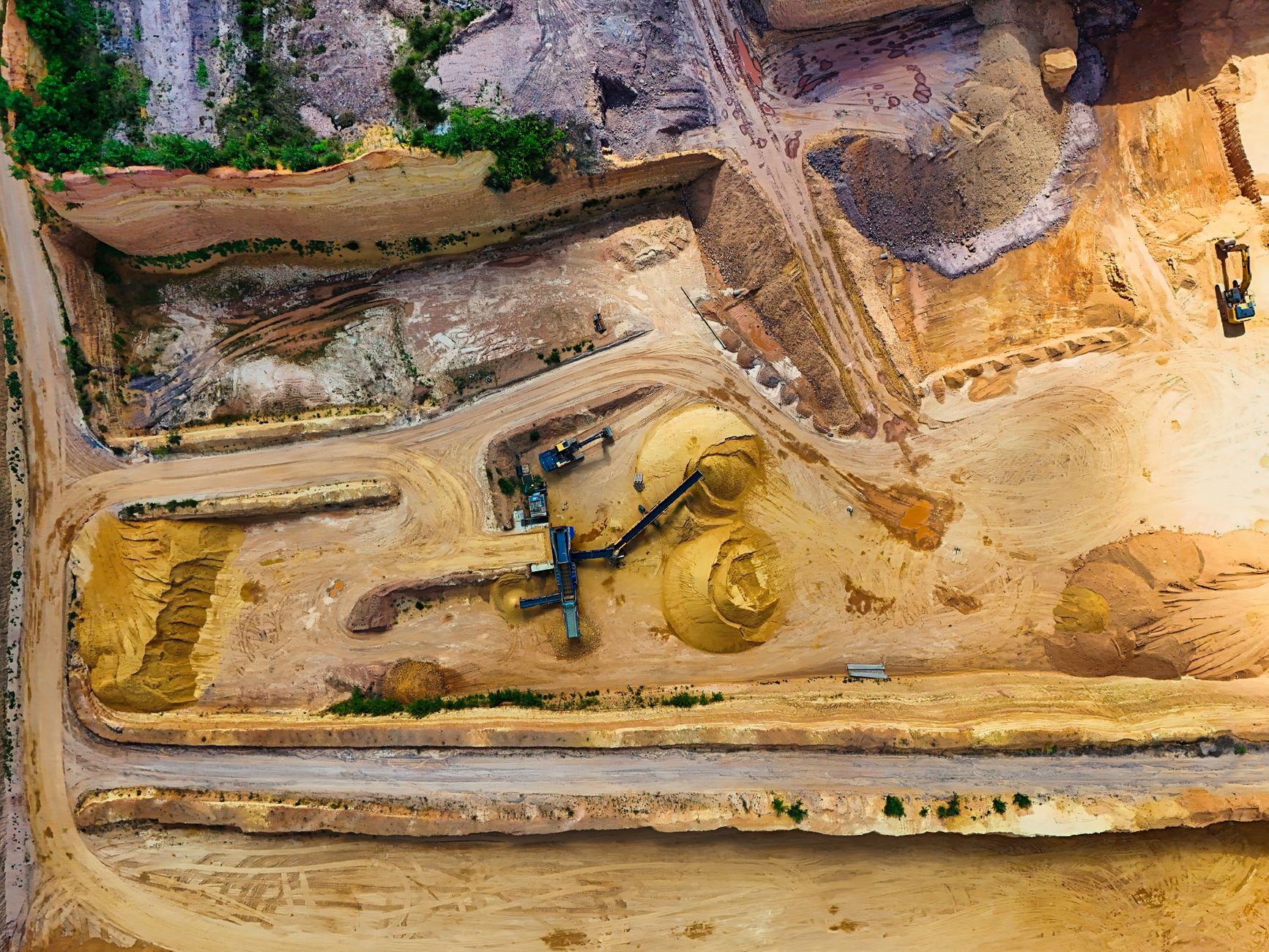
Photo by Volker Braun on Pexels
A Gamble with Salt and Sand
Ecologists, those notorious party poopers, are pointing out minor details like soil salinity and evaporation rates. In the Western Desert, the sun is remarkably good at its job. When you spread thin layers of water across a giant furnace, the water tends to leave, while the salt stays behind to throw a party. Within a few decades, we might not have a New Delta so much as a New Salt Flat, but that’s a problem for 'Future Egypt,' and they’ll probably have even cooler digging machines by then.
There’s also the small matter of the energy required to pump millions of tons of water uphill. In a world trying to decarbonize, Egypt has decided the best path forward is a massive, energy-intensive plumbing project. It’s a bit like trying to outrun a forest fire by turning on every air conditioner in the house. It feels like you’re doing something, and it certainly makes a lot of noise, but the physics are a bit skeptical of your long-term success.
What This Actually Means
This project is the ultimate 'double or nothing' bet on geoengineering. Egypt is literally trying to build its way out of a climate catastrophe by doubling down on the very industrial interventions that got us here. It’s a fascinating experiment in whether a civilization can survive by simply refusing to accept its geographic limitations. If it works, they’ve invented a way to turn desert into gold; if it fails, they’ve built the world’s most expensive salt-evaporation pond.
Ultimately, the New Delta is a monument to the era of 'Fixing It Later.' We don't have enough water, so we’ll build a river. We don't have enough land, so we’ll move the sand. We don't have a sustainable ecosystem, so we’ll build a synthetic one and plug it into the wall. It’s bold, it’s expensive, and it’s exactly the kind of move you make when you have no other options left and a lot of very large shovels.
Quick Answers
Is this actually a river?
Technically, it’s a 70-mile conveyor belt for treated wastewater, but 'Artificial River' sounds much better on a brochure.
Where is the water coming from?
It’s recycled agricultural drainage water, which means it’s already done one shift in a field before being sent to the desert for overtime.
Will this stop the food crisis?
It aims to provide 15% of Egypt's grain needs, assuming the desert cooperates and the pumps don't stop.