For decades, developmental biology has operated on a hilariously optimistic assumption: if it happens in a mouse, it probably happens in you. We have poured billions of dollars into studying pregnant mice, treating these tiny whiskered roommates as exact, scale-model replicas of human beings. It is the scientific equivalent of trying to learn how to fly a Boeing 747 by spending thirty years aggressively playing with a paper airplane.
But a team of researchers recently used CRISPR-Cas9 precision editing on actual human embryos, and they stumbled onto something that has made the entire scientific establishment look very, very silly. They targeted a gene called OCT4, expecting it to behave exactly the same way it does in mice. It did not. In fact, the results showed that the genetic master key directing the very first days of human life is playing by an entirely different rulebook.
The Day the Mouse Metaphor Died
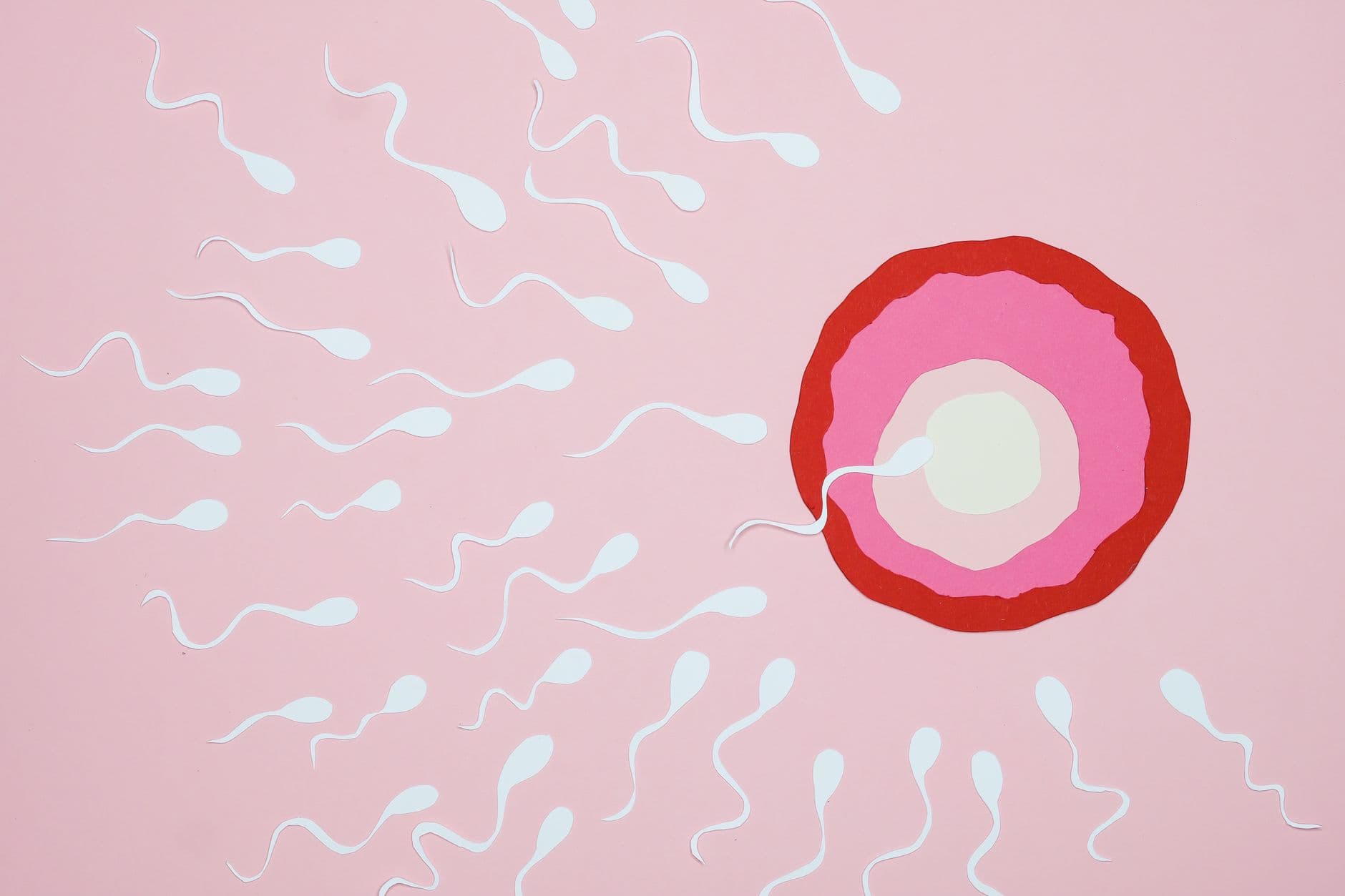
When you knock out the OCT4 gene in a mouse embryo, the embryo still manages to do some basic construction work. It is like a lazy contractor who at least puts up the drywall before abandoning the job. But when researchers used CRISPR to snip OCT4 out of human embryos, the entire operation collapsed immediately. The human embryos could not even form a blastocyst, which is the tiny clump of cells that eventually decides to become a person instead of just a weird microscopic sphere.
This is not a minor discrepancy. This is a fundamental biological divergence. For years, IVF clinics and reproductive specialists have been designing treatments based on what keeps mouse cells happy in a petri dish. We have been trying to solve human infertility by consulting a species that can reproduce in a cardboard box behind a washing machine.
Think about the sheer hubris of this. Mice gestation lasts about 20 days. Human gestation lasts nine months and involves weird cravings for pickles and ice cream. To assume the molecular instructions for these two processes are identical is like buying a manual for a 1998 Honda Civic and using it to service a nuclear submarine.
The $100 Billion Rodent Industrial Complex
There is a massive, incredibly expensive industry built entirely around the assumption that mice are just tiny, cheap men in fur coats. We breed them, we patent them, we genetically engineer them to get anxious, and then we act shocked when 90 percent of drugs that cure disease in mice fail miserably in human clinical trials.
We have cured cancer in mice approximately one million times since the 1970s. Meanwhile, if you are a mouse with a bald spot, congratulations, we have fifty different ways to grow your hair back. But the moment we try those same therapies on a human, our biology looks at the mouse-approved molecule and says, "I have never seen this man in my life."
Photo by www.kaboompics.com on Pexels
This CRISPR discovery is forcing scientists to admit that the "human-mouse divergence gap" is not a crack we can paper over with statistics. It is a canyon. We cannot keep using mice as a proxy for the absolute dawn of human life. It is not just bad science; it is an incredibly inefficient way to spend research grants.
What This Actually Means
This does not mean we are going to start experimenting on human embryos wholesale. There are massive, incredibly heavy ethical boundaries there, and nobody is suggesting we ignore them. What it does mean is that we have to stop pretending the mouse model is a holy text. We need to develop better in vitro human cell models, organoids, and computational simulations that actually respect our unique evolutionary path.
In the world of reproductive medicine, this shift could finally explain why IVF success rates have historically hovered around a frustrating 30 to 40 percent for women under 35. If we have been cultivating human embryos using blueprints stolen from a rodent, we have been setting ourselves up for failure. Designing fertility treatments based on actual human genetic pathways, rather than mouse approximations, is the biological equivalent of finally turning the map right-side up.
Ultimately, we have to accept that humans are weird, highly specific evolutionary outliers. We do not get to take the easy way out by studying creatures that live in our walls. It turns out that becoming a human being is a highly exclusive, bespoke process—and the mouse was never invited to the VIP lounge.
Quick Answers
Why can't we just keep using mice for this research?
Because their early embryonic development is governed by completely different genetic timing and pathways. Using a mouse to study early human development is like using a toaster manual to fix a smartphone.
What does the OCT4 gene actually do?
In humans, OCT4 acts as the ultimate project manager for the embryo. Without it, the cells completely forget how to organize themselves into the structure that eventually implants in the womb.
Will this lead to genetically modified designer babies?
No. This research is about understanding how normal embryos develop in their first few days, not about editing babies. The embryos used in these studies are never implanted and are only observed for a few days to see how the genetic machinery works.