
The dream of the carbon-neutral skyscraper is dying in the elevator lobby. We have spent decades perfecting high-performance glass, geothermal foundations, and recycled steel, yet the very circulatory system of the modern high-rise remains a closed, black-box mystery. Building owners are discovering that their multi-million dollar 'smart' elevators are functionally illiterate when it comes to the modern electrical grid.
This isn't a mechanical failure; it is a software crisis. As cities push for higher density to curb suburban sprawl, the energy load required to move thousands of people vertically has become a primary hurdle. We are building massive urban batteries that cannot discharge their potential because the firmware governing their movement is locked behind proprietary gates. If the elevator cannot talk to the grid, the building cannot be sustainable.
The Gatekeepers of Vertical Velocity
Four major manufacturers control the vast majority of the global elevator market. These companies do not sell hardware so much as they lease a relationship. When a building manager attempts to integrate an open-source grid-balancing platform—software designed to throttle energy use during peak demand or feed regenerative braking power back into the local microgrid—they hit a digital wall. The elevator's control logic is a 'black box' that refuses external commands.
This is the 'M5 Max' problem applied to architecture. Just as specialized hardware enthusiasts find their devices throttled or disabled by firmware updates that prioritize manufacturer control over user utility, building owners find their 'green' infrastructure crippled. The elevator's regenerative drive might be capable of capturing 30% of the energy used during a descent, but if the proprietary software isn't configured to handshake with the building’s specific energy storage system, that power is simply dissipated as heat. It is a literal waste of gravity.
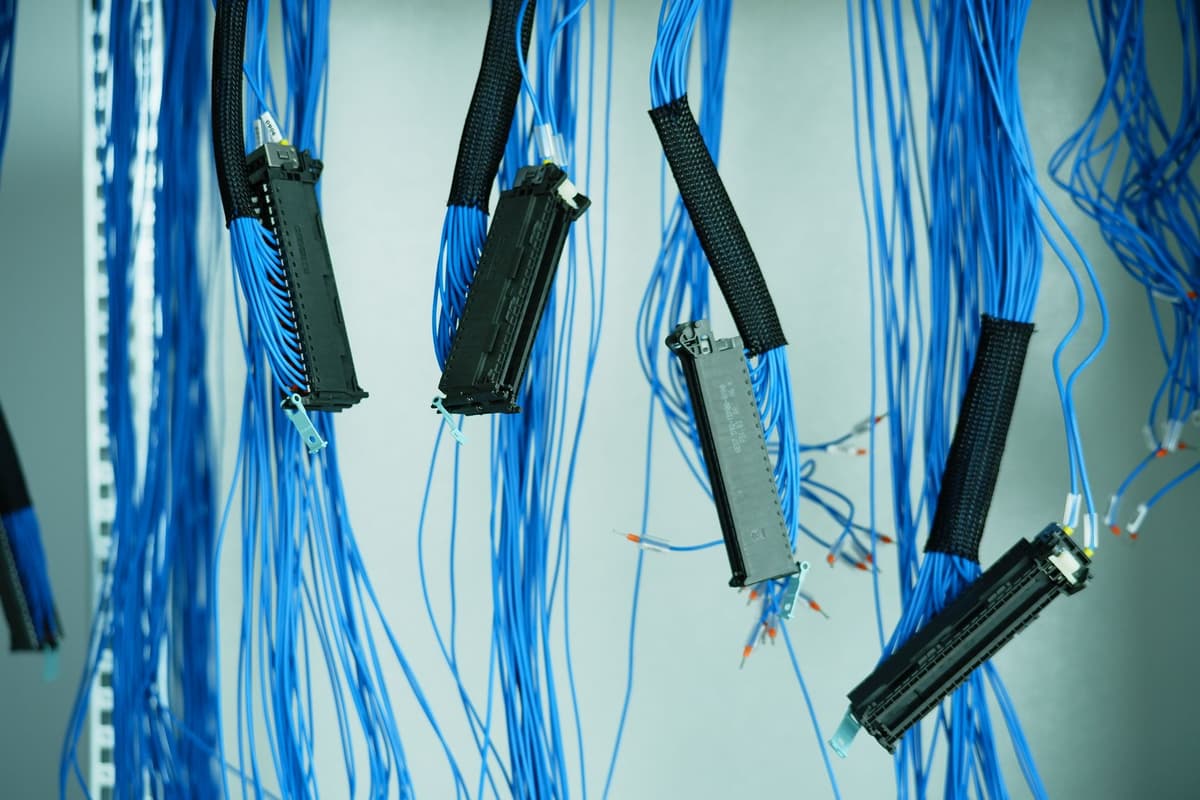
Photo by cnrdmroglu on Pexels
The Grid-Balancing Bottleneck
To achieve true net-zero status, a building must be an active participant in the energy market. It needs to shed load when the grid is stressed and contribute power when it has a surplus. In a 50-story residential tower, the elevators can account for up to 10% of total energy consumption. They are the most volatile load in the structure, spiking instantly as cars accelerate and reversing flow as they brake.
Without an open API (Application Programming Interface), these buildings cannot perform 'peak shaving.' A truly smart building would receive a signal from the utility company and subtly adjust elevator dispatching—perhaps slowing a non-essential freight lift by 5%—to prevent a massive demand charge. Instead, because the firmware is locked, the elevator remains an island. It operates with a selfish logic that ignores the reality of the burning grid outside its doors.
This lack of interoperability is a calculated business move. By keeping the control logic closed, manufacturers ensure that only their proprietary (and expensive) service technicians can modify the system. They are prioritizing service contract margins over the survival of the planet. It is a cynical trade-off that is currently being subsidized by every tenant in a high-density development.
Lessons from the Firmware Wars
We have seen this pattern in consumer electronics and the automotive industry. When Tesla or Apple uses software to lock out third-party repairs or integrations, it is framed as a matter of 'safety' or 'security.' The elevator industry uses the same shield. They argue that opening the control logic to third-party grid-balancing software would compromise the safety of the passengers.
This argument is a fallacy. Safety protocols are—and should be—hardcoded at the mechanical and low-level logic layers. The high-level dispatching and energy management logic can be made interoperable without ever touching the 'dead-man' switches or overspeed governors. We are not asking for the right to bypass brakes; we are asking for the right to manage electricity. The industry is conflating safety with a monopoly on data.
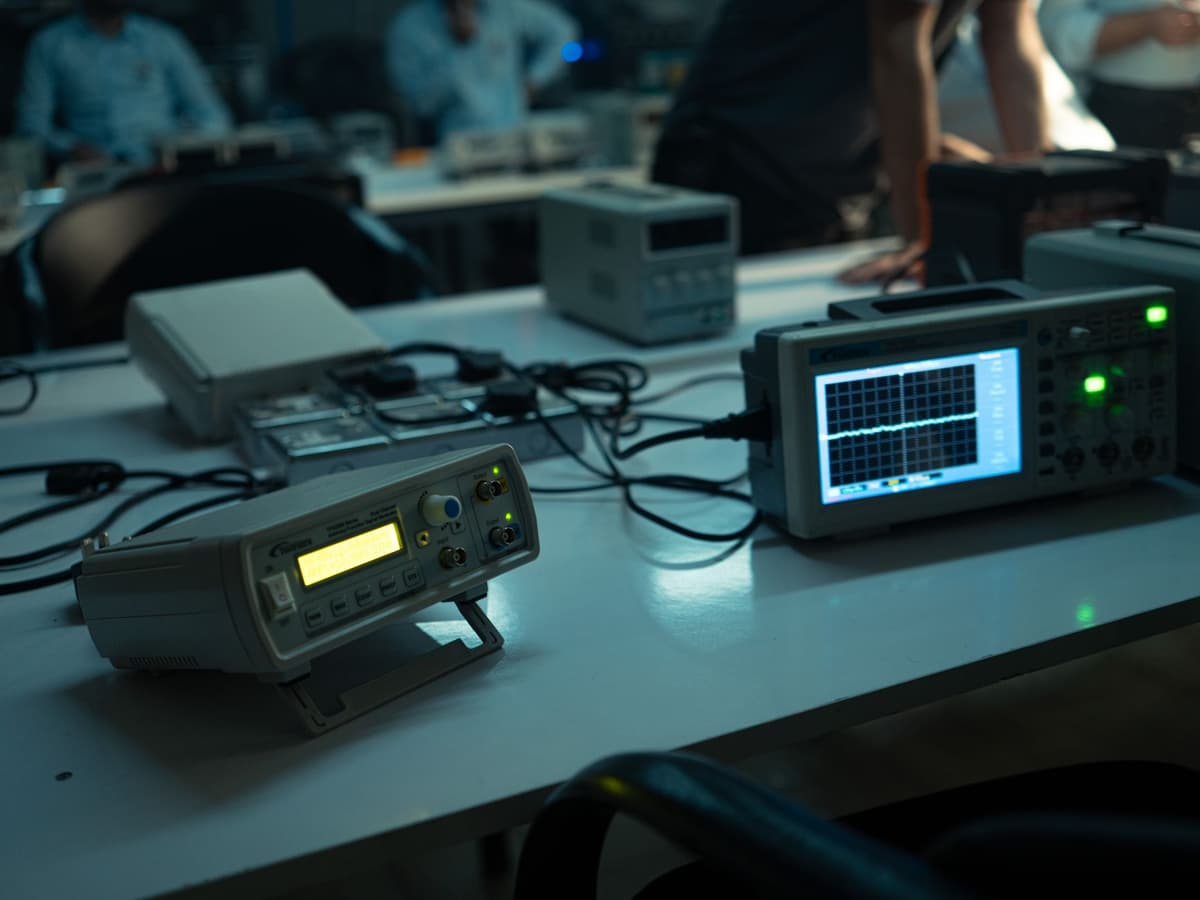
Photo by khezez | خزاز on Pexels
What This Actually Means
If we do not mandate open-source standards for vertical transport firmware, the 'sustainable city' will remain a marketing fiction. We cannot continue to build high-density urban environments where the most energy-intensive components are legally and digitally barred from cooperating with the energy grid. The cost of this friction is measured in gigawatt-hours of wasted potential and billions of dollars in unnecessary infrastructure upgrades.
Legislators must move beyond building codes that only look at insulation and LED bulbs. We need a 'Right to Interoperate' for large-scale urban machinery. This means requiring manufacturers to provide documented, open APIs for energy management as a condition of occupancy permits. A building that cannot talk to its city is not a smart building; it is a liability.
Ultimately, the transition to a carbon-neutral future requires a shift in how we view ownership. When a developer buys an elevator system for $2 million, they should own the logic that runs it. The era of the proprietary black box must end at the ground floor. If we want to live in the sky, we have to stop letting firmware hold our energy future hostage.
Quick Answers
Why can't elevators currently help the power grid?
Most modern elevators use 'black box' proprietary firmware that prevents third-party software from seeing or controlling energy flow, making it impossible to coordinate with city-wide energy-saving efforts.
Does this really affect a building's carbon footprint?
Yes; vertical transport can consume 5% to 15% of a building's power. Without the ability to balance this load or properly recycle regenerative braking energy, a building's net-zero goals are mathematically impossible to reach.
Is it a safety risk to open up elevator software?
No, because the critical safety systems (like emergency brakes) are separate from the high-level energy management and dispatching logic that needs to be made open and interoperable.