The prevailing wisdom in Silicon Valley for the last two decades has been that hardware is a brutal, capital-intensive trap. We were told that unless you had ten million dollars in seed funding and a team of thirty engineers, you shouldn't bother trying to move atoms. That era is over. The success of niche products like the MIDI recorder—selling thousands of units with zero institutional backing—proves that the barriers to entry have not just lowered; they have effectively dissolved for those who understand the new stack of global production.
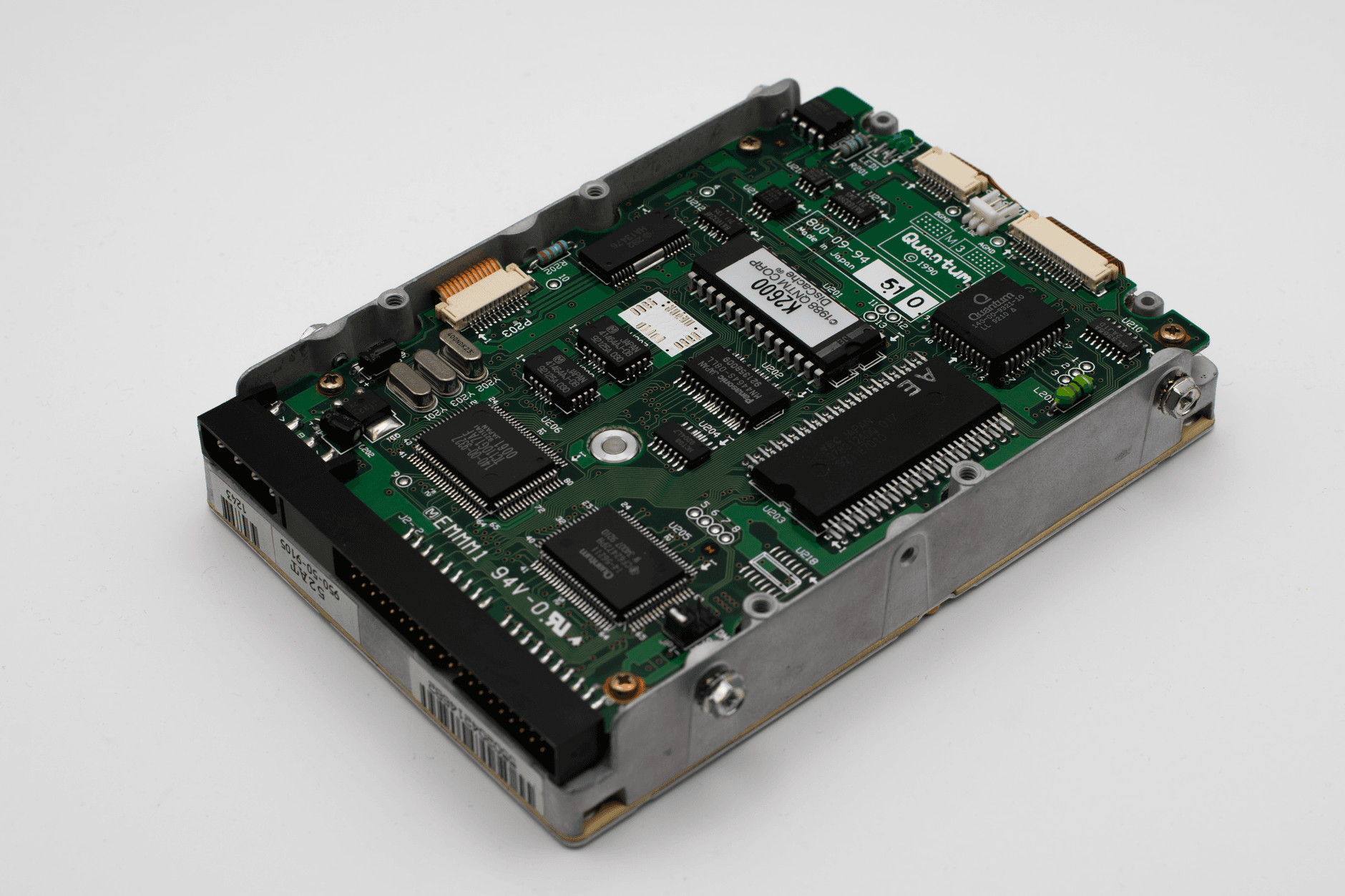
This isn't about hobbyism or 3D-printed trinkets. This is about the professionalization of the 'micro-manufacturer,' a single-person or small-team entity that utilizes the same sophisticated supply chains as multinational corporations. The shift is structural, driven by the falling costs of precision PCB assembly and the commoditization of international shipping. When you can design a board in free software, send the files to a factory in Shenzhen on Monday, and have 500 populated units on your desk by the following Friday, the traditional risk profile of hardware evaporates.
The Commodity of Precision
Ten years ago, surface-mount technology (SMT) was a gatekeeper. Setting up a pick-and-place machine for a small run was prohibitively expensive due to high tooling costs and minimum order quantities. Today, companies like JLCPCB and PCBWay have turned specialized engineering into a clickable menu. You are no longer paying for the 'setup'; you are paying for the components and a marginal service fee. This shift allows a creator to iterate on physical prototypes with the speed of a software developer pushing code to a staging server.
This accessibility removes the need for the 'Big Bang' launch. Instead of betting the company on a single 50,000-unit production run, a micro-manufacturer can start with 100 units, find product-market fit, and scale organically through cash flow. By the time a developer sells their 2,500th unit, they haven't just built a product; they have built a self-sustaining economic engine that owes nothing to a board of directors or a venture fund.
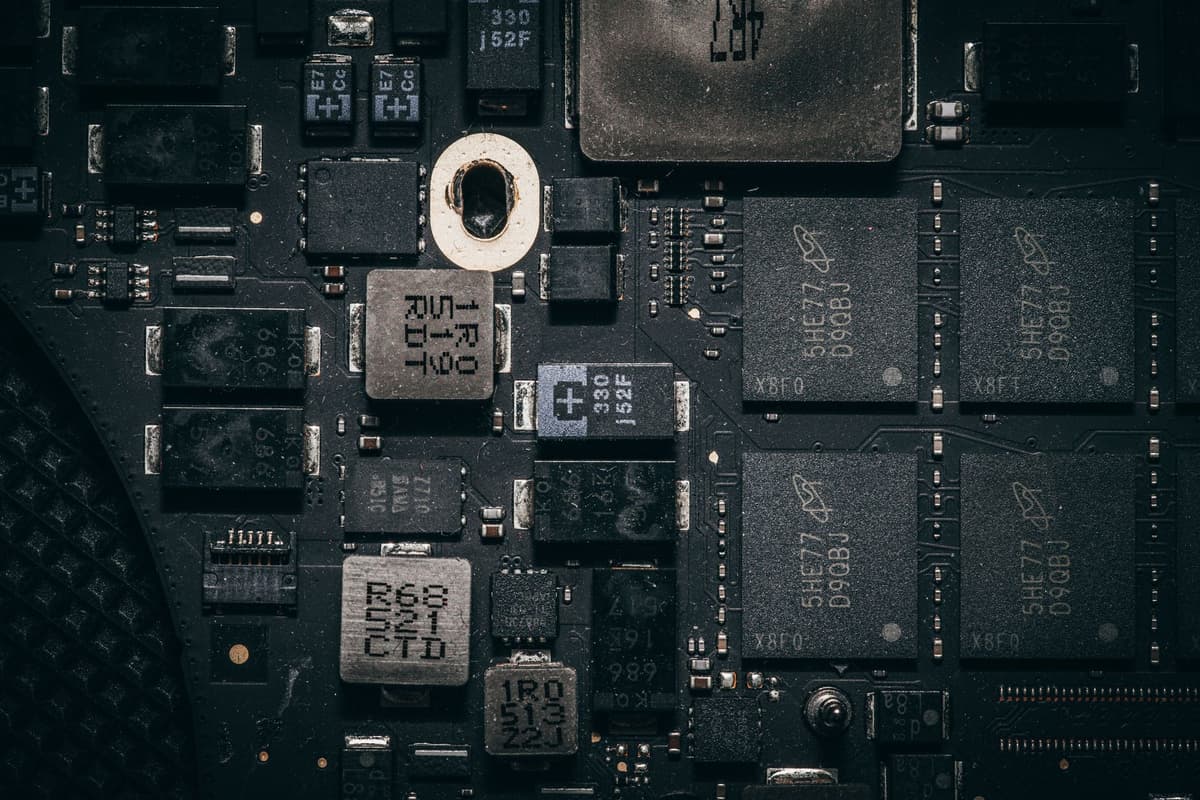
Photo by Jakub Pabis on Pexels
The Logistics of the Long Tail
Manufacturing is only half the battle; the real friction used to be in the distribution. The traditional model required a warehouse, a fulfillment team, and retail partnerships that ate 50% of the margin. The modern micro-manufacturer bypasses this entire infrastructure by utilizing global e-packet shipping and third-party logistics (3PL) providers that specialize in small-parcel delivery. A single person in a home office can now manage a global shipping operation that reaches 40 countries with the same ease as mailing a letter.
- Direct-to-Consumer Margins: By cutting out the distributor and the retailer, a boutique brand keeps the entirety of the markup, allowing for higher quality components at a lower price point.
- Inventory Control: Small batch sizes mean you never have $100,000 in capital tied up in slow-moving stock sitting in a warehouse.
- Feedback Loops: Selling directly to the first 2,000 customers provides an unfiltered data stream for version 2.0, something lost when selling through big-box retail.
This lean approach creates a 'defensible niche.' A massive corporation won't bother with a product that only has a total addressable market of 10,000 people, but for a micro-manufacturer, that market represents a million-dollar business with virtually no competition. The efficiency of the small player is their greatest competitive advantage.
The End of the VC Dependency
We must stop viewing venture capital as a prerequisite for innovation. In fact, for hardware, VC can be a poison. It forces companies to chase 'scale' before they have mastered their 'craft,' leading to over-engineered products and catastrophic burn rates. The micro-manufacturer model prioritizes profitability from unit one. If you sell a MIDI recorder for $150 and it costs $60 to produce and ship, you have a business. You do not need a five-year growth plan to justify your existence to an investor.
This independence allows for a different kind of product philosophy. You can build things that are meant to last, things that don't require a subscription, and things that solve specific, deep problems for a dedicated community. The 'Boutique Hardware' movement is bringing the ethics of craft back to the world of electronics. It is no longer about dominating a market; it is about serving a segment with surgical precision.

Photo by www.kaboompics.com on Pexels
What This Actually Means
The democratization of manufacturing is creating a middle class of technology creators. For decades, the tech economy has been bifurcated: you were either a giant corporation or a software developer. Now, the physical world is open to the individual. This transition means that the next decade of innovation won't come from the R&D labs of tech giants, but from the workshops of specialists who are solving their own problems and selling the solution to others.
This is a fundamental shift in the global economy. As the cost of sophisticated production continues to drop, the value moves from the 'factory' to the 'designer.' The person who understands the user's needs and can translate them into a schematic is now the most powerful person in the room. The 'Hard' in hardware was always about the capital, not the physics. Now that the capital is no longer a barrier, the only thing left is the work.
We are entering an era where the 'solo hardware founder' is a legitimate career path. It requires a multidisciplinary skill set—understanding electrical engineering, firmware, supply chain, and customer support—but the rewards are total autonomy and a sustainable, profitable business. The myth of the hardware graveyard is dead. Long live the micro-manufacturer.
Quick Answers
Is hardware really easier than it used to be?
Yes, because the 'services' surrounding manufacturing (PCB assembly, 3PL, and CAD software) have become automated, low-cost commodities available to anyone with a credit card.
Do I need an engineering degree to start?
While technical knowledge is essential, the abundance of open-source designs and modular components means you can learn the necessary skills through focused, project-based iteration.
Can a small business survive against cheap clones?
Micro-manufacturers survive by building community trust and high-quality software/firmware support that generic clones cannot replicate, focusing on the 'niche' rather than the 'mass market.'
How much capital is needed to start?
Many successful micro-manufacturers start with less than $5,000, using that initial capital to produce a small pilot run and reinvesting the profits into larger batches.