The Underwater Gutter Punk Revolution
We’ve been treating coral like they’re the Victorian orphans of the sea—fragile, pale, and one cough away from the afterlife. We spent billions on 'preservation,' which is mostly just us hovering over reefs with a spray bottle of Evian and a prayer. Then comes the West African 'Refugia' discovery, and it turns out we’ve been looking at this all wrong. These reefs aren't delicate porcelain dolls; they are the guy at the dive bar who has lived on a diet of unfiltered cigarettes and floor peanuts since 1987 and still has better blood pressure than you.
Scientists thought these waters were a graveyard because the turbidity is high and the temperature is basically 'pre-boiled.' In human terms, these corals are living in a lukewarm mud puddle. And yet, they are thriving. They didn't get the memo about the apocalypse. While the fancy, high-maintenance reefs in the Caribbean are bleaching if a tourist looks at them too hard, the West African reefs are out here doing pull-ups in a dumpster. It’s not a tragedy; it’s a masterclass in being too stubborn to die.
This discovery has flipped the script from 'let's save the weak' to 'let's recruit the mutants.' We are officially moving into the era of the Genetic Lifeboat. We aren't just trying to keep corals alive anymore; we’re looking to these West African super-corals as the blueprint for a global army of invincible sludge-dwellers. If the ocean is going to turn into a hot tub full of silt, we might as well populate it with the organisms that think that’s a luxury spa treatment.
Bio-Engineering Your Local Seafood Neighborhood
The plan now is 'assisted migration,' which is a fancy scientific term for kidnapping the tough kids and forcing them to live in the suburbs. We’re talking about taking the genetic material from these West African survivors—the ones who think 30°C water is 'refreshing'—and using it to bio-engineer the next generation of reefs. It’s like taking the DNA of a cockroach and crossing it with a poodle so your dog can survive a nuclear winter.
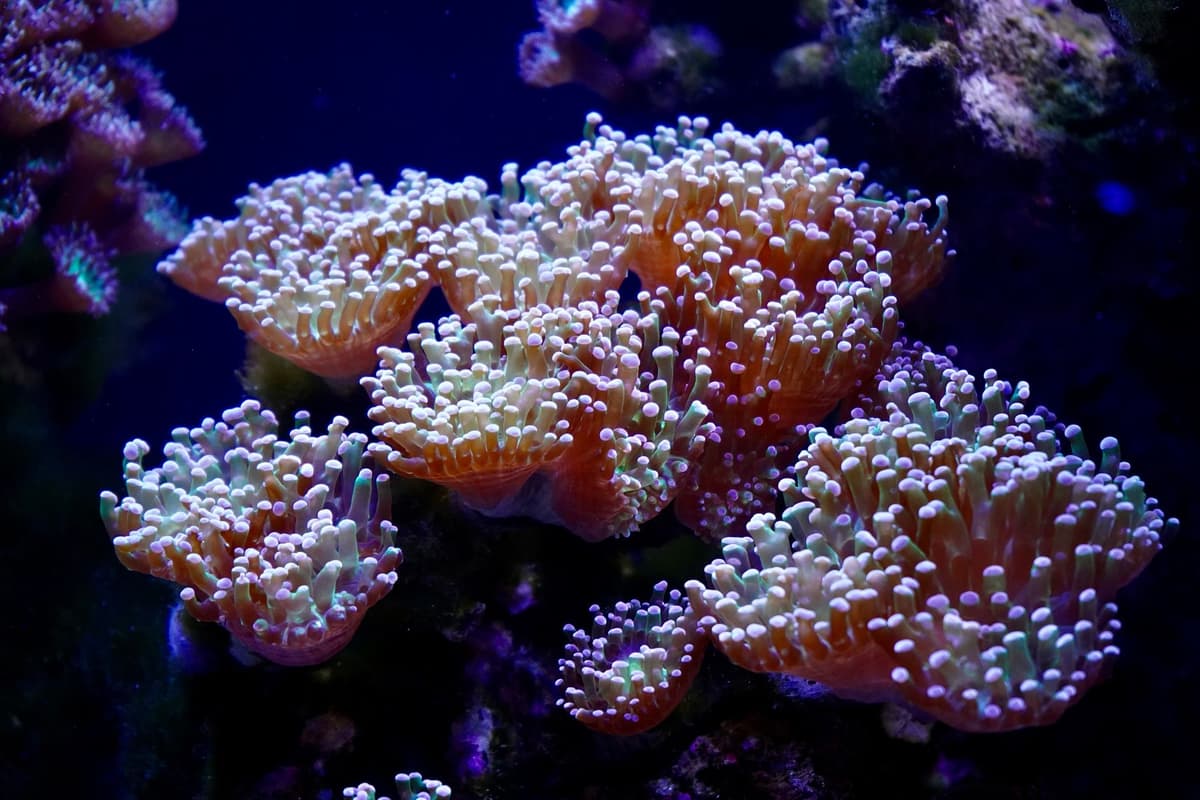
Photo by Жанна Алимкулова on Pexels
Imagine the lab meetings. You’ve got a bunch of PhDs in white coats staring at a piece of brain coral that has been thriving in what looks like liquid chocolate milk. They aren't asking how to clean the water anymore. They’re asking how to make every other reef in the world just as comfortable in the filth. We’ve given up on the 'pristine blue' aesthetic. The future of the ocean is brown, chunky, and surprisingly immortal.
This shift from preservation to migration is basically an admission that we broke the thermostat and now we’re just buying heavy-duty fans. We are looking for 'Hope Spots,' which sounds like a charity for sad puppies but is actually just a map of places where nature is currently winning a fistfight against climate change. If a reef can survive off the coast of West Africa right now, it can probably survive on the surface of the sun by 2050.
- Phase 1: Find the reefs that love the heat.
- Phase 2: Steal their secrets (and their larvae).
- Phase 3: Profit? No, mostly just avoid a total ecological collapse, which is the environmental version of profit.
The Great Migration to the Garbage Patch
We used to think the 'blueprint' for a healthy reef was a postcard from the Maldives. Clear water, sunlight, maybe a turtle named Crush floating by. That dream is dead. The new blueprint is a reef that looks like it was grown in a basement and fed exclusively on lukewarm Gatorade. These West African 'Refugia' are proving that life doesn't need a five-star resort to flourish; it just needs a high tolerance for bad vibes and murky visibility.
By identifying these genetic lifeboats, we’re essentially building a 'Greatest Hits' album of organisms that don't care about our carbon footprint. We’re moving these corals into new neighborhoods where the locals have already given up. It’s gentrification, but for the bottom of the ocean. We’re moving in the tough, gritty corals to revitalize the neighborhood and tell the bleaching reefs to pull themselves together.
There is something deeply hilarious about the fact that our best hope for the ocean is a group of corals that have been vibing in the mud while we ignored them for a century. We were so busy looking for 'perfection' that we missed the 'perseverance.' It turns out the heroes of the climate crisis aren't the pretty ones; they’re the ones who learned how to breathe through a straw in a dust storm.
What This Actually Means
This isn't just a win for the ocean; it’s a reality check for our egos. We spent decades thinking we knew exactly what 'healthy' looked like, only to realize that nature’s version of health looks a lot like a survivalist bunker. The 'Refugia' blueprint is a pivot toward pragmatism. We can’t fix the temperature overnight, so we’re betting on the organisms that already think the heat is a feature, not a bug.
It changes the goalpost from 'restoring the past' to 'engineering a weirdly resilient future.' We are no longer trying to put the toothpaste back in the tube. We’re just trying to make sure the toothpaste is heat-resistant and can grow in a swamp. It’s a bit cynical, sure, but it’s also the most hopeful thing to happen to marine biology since someone figured out that dolphins like to get high on pufferfish.
Ultimately, we’re learning that the planet has a backup plan, and that plan is 'be too gross to die.' If we can successfully harness the genetics of these West African outliers, we might actually stand a chance. It won't be the sparkling blue ocean of the 1950s, but it’ll be alive. And honestly, at this point, I’ll take a thriving mud-reef over a beautiful underwater desert any day of the week.
Quick Answers
Are these corals actually 'mutants'?
Not in the X-Men sense, though a coral with lasers would solve a lot of overfishing problems. They are just locally adapted to high heat and low clarity, making them the Navy SEALs of the cnidarian world.
Can we really just move them to other oceans?
That’s the plan, though 'just moving them' involves a lot of complex logistics and making sure we don't accidentally create an invasive species that eats Florida. It’s a delicate balance between saving the world and 'Oops, All Algae.'
Does this mean we can stop worrying about global warming?
Absolutely not. This is a life jacket, not a cruise ship. We’re still in the water; we’re just slightly less likely to drown immediately if we can get these heat-hardy corals to move in.
Why were they 'presumed dead' for so long?
Because scientists are humans and humans are snobs who didn't think anything could live in water that looks like a latte. We stopped looking because we assumed it was a lost cause, which is a great metaphor for my 20s.