The Reef That Shouldn't Exist
I’ve spent a lot of time looking at heat maps of the ocean, and usually, they look like a crime scene. We are taught that coral is the literal canary in the coal mine—fragile, sensitive, and prone to turning into skeletal white graveyards the moment the temperature ticks up a degree. Then comes this discovery in West Africa, specifically around the Gulf of Guinea, where researchers found a sprawling, vibrant reef system that seems perfectly happy in water that would bleach the Great Barrier Reef into oblivion.
It makes me wonder if we’ve been looking for resilience in all the wrong places. We usually treat 'pristine' environments as the gold standard, but maybe the real secrets are hidden in the 'tough neighborhoods.' These West African corals have spent millennia evolving in high-turbidity, fluctuating environments. They aren't fragile porcelain; they are the street-smart survivors of the marine world. If they can thrive here, what else have we underestimated about the ocean's ability to pivot?
Moving the Farm to the Front Lines
For years, the dream of 'sustainable' seafood has mostly lived in massive, high-input inland tanks. We build these expensive, energy-hungry fortresses to grow tilapia or shrimp because the open ocean is becoming too unpredictable. But this discovery shifts the entire geometry of that conversation. If we have naturally resilient 'hope spots' like this reef, we can stop trying to recreate the ocean in a concrete box and start working within the ocean’s own hardened infrastructure.
- These reefs act as natural nurseries for 'blue' foods that are already adapted to heat.
- Local fishers gain a stable, self-replenishing stock that doesn't require imported soy-based feed.
- The genetic material here is a goldmine for restoring dying reefs in other tropical zones.
I find myself fascinated by the idea of 'near-shore aquaculture' that doesn't look like a factory. Imagine a food system that functions more like a managed forest than a monoculture farm. By using these reefs as the anchor, we can cultivate shellfish and seaweed that actually clean the water while providing protein. It’s a shift from extraction to stewardship, and it’s happening because we found a patch of seafloor that refused to die.
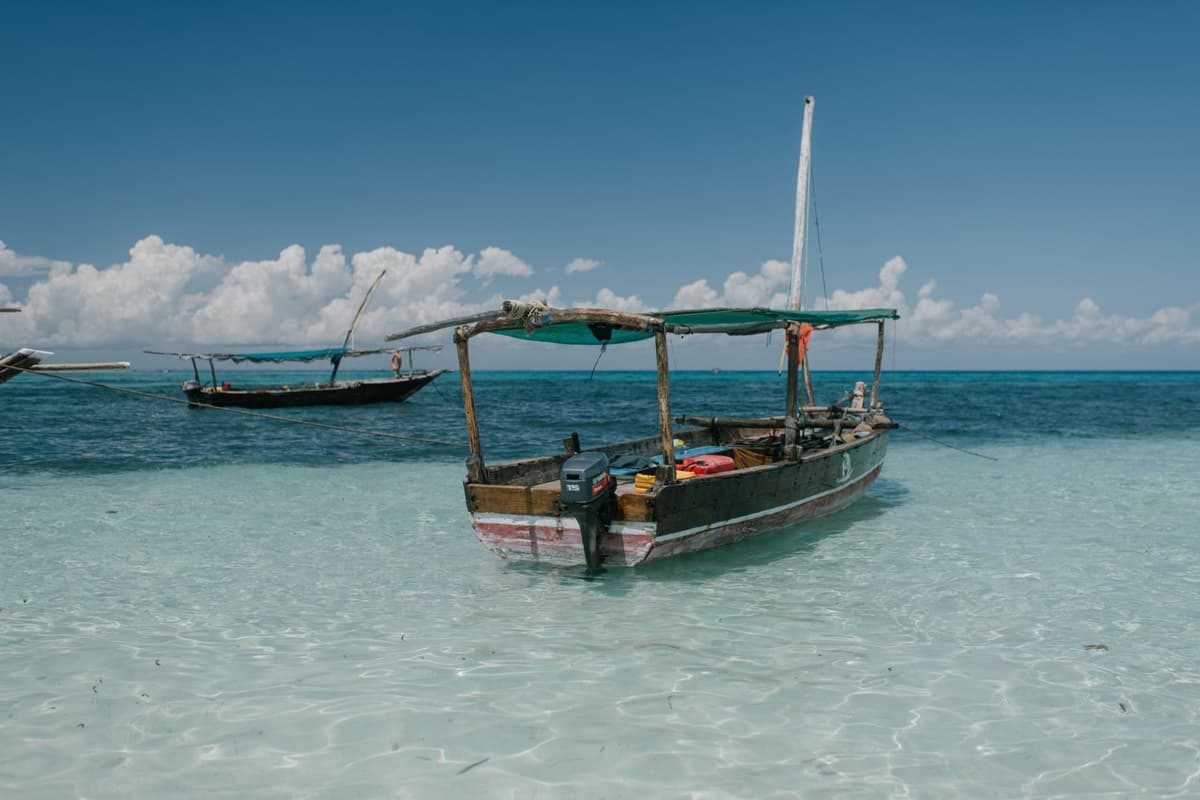
Photo by Julia Volk on Pexels
The Genetic Blueprint for a Hotter Planet
What really gets me is the $424 billion global seafood market's reliance on species that are effectively the 'pandas' of the sea—beautiful but incredibly vulnerable to change. This West African reef offers a different set of instructions. Scientists are looking at the symbiotic algae in these corals, trying to figure out how they process heat without panicking. It's like finding a tribe of plants that can grow in a volcano; you don't just admire them, you try to learn their chemistry.
If we can map the resilience of these specific corals, we could theoretically 'vaccinate' other reefs. We are talking about assisted evolution. It sounds like science fiction, but when you realize that 25% of all marine life depends on coral reefs, the stakes make any 'weird' idea worth investigating. We aren't just saving pretty colors for scuba divers; we are protecting the literal foundation of the global food chain.
I wonder how many other 'anomalies' are out there. We’ve mapped more of the surface of Mars than we have of our own ocean floor. How many other resilient pockets are tucked away in murky, overlooked coastal waters? We’ve spent so much time documenting the decline that we might be missing the evolution happening right under our keels.
What This Actually Means
This discovery is a reminder that nature isn't a static museum piece; it’s a reactive, stubborn force. The 'Blue Food' revolution has been stuck in a loop of trying to minimize damage, but these hardy reefs suggest we could actually be productive. By leaning into these naturally resilient zones, we move away from the fragile 'high-input' models and toward a system that can actually withstand a 2-degree Celsius warming scenario.
It also forces us to rethink our conservation priorities. We shouldn't just be protecting the 'pretty' reefs that are currently dying; we need to be obsessively protecting the 'ugly,' murky, tough reefs that have already figured out how to survive us. These are the genetic vaults for the next century. If we lose the West African reefs because of offshore drilling or coastal waste, we aren't just losing a habitat—we're losing the cheat codes for the future of food.
Ultimately, I'm left feeling a strange kind of optimism. The ocean is showing us that it has a backup plan. Our job isn't to build a better ocean; it's to stop getting in the way of the one that’s trying to save itself. If we can integrate these 'hope spots' into our global food strategy, we might find that the transition to sustainable eating is a lot more natural than we thought.
Quick Answers
Why is this reef different from the ones in the Caribbean or Australia?
It has evolved in much more volatile conditions, including higher temperatures and more sediment, making it naturally 'pre-adapted' to the conditions climate change is creating elsewhere.
How does a reef help with food security?
Reefs act as 'fish factories' that provide habitat and breeding grounds for a huge percentage of the fish we eat, allowing for sustainable harvesting without the need for artificial feeds or chemicals.
Can we just transplant this coral everywhere?
Not exactly, as ecosystems are complex, but we can study their genetics and the specific types of algae they host to help other reefs adapt to rising sea temperatures.