We have officially reached the golden age of accidental espionage. For six long years, while you were screaming at your TP-Link Kasa camera to please stop alerting you every time a particularly aggressive gust of wind blew past your window, that same camera was whispering your exact physical coordinates to anyone within Wi-Fi range. It was not doing this securely. It was doing this via unauthenticated, unencrypted User Datagram Protocol (UDP) packets.
To put that in normal human terms, your security device was standing on your virtual front porch with a megaphone, yelling, "I AM AT LATITUDE 37.7749, LONGITUDE -122.4194 AND THE spare key is under the fake rock!" It did this every few seconds. For seventy-two months.
The Spy Who Barks at the Mailman
Most people buy smart cameras because they want peace of mind. They want to know if the Amazon delivery driver actually dropped off the package or if the local raccoon population has organized a heist. Instead, they bought a tiny, plug-and-play MI6 agent that works for the other side.
This is not just a minor bug where your camera occasionally forgets its password. This is "accidental signals intelligence." If a foreign intelligence agency wanted to map the density of paranoid suburbanites in a specific zip code, they did not need to launch a satellite. They just needed to drive a Honda Civic down your street with a $15 Wi-Fi antenna taped to the sunroof.

Imagine buying a deadbolt for your front door, only to find out that every time you lock it, the deadbolt sends a postcard to everyone in a three-block radius confirming that you are inside, what room you are in, and that you are currently eating shredded cheese directly from the bag at 2:00 AM. That is the level of privacy we are dealing with here.
The Magic of UDP or: How to Scream Into the Void
To understand why this is so beautifully stupid, you have to understand UDP. In the networking world, TCP is the responsible adult. It sends a message, waits for a confirmation, and makes sure everything arrived safely. UDP is the chaotic younger sibling. UDP just throws data packets out the window and hopes someone catches them. It does not care who.
TP-Link's engineers apparently decided that your precise geospatial data was the perfect candidate for this "fire and forget" methodology.
- The camera boots up.
- It grabs its GPS coordinates (often pulled from your phone during setup).
- It begins shouting those coordinates into the local ether.
- It never stops.
- It never asks for ID.
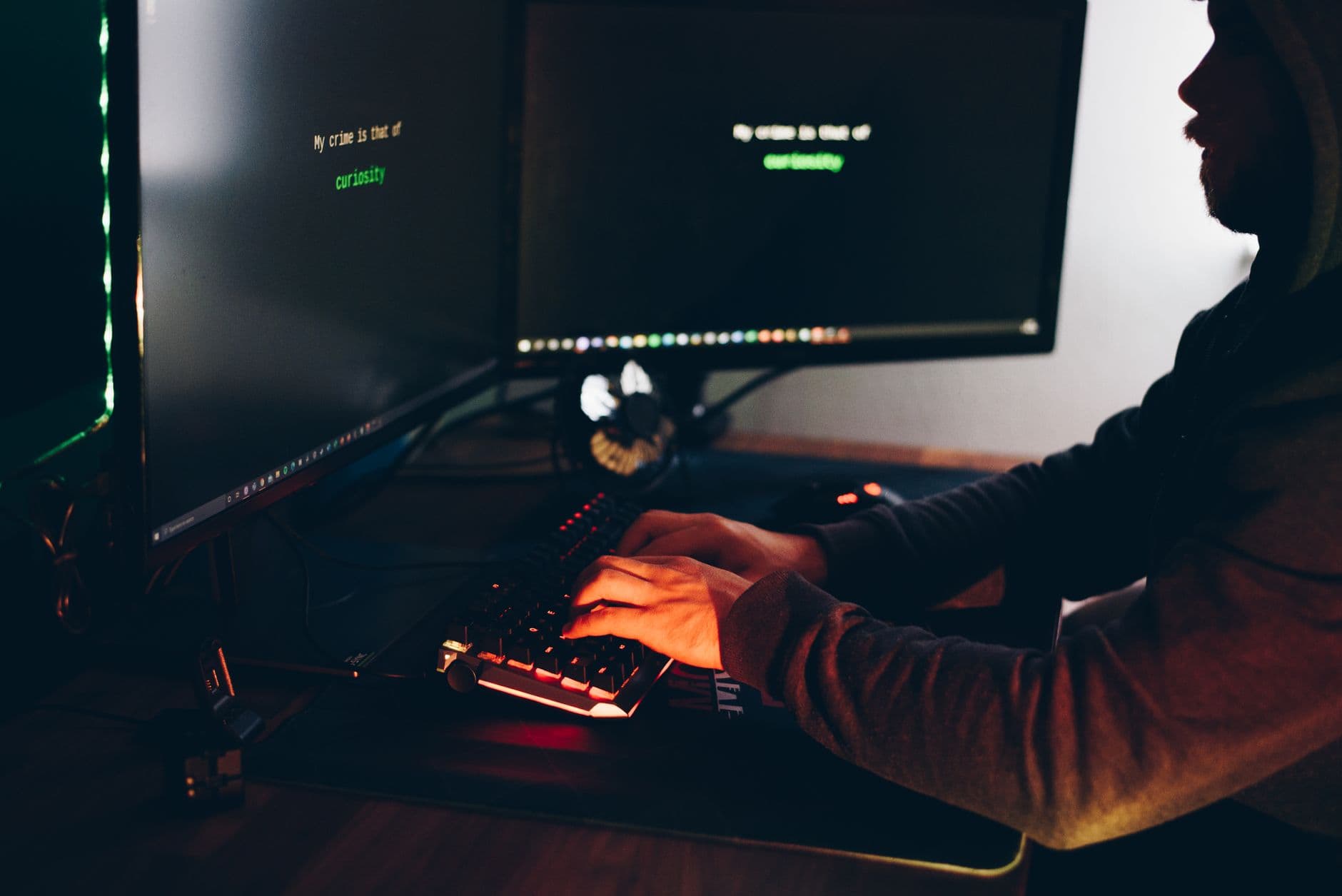
If you were a hacker, you did not need to bypass firewalls or crack 256-bit encryption. You just had to stand nearby with an open digital bucket and catch the coordinates as they rained down from the sky. It is the cybersecurity equivalent of leaving your diary on the driveway and hoping the wind does not blow the pages open.
Mapping the Living Room Fortresses
What makes this a geopolitical comedy of errors is the sheer scale of the data. We are not talking about general city-level location data. We are talking about "this camera is exactly four inches from the drywall in the master bedroom" level of precision.
If you aggregate this data over six years, you do not just get a list of addresses. You get a highly detailed, crowd-sourced map of the interior layouts of millions of homes. You can see where the living rooms are. You can map the dead zones where the Wi-Fi does not reach. You can tell exactly how far the average citizen has to run from their bed to answer the doorbell.

Photo by SHVETS production on Pexels
We have spent years worrying about sophisticated state-sponsored cyber warfare. We worry about zero-day exploits and quantum-resistant encryption. Meanwhile, the real threat was a $35 plastic pod shaped like a teardrop that was leaking national security secrets because nobody bothered to write the code that says "hey, maybe don't broadcast the latitude to the public park across the street."
What This Actually Means
This is the ultimate realization of the Internet of Things promise. We wanted smart refrigerators that order milk, and instead we got lightbulbs that require firmware updates and security cameras that moonlight as beacons for international espionage. The barrier to entry for domestic surveillance has been lowered to the cost of a value meal at McDonald's.
If you own one of these cameras, do not panic. The vulnerability has reportedly been patched in recent updates, assuming you actually connect your camera to the internet to receive those updates. If you haven't updated your camera since 2018, your living room is still technically broadcasting its coordinates to any passing squirrels with a laptop.
The real takeaway is that we need to stop treating "smart" devices like they have any actual intelligence. They are cheap sensors run by rushed software written by underpaid developers on a tight deadline. Treat them like what they are: loud, gossipy houseguests who cannot keep a secret.
Quick Answers
Did my camera actually get hacked?
Probably not individually, but it spent six years shouting your address to the neighborhood, so it definitely talked behind your back.
How do I fix this specific leak?
Update your TP-Link Kasa firmware immediately. If you haven't updated it since you bought it, your camera is currently running on ancient digital fumes.
Should I throw all my smart devices in the microwave?
While tempting and visually spectacular, a simple firmware update or putting them on an isolated guest Wi-Fi network is usually enough to muzzle them.