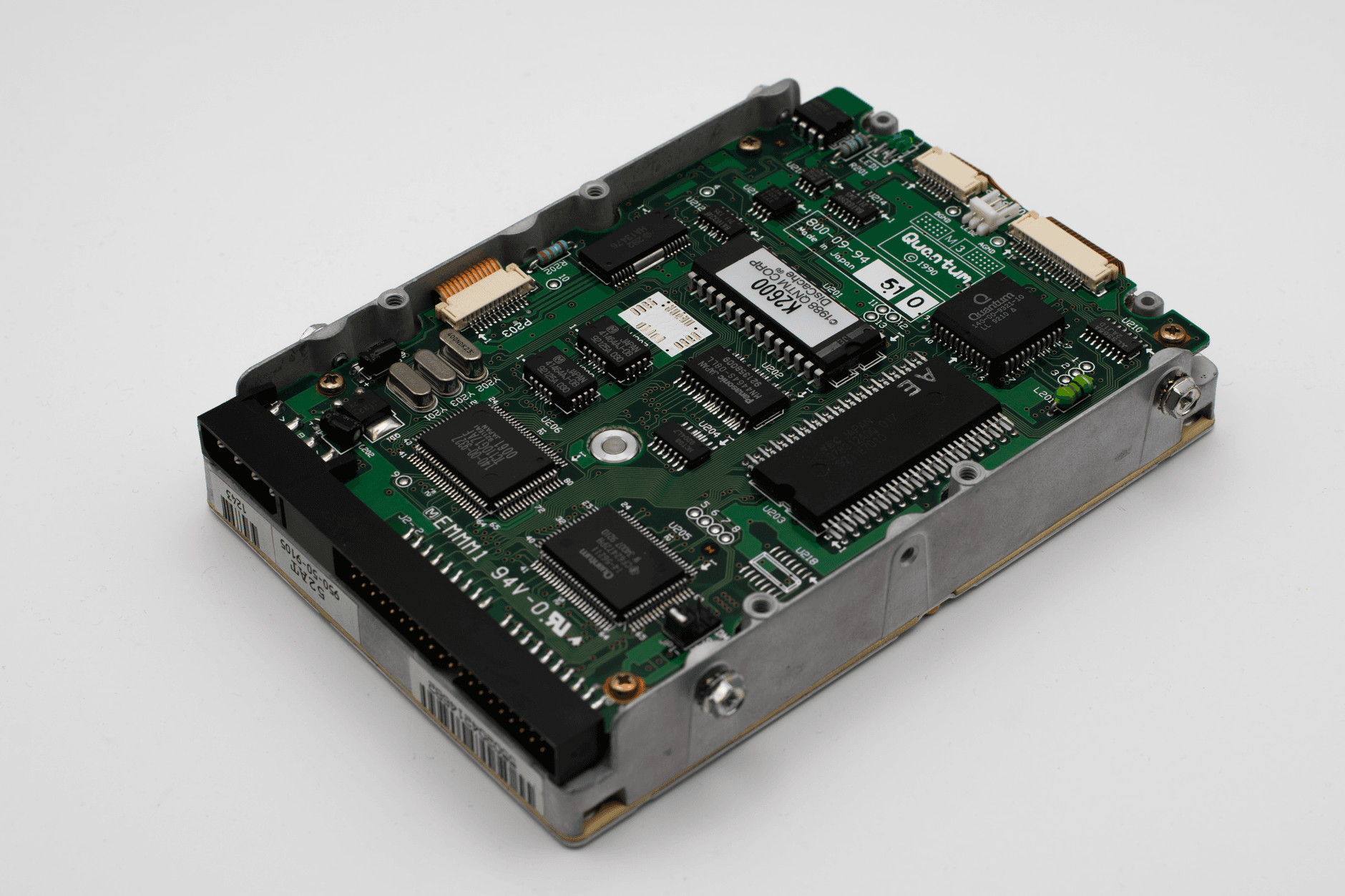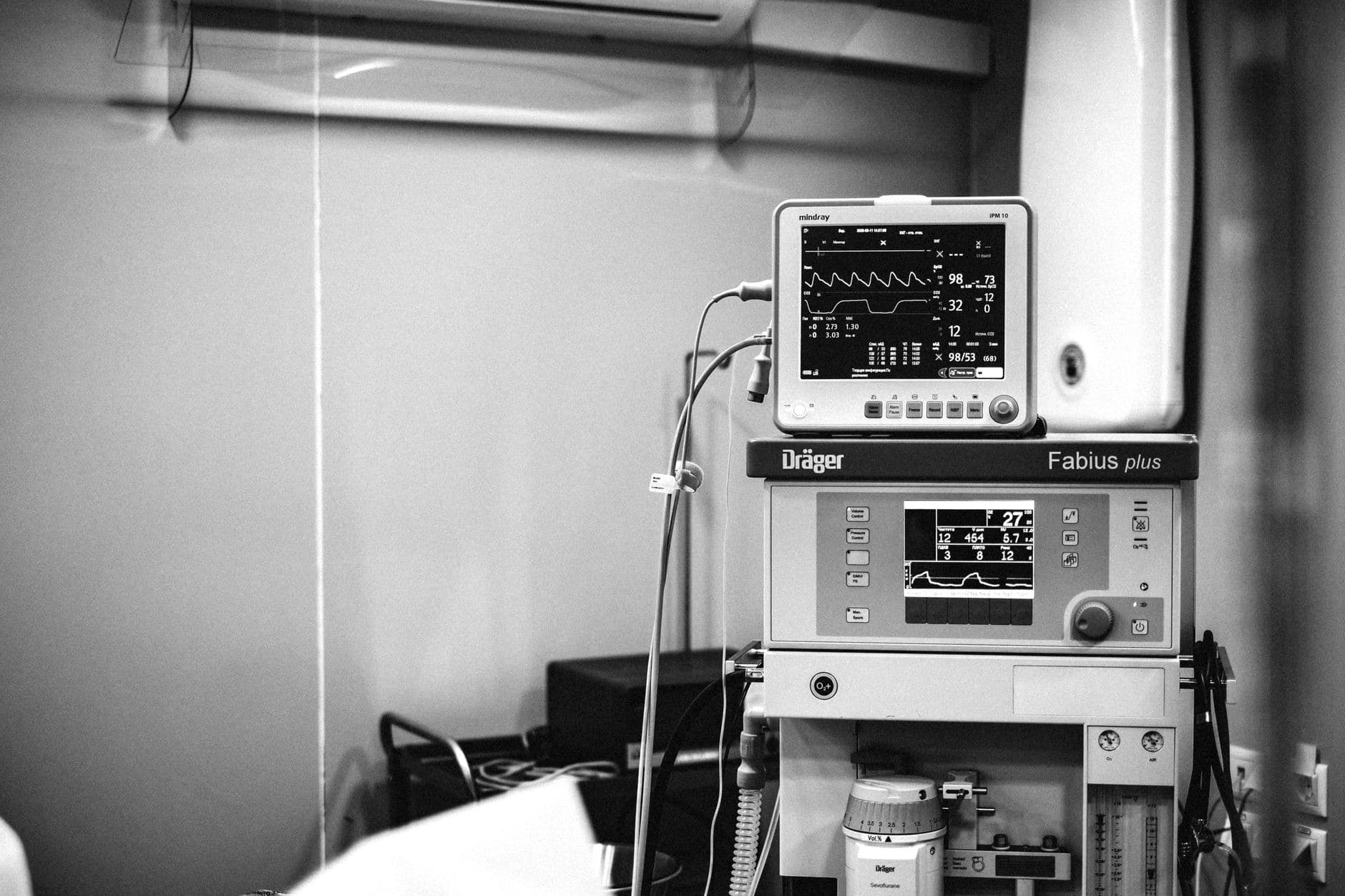
The tech industry operates on a cycle of planned obsolescence that treats a three-year-old smartphone like a museum piece. Yet, this week marks the 50th anniversary of the Zilog Z80, a processor that debuted in 1976 and refuses to die. Its survival isn't a result of nostalgia or cost-cutting; it is a deliberate choice made by engineers who prioritize human life over theoretical benchmarks. In the high-stakes world of medical hardware, the Z80’s archaic simplicity is its greatest strength.
When a device is tasked with injecting precise microliters of insulin or monitoring a cardiac rhythm for anomalies, complexity is the enemy. Modern chips, with their billions of transistors and multi-layered speculative execution, are black boxes of statistical probability. The Z80, by contrast, is entirely deterministic. We know exactly how it will behave in every conceivable state, and that certainty is the only currency that matters in an ICU.
The Lethal Cost of Complexity
Modern processors are fast because they guess. They use branch prediction to anticipate what code might run next and out-of-order execution to juggle tasks. This is brilliant for rendering video or loading a webpage, but it introduces a layer of unpredictability that is unacceptable in life-critical environments. If a processor 'hiccups' because of a cache miss or a speculative execution error, a computer might lag for a millisecond. If an insulin pump lags during a critical dosage calculation, the consequences are measured in patient outcomes, not frame rates.
Software complexity scales exponentially with hardware complexity. A modern ARM-based system-on-a-chip requires millions of lines of kernel code just to boot. Every line of that code is a potential failure point, a hidden bug waiting for the right sequence of events to trigger a disaster. The Z80 allows for 'bare-metal' programming where the developer has total control over the hardware. There are no background processes, no hidden telemetry, and no unpredictable interrupts. It does exactly what it is told, precisely when it is told to do it.
A Legacy of Hardened Silicon
We often talk about 'battle-tested' software, but the Z80 is battle-hardened hardware. Over five decades, every quirk, errata, and edge case of this architecture has been documented, analyzed, and accounted for. There are no surprises left in the Z80. In 2024, utilizing a chip that hasn't changed its fundamental logic since the Ford administration is a radical act of transparency. It allows regulators and safety auditors to verify the integrity of a medical device with a level of mathematical certainty that is impossible with modern, proprietary architectures.
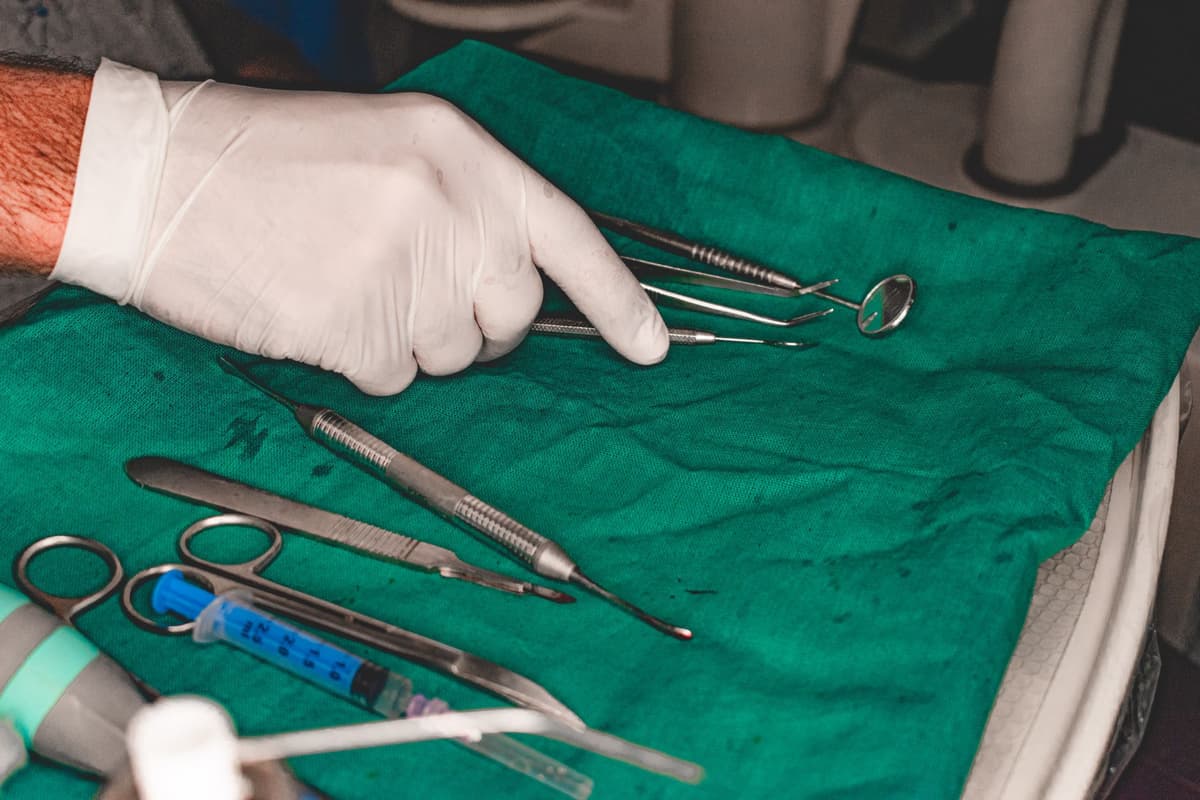
Photo by Prashant Singh on Pexels
This reliability extends to the physical manufacturing of the silicon. The Z80's relatively large trace widths make it significantly more resistant to electromagnetic interference and radiation-induced bit flips than modern 3-nanometer chips. In a hospital environment crowded with MRI machines, ventilators, and radio-frequency equipment, that physical robustness is a literal lifesaver. While your laptop might crash because a cosmic ray hit a microscopic transistor, the Z80’s 'heavy' architecture shrugs off the noise.
The Architecture of Trust
There is a profound irony in the fact that our most advanced medical breakthroughs are often tethered to technology from the era of disco and the Cold War. But this isn't a failure of innovation; it is a triumph of engineering discipline. We have reached a point where the bottleneck in medical technology isn't how fast we can process data, but how much we can trust the processor. The Z80 represents a baseline of trust that the industry has yet to replicate with more modern designs.
Designers of cardiac monitors and infusion pumps aren't looking for 'features' in the traditional sense. They are looking for a static environment. They need a chip that will be available for the next twenty years, manufactured to the same exacting standards, behaving in the exact same way. Zilog’s decision to move the classic Z80 to an 'End of Life' status for standalone chips earlier this year sent shockwaves through the industry, not because people missed their old Game Boys, but because it threatened the supply chain of verified safety.
What This Actually Means
The persistence of the Z80 teaches us that 'progress' is a multi-dimensional metric. In the consumer space, progress is measured by speed and capability. In the medical and industrial space, progress is measured by the reduction of variables. The Z80 is the ultimate reduction of variables. It is a tool that has been stripped of everything except its core utility, leaving behind a piece of silicon that is as reliable as a hammer.
As we move toward an era of AI-integrated medical devices and hyper-connected healthcare, we must resist the urge to discard these 'primitive' foundations. The impulse to put a high-powered, internet-connected processor into every medical device is a dangerous one. It introduces vulnerabilities—both digital and physical—that we are not yet equipped to handle. The Z80 reminds us that sometimes the most sophisticated solution is the one that simply works, every single time, without fail.
Engineering for safety requires the humility to recognize that newer is not always better. It requires the courage to use a 50-year-old design because it is the right tool for the job, regardless of how it looks on a marketing slide. The Z80's golden anniversary isn't just a celebration of a chip; it's a celebration of a philosophy that puts human life ahead of the tech industry’s obsession with the 'next big thing.'
Quick Answers
Why is the Z80 still used in medical devices?
Its simplicity ensures deterministic timing and total predictability, which are critical for devices like insulin pumps where timing errors can be fatal.
Isn't 50-year-old technology less secure?
In this context, its lack of internet connectivity and complex features actually makes it more secure against modern cyberattacks and 'heisenbugs' found in complex chips.
Will the Z80 ever be replaced?
It is slowly being replaced by highly specialized microcontrollers, but the transition is slow because any new chip requires years of rigorous safety certification to match the Z80's proven track record.