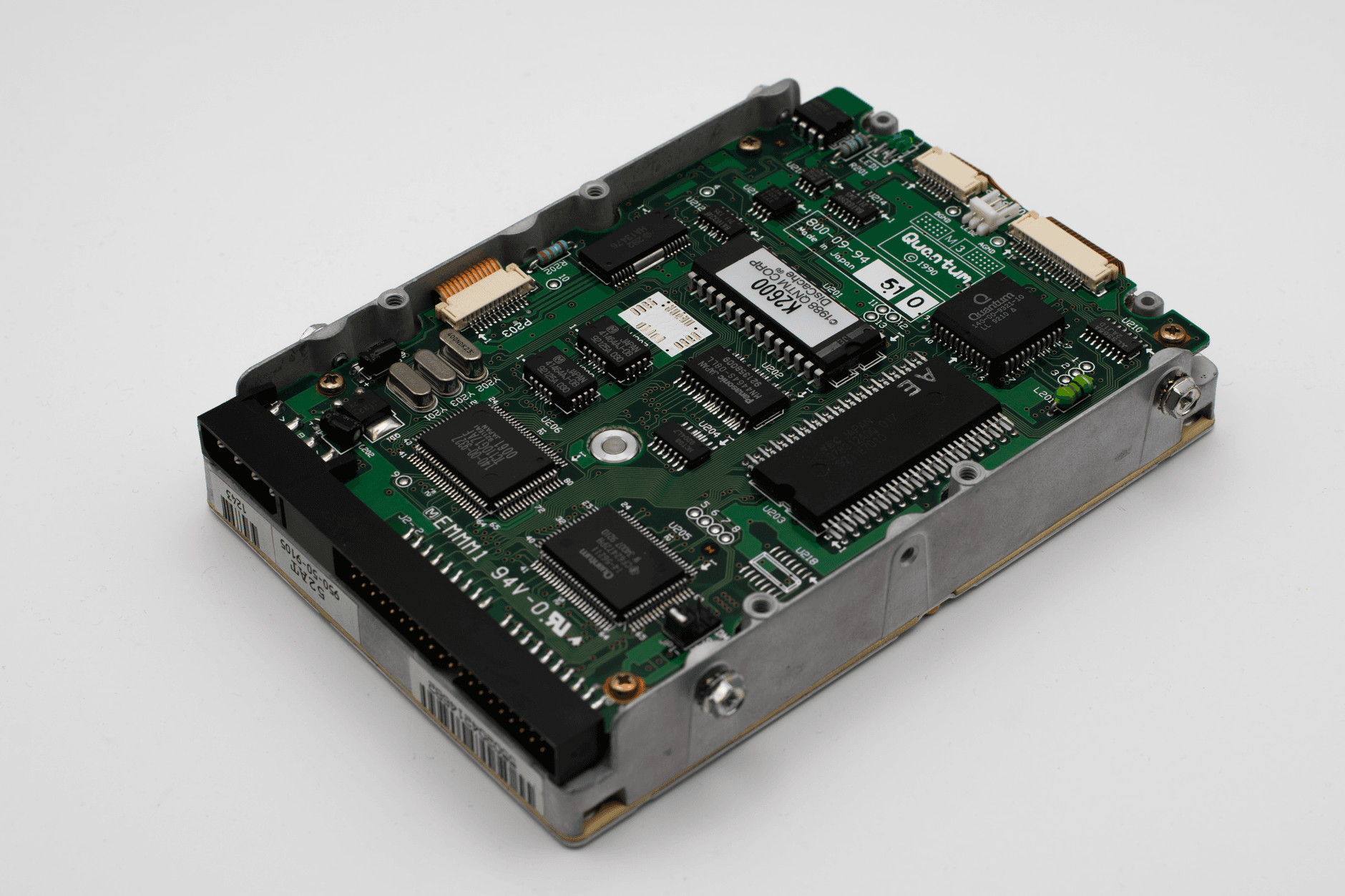
The Pinnacle of Human Achievement Cost Five Dollars
After forty years of trying to make cities 'smart' by shoving a high-powered GPU into every trash can and requiring a software update for a park bench, urban planners have stumbled upon a revolutionary concept: things should actually work. It only took us half a century to realize that the Zilog Z80, a chip designed when bell-bottoms were unironic, is infinitely more qualified to manage a municipal water table than a localized LLM running on a shaky cloud connection. We are witnessing the birth of 'Embedded Urbanism,' which is just a fancy way of saying we're tired of our infrastructure having more security vulnerabilities than a 2004 MySpace page.
There is something deeply humbling about the fact that the same silicon brain that powered the Game Boy and the TRS-80 is now being touted as the savior of the modern metropolis. While the tech industry tries to convince us that a streetlight needs to recognize your face and sell your gait data to an insurance broker, a growing group of architects is suggesting we go back to deterministic logic. You know, the kind where 'if sensor A is wet, turn on pump B' doesn't require a round-trip to a data center in Ireland. It’s a radical notion that a city should be as reliable as a 1980s calculator.
The Glory of Being Intentionally Dumb
The 'Hyper-Smart' city was always a fever dream for people who think living in a giant iPhone sounds like fun. In that version of the future, a single firmware bug or a disgruntled teenager in a basement can shut down an entire neighborhood's microgrid because the 'smart' circuit breakers decided they needed to sync with a calendar app. The Z80 doesn't care about your calendar. It doesn't have an operating system to bloat. It doesn't have a 'user experience.' It just executes instructions at 4 MHz until the sun explodes or the power cut, whichever comes first.
By embracing 'Dumb-Smart' infrastructure, we are finally admitting that the most important feature of a city is that it doesn't stop existing because of a 404 error. The Z80’s 8-bit architecture is so simple that it’s effectively un-hackable by modern standards—not because it has great security, but because there’s nothing there to hijack. You can't install ransomware on a chip that barely has enough memory to remember its own name. It’s the architectural equivalent of replacing a high-tech smart lock with a heavy iron bolt. It’s less 'innovative,' but you also don't have to reboot your door.
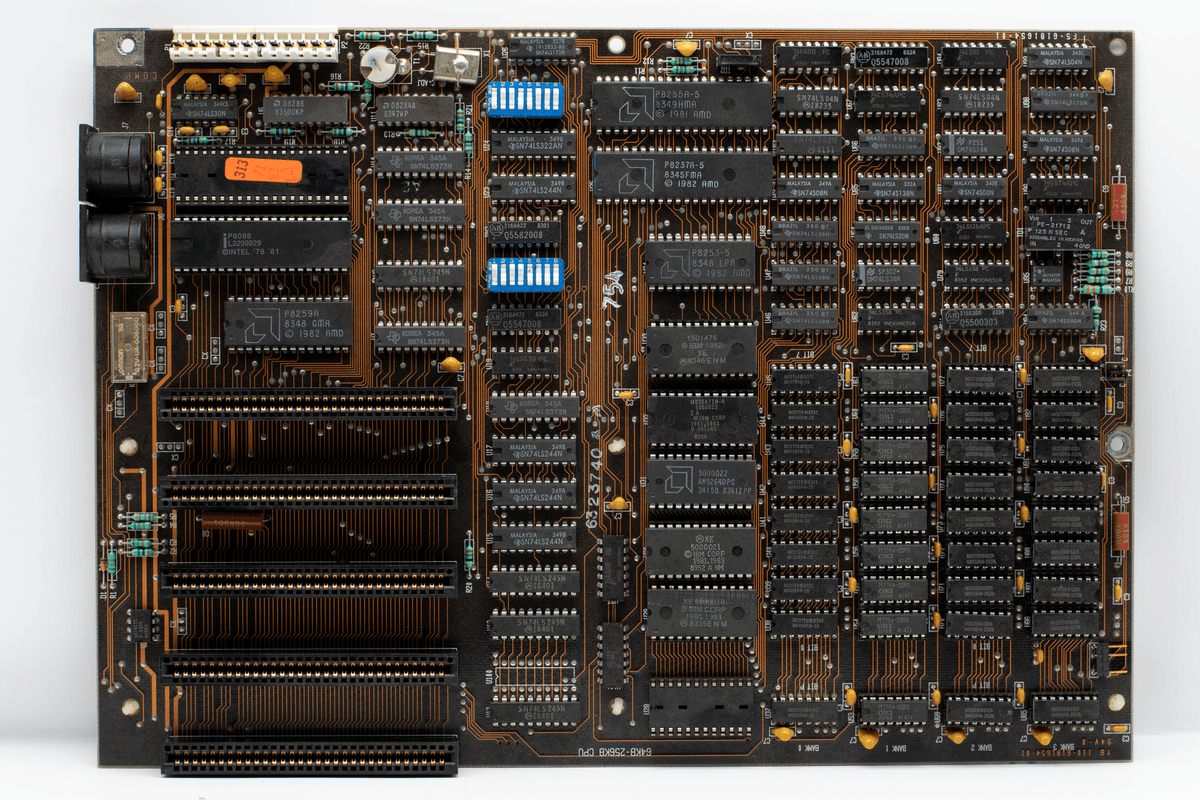
Photo by Nicolas Foster on Pexels
Obsolescence is a Choice We Keep Making
One of the most charming aspects of the modern tech stack is that it’s designed to die. A $40,000 smart-city sensor suite has the lifespan of a hamster, primarily because the company that made it will be acquired and liquidated by 2027. Meanwhile, Z80s are still chugging along in industrial equipment that was installed before I was born. Architects are finally realizing that building a city on a five-year replacement cycle is a great way to go bankrupt while living in a pile of e-waste.
- The Z80 doesn't require a subscription model to operate a water valve.
- It doesn't need a high-speed fiber connection to decide if a tank is full.
- It won't try to 'pivot' its business model halfway through its service life.
- It doesn't collect metadata on how many times you flush your toilet.
There is a specific kind of arrogance in thinking that every municipal function needs 'intelligence.' Intelligence is expensive, fickle, and prone to hallucinations. Deterministic logic, on the other hand, is boring, cheap, and remarkably consistent. If we’re going to build 'Embedded Urbanism,' we might as well build it on the bones of the silicon that actually survived the 20th century.
What This Actually Means
At its core, the pivot back to 8-bit logic is a massive, collective admission of failure. We tried to build the city of the future and realized we weren't responsible enough to own a 'connected' thermostat without getting locked out of our own living rooms. By moving toward low-power, legacy-style microcontrollers, we are prioritizing survival over shiny things. It’s the realization that a city is a life-support system, not a gadget.
This isn't just about nostalgia for the 1970s; it's about the fact that we've reached 'Peak Tech' and found it wanting. The 50th anniversary of the Z80 serves as a reminder that good engineering doesn't need to be 'disrupted.' It just needs to work. If the city of 2030 looks a lot like the industrial control room of 1984, we should probably consider that a victory for common sense.
In the end, the most sophisticated city isn't the one with the most sensors; it's the one that stays running when the internet dies. If it takes a chip from the era of disco to make that happen, then bring on the polyester. At least the water will still run when the cloud evaporates.
Quick Answers
Is this just a way for cities to save money?
Largely, yes. It turns out paying $5 for a chip that lasts 40 years is a better fiscal strategy than paying $5,000 for a sensor that breaks in three.
Can a Z80 really run a modern microgrid?
Absolutely. It doesn't take much computing power to balance a load; it just takes math, and the Z80 is very good at being a glorified calculator.
Does this mean the 'Smart City' is dead?
The version that looks like a sci-fi movie is hopefully dying. The version that looks like a reliable utility company is finally being born.