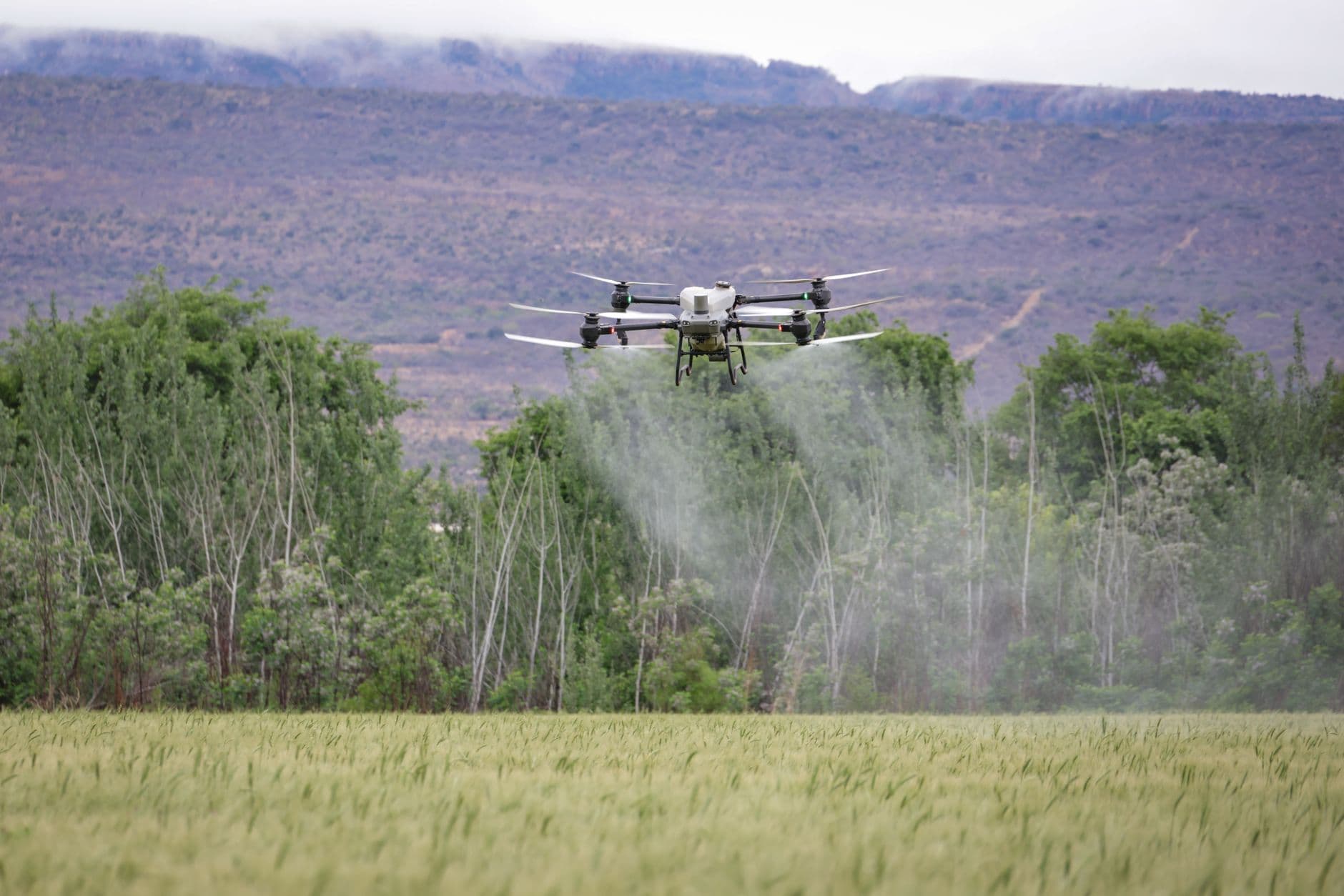
It is a truly remarkable time to be alive if you happen to be a premium, unbruised nectarine. For decades, the greatest minds in robotics looked at the humble strawberry and wept, defeated by its soft, unforgiving flesh and its refusal to grow in the shape of a perfect silicon wafer. Now, thanks to the tireless efforts of consumer electronics giant Xiaomi and their new 'Xiaomi-Robotics-1' platform, we are finally crossing the 'fine-motor threshold'—meaning we have successfully repurposed the technology used to assemble cheap smartphones to harvest delicate specialty crops.
We have spent trillions of dollars building a global supply chain capable of churning out billions of micro-actuators and high-resolution vision sensors, all so teenagers can swipe through short-form videos 0.4 seconds faster. It is only fitting that this massive industrial apparatus is now turning its attention to the orchard. After all, why solve global supply chain logistics or soil depletion when you can build a multi-million dollar machine that mimics the exact grip pressure of a slightly clumsy human teenager?
The High-Tech Tragedy of the Soft-Touch Barrier
For years, industrial automation was a brutal affair. If you were a car chassis, robots loved you. They would weld you with millimeter precision, paint you, and never complain. But if you were an heirloom tomato, entering a modern automated facility was essentially a death sentence. The robots of yesteryear possessed all the grace of a hydraulic press, turning high-value organic produce into expensive, localized salsa within milliseconds.
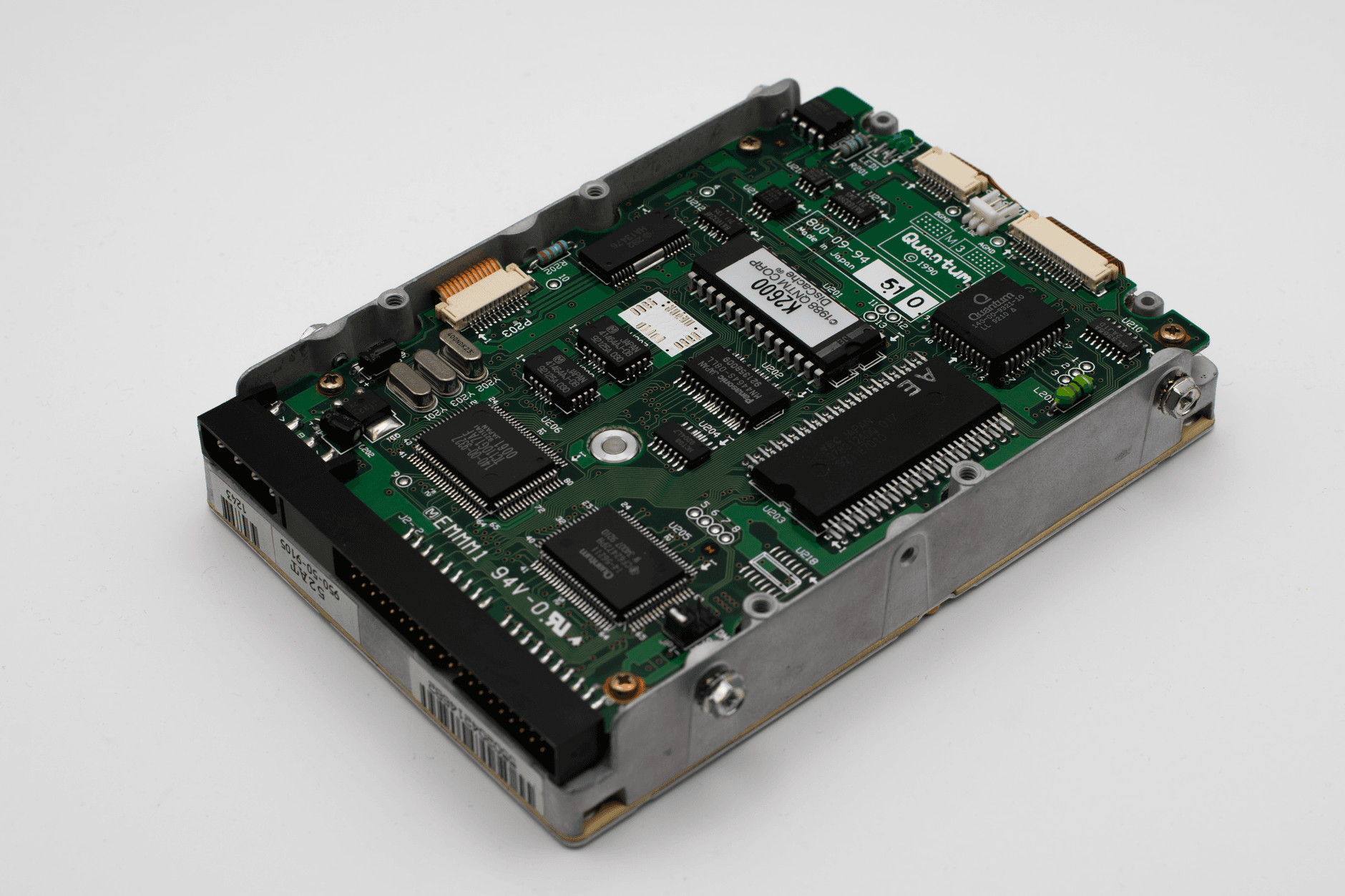
Enter the consumer electronics supply chain. Xiaomi realized that the same tiny, precise motors that make your phone vibrate with varying degrees of urgency can also be used to tell a robotic gripper, "Hey, that is a raspberry, not a lug nut." By leveraging these massive economies of scale, they have managed to drive the cost of high-precision haptic feedback down to the point where it actually makes financial sense to deploy them in a muddy field in California.
Historically, a robotic arm capable of detecting the difference between a ripe plum and a slightly firmer, unripe plum cost upwards of $150,000. It turns out that when you manufacture fifty million smartphones a year, those specialized sensors suddenly cost about $4.50. It is a beautiful triumph of capitalist efficiency: we had to overproduce useless gadgets for a decade just to make the technology cheap enough to pick our salads.
A Silicon Valley Approach to the Dirt
Naturally, this transition from the cleanroom to the compost heap is not without its charm. The Xiaomi-Robotics-1 does not just pick fruit; it analyzes it. Armed with multi-spectral vision sensors originally designed to beautify your selfies, the robot stares intensely at each individual grape, assessing its sugar content, hydration level, and general vibe before deciding whether it is worthy of being plucked.
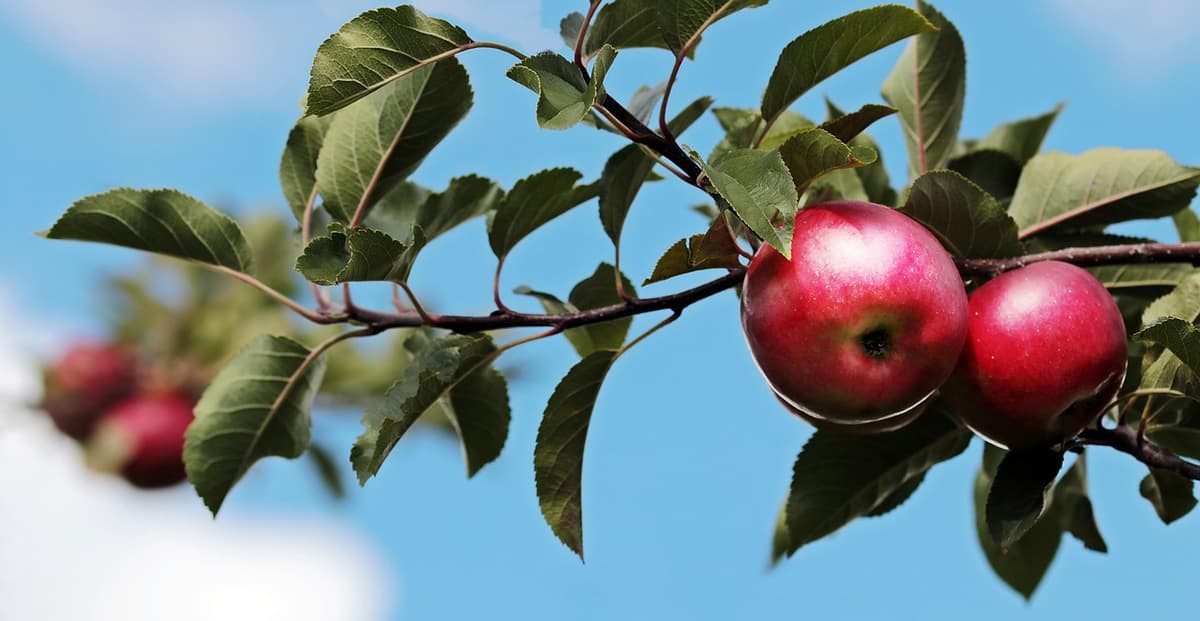
One cannot help but marvel at the sheer computational power required to replace a seasonal worker. The robot utilizes advanced neural networks trained on millions of images of fruit, executing billions of calculations per second just to perform a task that a five-year-old child can do while distracted by a butterfly. We have successfully replaced human intuition with a massive, energy-hungry server farm somewhere in the desert, all to ensure your winter blueberries arrive without a single blemish.
And let us not overlook the inevitable software ecosystem that will accompany our new mechanical farmhands. It is only a matter of time before your apple orchard requires a firmware update to patch a security vulnerability that allows hackers to remotely bruise your entire crop of Honeycrisps. We are trading the simple, predictable challenges of weather and pests for the exciting, modern thrill of software license agreements and proprietary charging dongles in the middle of a cabbage patch.
The True Triumph of Human Progress
Let us look on the bright side. The agricultural sector has long complained about labor shortages, demanding physical conditions, and the unpredictable nature of immigration policy. Now, farmers can simply bypass these complex human issues by purchasing a fleet of highly sophisticated, proprietary machines that require a team of specialized engineers from Beijing to calibrate every time it rains.
This is the ultimate promise of the fine-motor threshold. It is not about making food cheaper or more accessible—because, let's be honest, the capital depreciation on a fleet of Xiaomi harvesters is going to make that organic pear cost as much as a pair of wireless earbuds. No, it is about the aesthetic perfection of the grocery store display. We are paying for the privilege of knowing that no human hand ever touched our produce, only the sterile, silicone-tipped fingers of a device running a modified version of Android.
We have successfully elevated the humble peach to the status of a high-end consumer electronic. It is packaged, handled, and priced accordingly. One can only hope the peaches don't start demanding a subscription fee to unlock their full flavor profile.
What This Actually Means
The arrival of consumer tech giants in the agricultural sector marks the official end of agriculture as an earthy, chaotic endeavor. It is now just another branch of the hardware-as-a-service industry. By applying the brutal efficiency of the smartphone supply chain to the delicate cycle of crop harvesting, we are successfully removing the last remaining variable from our food supply: nature itself.
While it is easy to mock the absurdity of using military-grade computer vision to find a strawberry hidden behind a leaf, the economic reality is hard to ignore. When the cost of a robotic arm drops below the cost of seasonal labor, the transition is inevitable. It won't happen because it's better for the soil, or because it makes the food taste better, but simply because the machines do not take lunch breaks or ask for healthcare.
Ultimately, we are building a world where our food is grown by algorithms, harvested by repurposed phone parts, and delivered to consumers who will probably use their own phones to take photos of it before eating. It is a perfect, closed loop of technological indulgence. At least the photos will look incredible.
Quick Answers
Will these agricultural robots make my groceries cheaper?
No. While the robots leverage cheap smartphone components, the proprietary software, maintenance contracts, and initial capital expenditure ensure your organic berries will remain a luxury item.
Can these robots handle any type of weather?
Only if the weather behaves like a climate-controlled laboratory. Heavy mud, unexpected downpours, and dust storms will provide excellent opportunities for farmers to test their expensive manufacturer warranties.
What happens to the displaced seasonal farmworkers?
They will have the exciting opportunity to reskill as remote robot-triage operators, sitting in cubicles correcting the machines when they inevitably mistake a bright red tractor reflector for a giant tomato.