The High Stakes of Frame Rates
For decades, the medical community has been laboring under the delusion that specialized, proprietary hardware was the only way to keep a patient from bleeding out during a remote procedure. They spent millions on closed-circuit systems that had the user interface of a 1994 microwave. Meanwhile, the gaming industry was busy solving the only problem that actually matters: making sure a 12-year-old in Ohio doesn't experience a three-millisecond delay while virtually headshotting someone in Seoul.
Enter Vulkan Video. This isn't some high-minded medical initiative funded by a prestigious grant. It’s a cross-platform API designed to squeeze every last drop of performance out of a graphics card so that textures look slightly more 'crispy.' Now that this tech is being merged into mainstream browsers like Firefox, we’ve reached a hilarious milestone. The same software architecture used to render the sweat beads on a digital dragon is now the thin line between a successful gallbladder removal and a 'network timeout' error.
We used to think that the 'digital divide' was about access to information. It turns out the real divide was just the agonizing wait for a 4K frame to buffer. Doctors are finally getting the 'low-latency' experience they deserve, mostly because a bunch of engineers at Khronos Group decided that screen tearing was a moral failing. It’s heartening to know that the infrastructure for saving lives was built on the back of the $200 billion gaming industry’s pathological obsession with refresh rates.
Surgery via Standard Web Protocols
There is something deeply comforting about the idea of a surgeon performing a delicate robotic procedure over a standard web protocol. We are moving toward a future where 'Oops, I accidentally closed the tab' is a valid medical complication. By integrating Vulkan video decoding directly into the browser, we are essentially saying that the complex, life-saving telemetry of a remote surgical arm is no more demanding than a Twitch stream of someone playing Minecraft.
The 8K pathology streaming is particularly impressive. We can now send ultra-high-definition images of diseased tissue across the globe with zero delay. It’s a revolutionary step forward, assuming the hospital’s IT department didn’t forget to update the browser drivers. The irony is thick: we’ve spent a century advancing surgical techniques, only to realize the final boss was actually just the H.264 decoding overhead on a mid-range CPU.
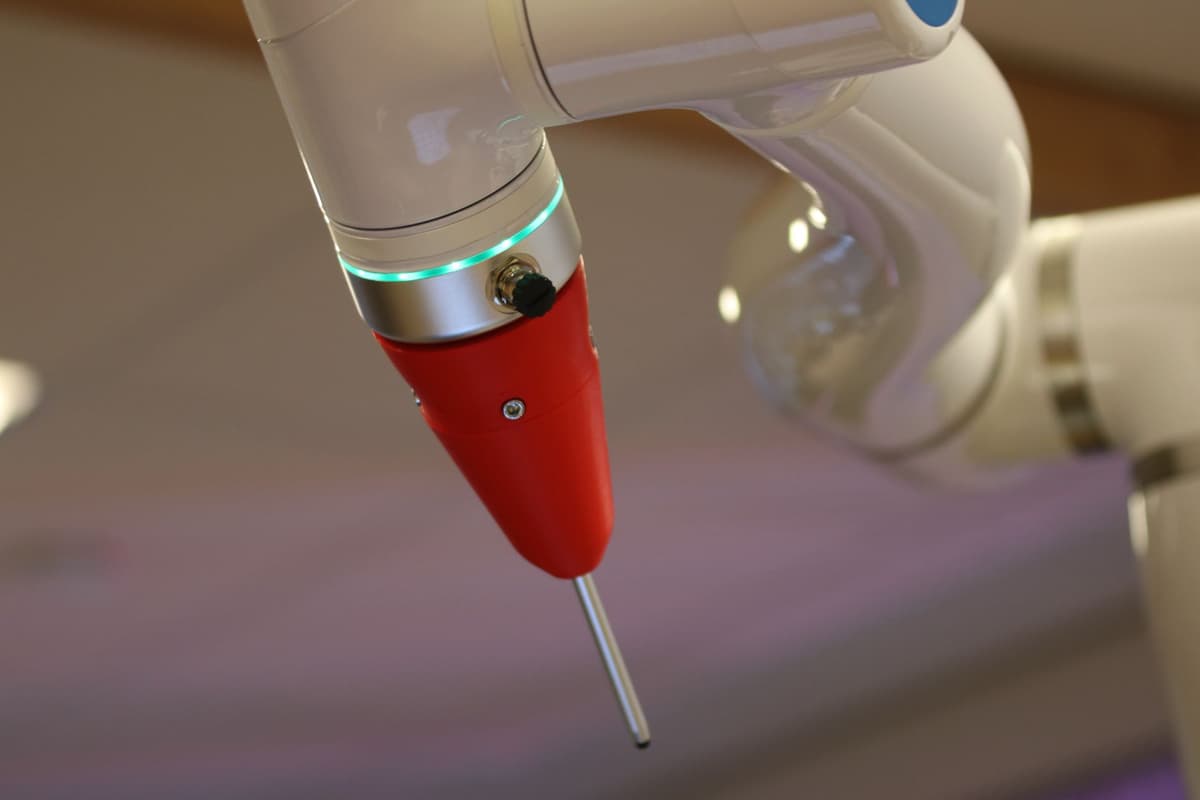
Photo by Freek Wolsink on Pexels
Think about the sheer elegance of it. We don't need a dedicated fiber line or a custom-built satellite array anymore. We just need a browser that doesn't crash when you have more than three tabs open. The 'zero-delay' diagnostic revolution is here, and it’s powered by the same code that handles the physics of a falling loot box. If you're on the operating table, you’d better hope the surgeon’s internet provider isn't having a 'maintenance window' at 2:00 PM.
The Glory of 8K Pathology
Pathologists are very excited about 8K streaming, which is understandable. It’s much easier to spot a rogue cell when it’s rendered in a resolution so high you can see the individual pixels of the universe. Previously, remote diagnostics were a bit like trying to solve a crime using a photograph taken with a potato. Now, thanks to the GPU-accelerated glory of Vulkan, the tissue samples look better on a monitor than they do under a physical microscope.
This isn't just about clarity; it's about the ego of the hardware. We’ve reached a point where the medical equipment is effectively just a high-end gaming rig with more sanitization protocols. The 'breakthrough' here isn't a new way to treat cancer; it's a more efficient way to move bits of data from Point A to Point B without the computer having a panic attack. It’s a triumph of engineering over bureaucracy, mostly because the engineers were more interested in frame times than medical ethics.
- Low latency means the surgeon moves, and the robot moves. What a concept.
- 8K resolution ensures we can see the mistake in vivid detail.
- Standard web protocols mean we can bill the patient while the video is still loading.
What This Actually Means
What this actually means is that the most critical infrastructure in modern medicine is now being maintained by people who care more about 'benchmarks' than 'biopsies.' We have successfully outsourced the technical stability of remote surgery to the same ecosystem that produced the 'RGB lighting' craze. It’s a brilliant strategy. By hitching the wagon of medical progress to the runaway horse of consumer entertainment, we ensure that hospitals will always have the fastest video decoding possible.
We are living in an era where the distinction between a 'life-saving intervention' and 'interactive media' is becoming a matter of which URL you typed into the address bar. The Vulkan integration is a victory for efficiency, but it’s also a sobering reminder that we only solve hard problems when they affect the quality of our digital toys. If gamers hadn't demanded 4K at 120fps, your remote surgeon would still be looking at a pixelated mess and guessing where your appendix is.
Ultimately, this 'revolution' is just a side effect of our collective desire to never, ever wait for anything to load. We didn't build this for the doctors. We built it for the people who think a 20ms ping is an act of violence. The fact that it helps someone survive a remote heart transplant is just a nice little bonus that we can put in the marketing materials.
Quick Answers
Is my surgeon actually going to use a web browser?
Yes, because apparently, dedicated medical software was too expensive and too slow compared to what you use to watch cat videos.
Does 8K really make a difference in pathology?
Absolutely, it allows doctors to see the exact moment they realize they should have charged more for the consultation.
What happens if the browser updates mid-surgery?
We call that a 'spontaneous clinical challenge' and hope the 'Restart and Update' button isn't feeling particularly aggressive that day.