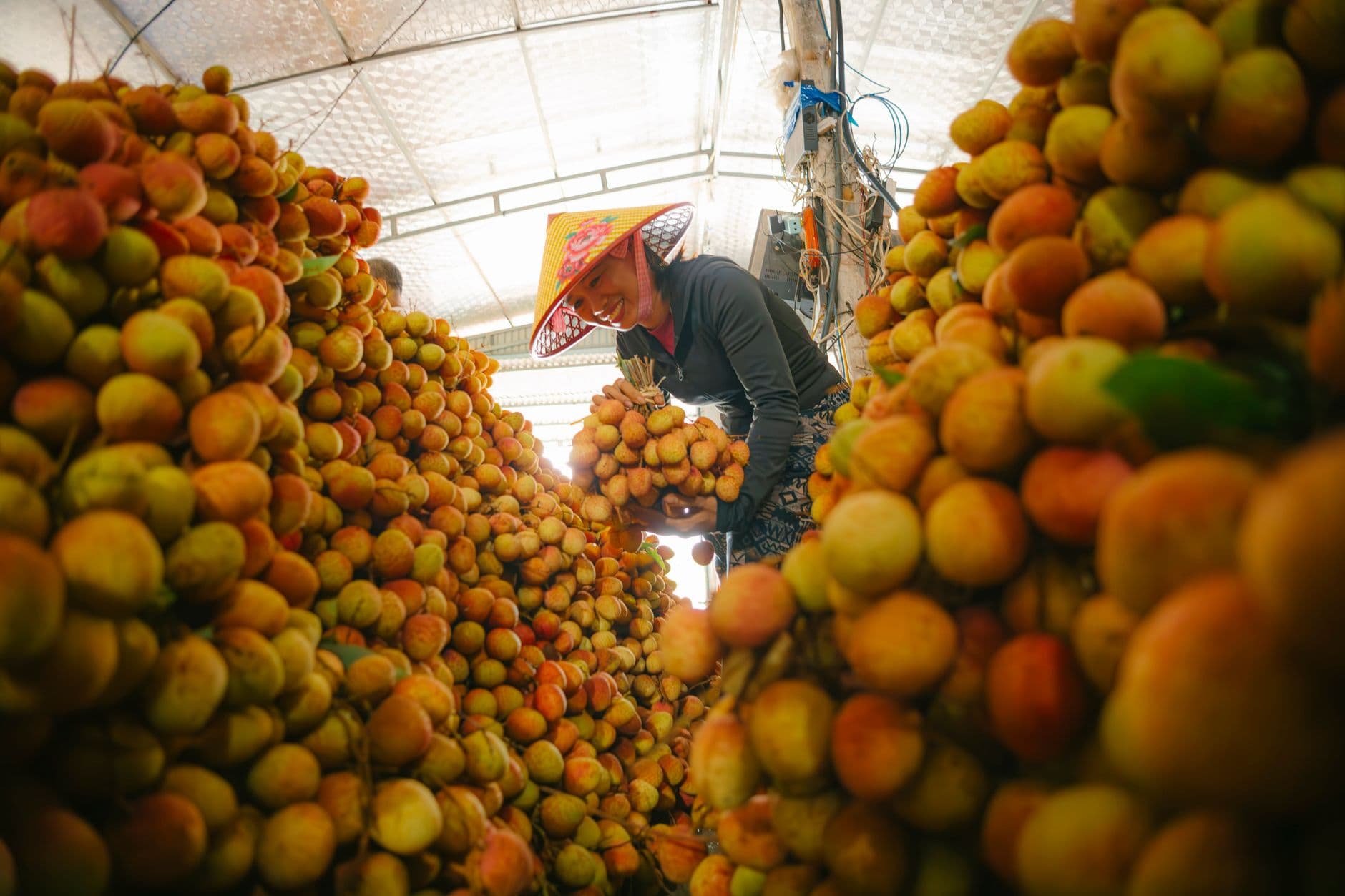
The Death of Brand Loyalty
For decades, the American grocery store functioned as a neutral gallery for national brands. Retailers provided the shelf space; companies like Nestle, PepsiCo, and Kraft Heinz provided the demand through massive marketing budgets. That era is over. Driven by a 25% cumulative increase in food prices since 2020, the American consumer has reached a breaking point. What began as a temporary flight to generic alternatives during the height of inflation has solidified into a permanent structural shift in how the country eats.
The numbers tell a story of desperation turning into strategy. In 2023, private-label sales hit a record $236 billion, growing nearly twice as fast as national brands. This isn't just about shoppers looking for a cheaper box of crackers. It is a fundamental rejection of the brand premium. When a household realizes that a $3.00 store-brand loaf of bread is indistinguishable from a $5.50 branded one, the emotional tether to the legacy brand snaps. Once that trust is broken, it rarely returns. We are witnessing the commoditization of the entire grocery store.
Vertical Integration as a Survival Tactic
Supermarkets are no longer content to be the middleman. They are moving upstream, becoming the farmers, the processors, and the packagers. By cutting out the national brand manufacturer, a retailer can capture the margin that used to go toward a CEO’s bonus or a Super Bowl commercial. This is vertical integration at a scale we haven't seen since the early 20th century. Costco’s massive $450 million poultry complex in Nebraska, which processes two million chickens a week, is the blueprint for the future.
This shift fundamentally alters the power dynamic of the food system. When a retailer owns the processing plant, they control the specifications, the labor costs, and the logistics. It allows them to insulate themselves against the price volatility of the open market. However, this consolidation comes with significant risks. As retailers become producers, they inherit the systemic vulnerabilities of industrial agriculture—disease outbreaks, crop failures, and labor disputes—without the buffer of a third-party supplier to take the hit.
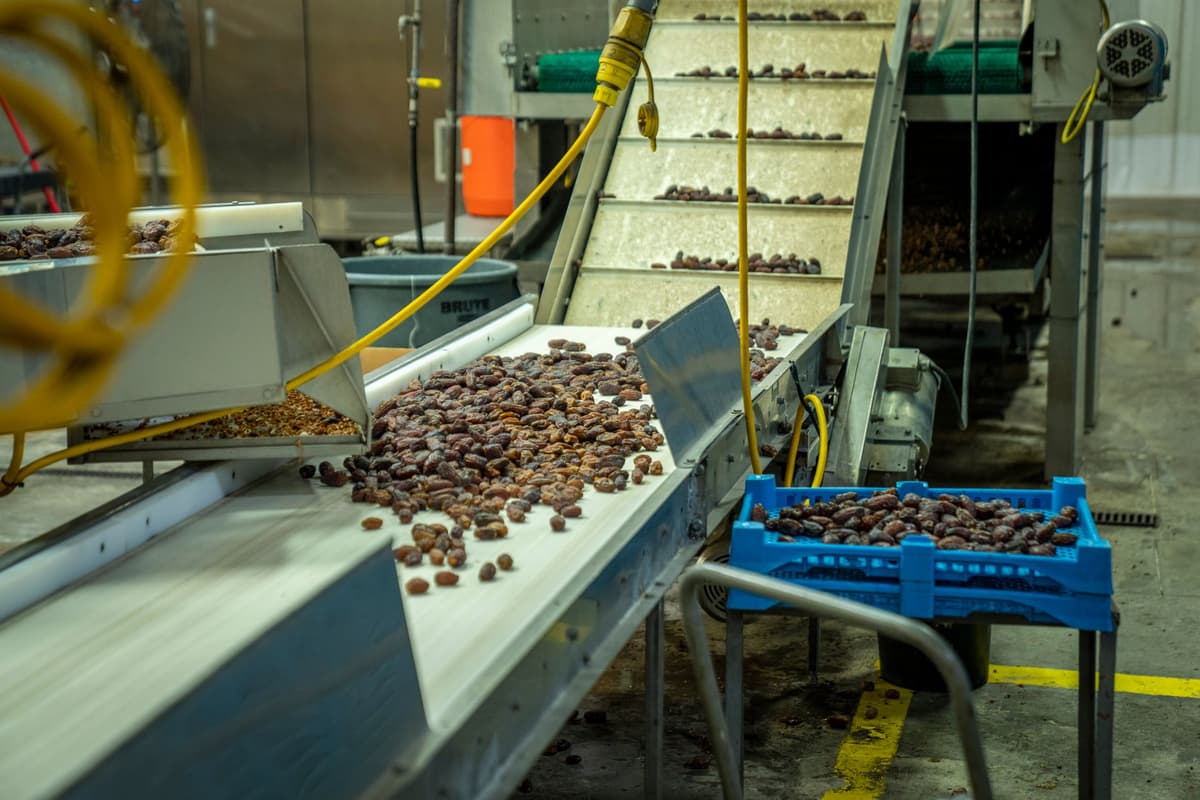
Photo by Mark Stebnicki on Pexels
The Agricultural Squeeze
This transition is putting immense pressure on the bottom of the supply chain. Small and mid-sized farmers are being forced to choose: produce for a massive retail conglomerate under strict, low-margin contracts, or find a niche that the giants haven't yet automated. The "Generic-First" pivot favors industrial-scale efficiency over variety or regional specificity. If a supermarket needs to produce ten million units of a single private-label yogurt to keep prices down, they need a supply chain that is predictable, monolithic, and cheap.
- Consolidation: Fewer, larger farms are required to meet the bulk demands of integrated retailers.
- Homogenization: Diversified crop rotations are being sacrificed for high-yield monocultures that fit precise processing specifications.
- Margin Compression: The cost savings passed to consumers often come directly out of the farmer's share of the retail dollar.
We are building a food system designed for the lowest common denominator of price. While this helps a family stay within their weekly budget, it creates a fragile infrastructure. When the goal is strictly cost-containment, the first things to be sacrificed are often sustainability initiatives and long-term soil health. The soil doesn't have a lobbyist; the consumer with a shrinking paycheck does.
What This Actually Means
The transformation of the supermarket from a retailer to a producer is an admission that the current economic model for the American middle class is failing. If the only way to keep people fed is for grocers to take over the entire means of production to shave pennies off a gallon of milk, we are looking at a society that can no longer afford the luxury of choice. The diversity of the American grocery aisle—once a symbol of capitalist abundance—is being replaced by a sterile, efficient, and highly controlled landscape of store-owned staples.
This isn't a temporary reaction to a bad economic cycle. It is the beginning of a new era of food austerity. National brands will likely survive, but they will be relegated to the status of luxury goods, purchased only by the percentage of the population unaffected by the rising cost of living. For everyone else, the generic box isn't just an alternative; it is the only viable path forward. The grocery store of the future won't be a marketplace of ideas and brands; it will be a highly optimized distribution center for the retailer’s own industrial output.
Quick Answers
Why are store brands suddenly everywhere?
Persistent inflation has forced consumers to prioritize price over brand names, leading retailers to expand their own labels to capture more profit and keep prices lower than national competitors.
Does vertical integration make food safer?
Not necessarily; while it provides better oversight of the supply chain, it also means a single point of failure in a processing plant can lead to massive, nationwide recalls across an entire retail chain.
Will national brands eventually disappear?
No, but they will lose significant shelf space and market share, increasingly becoming "premium" items while store-owned labels become the baseline for the average shopper.