The chemistry of the 7,000-foot sprint
I’ve been staring at the host city list for the 2026 World Cup, and I keep coming back to the numbers. We are asking athletes to fly from the humid, sea-level heat of Miami directly into the thin, punishing air of Mexico City, which sits at over 7,300 feet. It is a physiological nightmare that makes me wonder if we are about to witness the first major tournament decided by hematology rather than strategy. When you move that high, that fast, your body doesn't just get tired; it fundamentally changes how it processes fuel.
At those elevations, the partial pressure of oxygen drops. Your heart rate spikes just to keep your brain functional while sitting still, let alone sprinting for 90 minutes. I find myself wondering how a coach manages a substitution when every player on the bench is essentially breathing through a straw. The traditional 'show up a week early' approach to acclimation is officially dead, replaced by something much more invasive and, frankly, fascinating.
Moving beyond the mountain-man myth
For decades, the logic was simple: if you want to play at altitude, you go live on a mountain. But the emerging 'Live High, Train Low' (LHTL) protocol is flipping that on its head, and the logistics are wild. The idea is that you sleep in hypoxic chambers or high-altitude base camps to force your kidneys to produce erythropoietin (EPO), which cranks up your red blood cell count. Then, you drive down the mountain to train at sea level where you can actually maintain high-intensity output.
- It takes roughly 200 to 300 hours of hypoxic exposure to see a meaningful jump in hemoglobin mass.
- Training at high altitude actually prevents you from hitting top speeds because your lungs can't keep up with your legs.
- The 2026 teams aren't just bringing kits and balls; they are bringing portable altitude tents and nitrogen-scrubbing machines.
What interests me is the fine line between optimization and exhaustion. If a player spends too much time in 'thin' air, they stop recovering. Their sleep quality craters. Their muscles start to waste away because the body is prioritizing survival over bicep curls. It’s a delicate chemical balancing act that feels more like NASA mission control than a locker room.
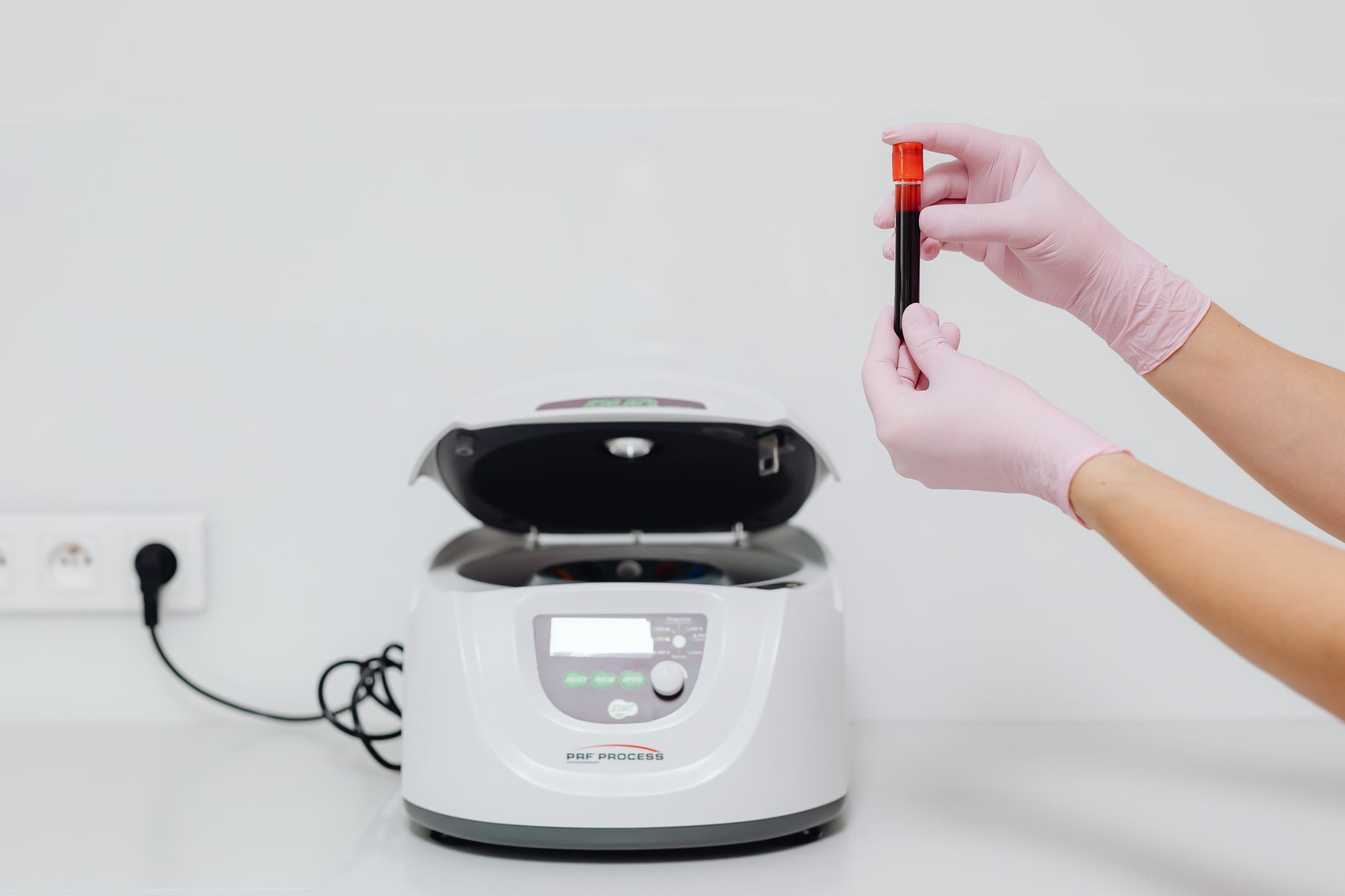
Photo by www.kaboompics.com on Pexels
The real-time tracking of human rust
We are entering the era of real-time hemoglobin monitoring, and I’m curious if fans realize how much data is being sucked out of these players. Sports scientists are now obsessed with 'hemoglobin mass'—the total volume of oxygen-carrying protein in the body—rather than just a simple blood count. They are using carbon monoxide rebreathing tests to measure this down to the gram. It’s essentially tracking how much 'rust' or 'fuel' is in the system at any given second.
During the 2026 tournament, we might see managers making tactical decisions based on a tablet showing a player's hypoxic threshold. If a midfielder's oxygen saturation hasn't recovered after a 40-yard dash, do you sub them off? We’ve always talked about 'match fitness' as this vague, grit-based concept, but now it’s becoming a literal measurement of blood chemistry. I wonder if this takes the soul out of the game, or if it just adds a new, invisible layer of competition we haven't learned how to watch yet.
What This Actually Means
Ultimately, the 2026 World Cup is going to be a proof-of-concept for the future of human performance. We are no longer just training harder; we are terraforming the internal environment of the athlete. The teams that thrive won't necessarily be the ones with the best strikers, but the ones with the best medical logistics—the ones who can move 25 players across three countries and four time zones without their blood chemistry collapsing.
It makes me wonder about the ethics of it all, too. When we start treating the human body as a series of oxygen-transport variables to be manipulated with nitrogen tents and real-time blood tracking, where does the 'sport' end and the 'bio-engineering' begin? I don't have the answer, but I'll be the one watching the sidelines in 2026, looking for the players who aren't gasping for air. They’ll be the ones whose doctors won the tournament before the first whistle even blew.
Quick Answers
Why is the 2026 World Cup specifically difficult?
It spans an entire continent with massive elevation jumps between cities like Vancouver (sea level) and Mexico City (7,300+ feet), giving players almost no time to naturally acclimate.
What is 'Live High, Train Low'?
It’s a strategy where athletes sleep in high-altitude conditions to boost red blood cells but train in oxygen-rich air to maintain their peak physical speed and power.
Will players actually get sick?
Without these new protocols, yes; acute mountain sickness can cause headaches, nausea, and extreme fatigue, which would be disastrous for a high-stakes knockout match.