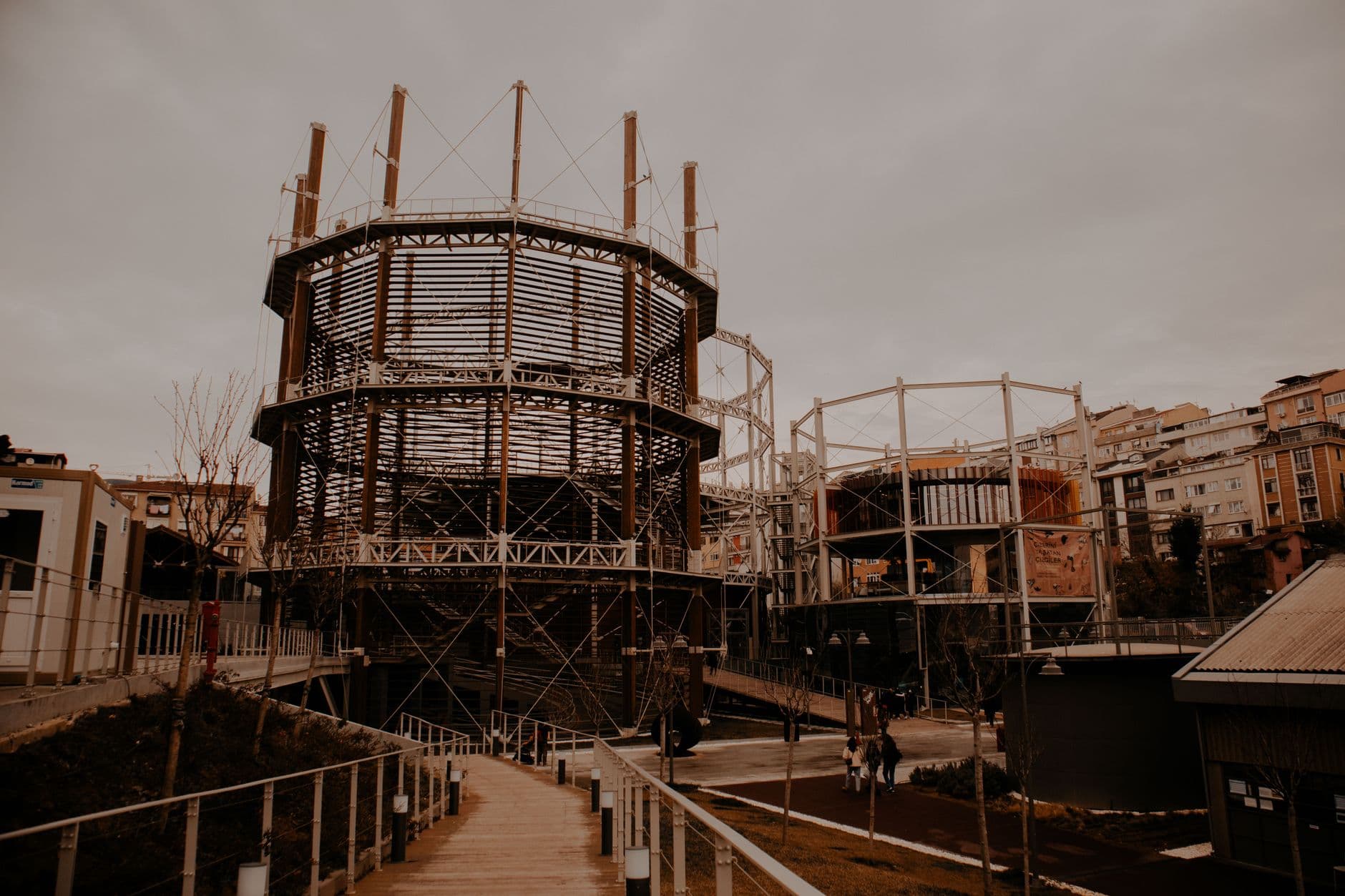
The Death of the Frictionless Future
For the last fifteen years, our collective vision of the future has looked like the inside of a sterile tech flagship store. It was all brushed aluminum, seamless glass, and blue LED strips. But looking at the early environment renders for the 2026 Odyssey, something has shifted. The production team isn't building a historical reenactment; they are building a version of the future that looks like it grew out of the side of a cliff in Ithaca. It’s what designers are starting to call 'biophilic brutalism,' and I’m fascinated by why this is hitting so hard right now.
We spent a decade trying to build cities that looked like they were floating, detached from the dirt and the heat. Now, we're seeing a return to primitive geometry—thick limestone walls, deep-set windows, and heavy, light-absorbing courtyards. It’s a design language that prioritizes thermal mass over air conditioning. I wonder if we’re finally admitting that the 'slick' future was actually just a very expensive way to live in a greenhouse.
Why Stone Feels More Modern Than Steel
There is a specific weight to the Mediterranean stonework used in the film's Ithacan palace. It feels permanent in a way that our current steel-and-glass towers don't. Modern luxury has long been defined by transparency and height, but the Odyssey production design suggests that true luxury might actually be shade and silence. The sets use 'primitive geometry'—massive lintels and unadorned pillars—that look like they could survive a thousand years of salt spray and sun.
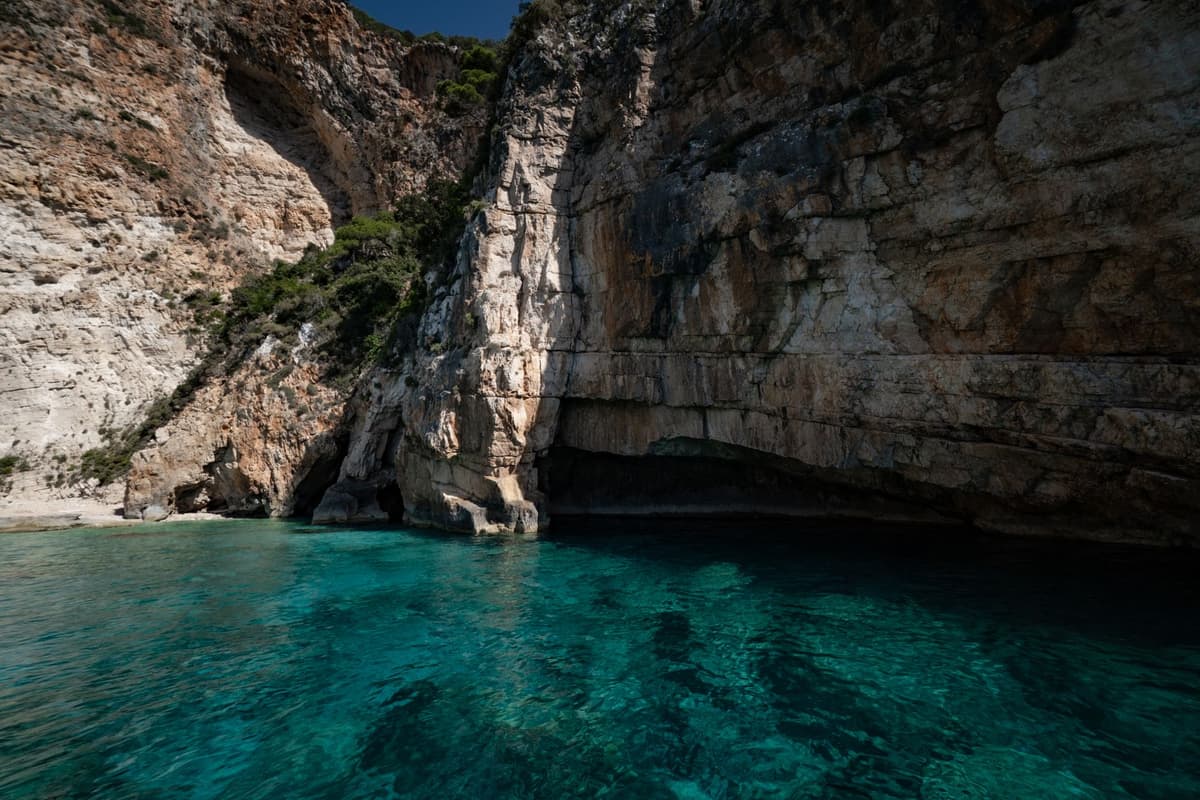
Photo by Francesco Ungaro on Pexels
Real-world coastal developments are already taking notes. In places like the $1.2 billion 'The Line' project or new luxury hubs in Greece and Mexico, the sleek edges are being replaced by textured, rammed earth and local stone. It’s a pivot toward 'ancient-future' urbanism. We are looking back at how Bronze Age civilizations managed density and heat to figure out how to build a 21st-century city that doesn't melt. Does a city need to look like a spaceship to be high-tech, or is a perfectly ventilated stone corridor the actual peak of engineering?
- Thick walls create natural cooling through thermal lag.
- Courtyards provide micro-climates that are 10 degrees cooler than the street.
- Porous materials allow for better water management during flash floods.
The Psychology of the Heavy Home
I’m curious about the emotional shift this represents. Glass represents a desire to see and be seen, a sort of constant digital transparency. Stone represents a desire for a fortress. In an era of climate volatility and digital saturation, the 'biophilic brutalist' aesthetic offers a sense of psychological safety. We want to feel the weight of the building around us. We want to know that the walls aren't just decorative panels clipped onto a steel frame.
When we look at the production design for Circe's island or the rugged urban density of the film’s version of Troy, we see spaces that feel lived-in and resilient. There is a tactile quality to the pitted surfaces and the irregular edges. It makes me wonder if we’ve reached 'peak smooth.' Maybe we’re realizing that living in a perfectly flat environment is actually quite boring for the human brain, which evolved to navigate the irregularities of the natural world.
What This Actually Means
The Odyssey (2026) isn't just a movie; it’s a mood board for the next fifty years of urban planning. We are seeing a move away from the 'global style' of anonymous skyscrapers toward an architecture of place. If you can build the same glass box in Dubai, London, and New York, does that box actually belong anywhere? The ancient-future aesthetic says that a building should look like it was carved out of the specific ground it stands on.
This shift suggests that 'sustainable luxury' is no longer about having the most gadgets; it’s about having the best relationship with the elements. We are rediscovering that the Greeks and the Romans actually knew a lot about how to live comfortably in high-density coastal environments without burning a gallon of oil every hour. The future might not look like a sci-fi movie from the 90s. It might look a lot like a palace from 1200 BCE, just with better Wi-Fi.
Ultimately, I think we're searching for a sense of permanence. In a world where everything feels digital and ephemeral, the sight of a massive stone wall is a relief. It’s a reminder that some things can, and should, last.
Quick Answers
Is biophilic brutalism actually sustainable?
Yes, primarily because it uses heavy thermal mass to regulate temperature naturally, reducing the need for massive HVAC systems that suck power. It also prioritizes local, low-carbon materials like stone and earth over imported steel.
Why is a movie setting influencing real architecture?
Cinema has always been a laboratory for 'speculative urbanism.' When a high-profile project like the 2026 Odyssey creates a convincing, beautiful world, it gives developers and architects a visual language to sell these radical ideas to the public.
Does this mean the end of glass skyscrapers?
Not entirely, but we are seeing a 'shading revolution' where glass is being tucked behind stone screens or deep overhangs. The era of the fully exposed, all-glass curtain wall is likely ending because it's an energy nightmare.