Digital ownership didn't die; it was surrendered for a convenience that has now curdled into a liability. The promise of streaming was an infinite catalog for the price of a single CD, but the reality is a fragile ecosystem of licensing disputes, disappearing tracks, and aggressive compression. We have traded the permanence of the physical object for a monthly subscription to a disappearing act.
The Technical Rot of Service Shrinkflation
In 2024, the value proposition of the major streaming platforms has fundamentally shifted from growth to extraction. Users are paying more for less. While Spotify recently increased its Premium tier to $11.99 per month, the actual delivery of that audio remains trapped in lossy, sub-CD quality formats that haven't evolved in a decade. This is digital shrinkflation in its purest form: the price goes up, but the data packet stays the same—or gets worse as server-side throttling minimizes bandwidth costs during peak hours.
For the discerning listener, this isn't just a matter of snobbery. It is a matter of technical integrity. When a platform like Max or Netflix can quietly lower the bitrate of their streams to save on infrastructure, they are altering the art you paid to consume. Music listeners are noticing that the 'high-def' badges on their apps are often marketing placeholders that don't translate to the hardware. The response is a return to the local file, where a FLAC or DSD file remains exactly what it was the day it was encoded, regardless of a corporation's quarterly earnings report.
The Architecture of the Digital Homestead
This frustration has birthed a hardware movement that mirrors the 'off-grid' energy of the physical world. Digital Homesteading is the practice of pulling your most valued assets out of the cloud and onto hardware you actually own. We are seeing a massive surge in the market for dedicated music servers—devices like the Roon Nucleus or boutique NAS (Network Attached Storage) setups—that act as a private, high-fidelity cloud. These aren't just hard drives; they are the foundation of a sovereign media library.
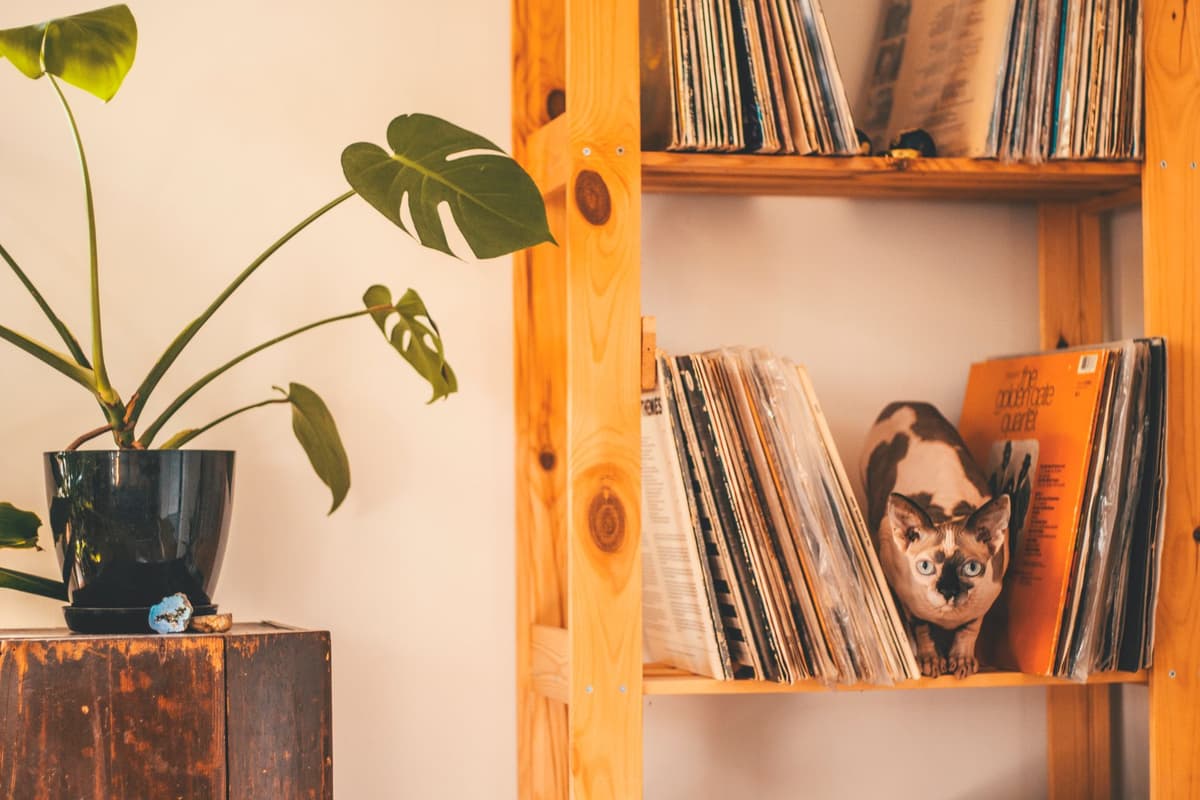
Photo by Alina Vilchenko on Pexels
Investing $2,000 in a dedicated server might seem extreme until you calculate the long-term cost of a multi-room subscription service that could vanish or change its terms tomorrow. The hardware trend extends to the pocket as well. The resurgence of the Digital Audio Player (DAP) from brands like FiiO and Astell&Kern proves that people want to decouple their art from their communication devices. A smartphone is a distraction engine; a DAP is a sanctuary. By carrying a dedicated device with its own DAC and local storage, the listener reclaims the tactile intentionality of the pre-streaming era.
The Sovereignty of the Offline File
There is a profound psychological shift that occurs when you move from 'accessing' music to 'possessing' it. Piracy in the early 2000s wasn't just about avoiding a $15 price tag; it was about the curation of a personal identity through a digital collection. You tagged your files, you managed the metadata, and you knew that as long as your drive spun, the music existed. Streaming has turned us into passive recipients of an algorithm's whim. We no longer choose what we hear; we choose a mood and hope the service delivers something acceptable.
Local media libraries restore the 'lost joy' of the hunt and the catalog. When you own the file, you are immune to the 'rights-holder' disputes that see entire discographies wiped from services overnight. On December 31, 2023, thousands of Discovery movies disappeared from PlayStation libraries despite users having 'bought' them. This was a wake-up call. The only way to ensure a piece of media remains in your life for twenty years is to have the bits stored on a platter or a flash chip in your own home.
- Local storage eliminates the 'negotiation' between your ISP and your ears.
- Metadata remains consistent and curated by the owner, not a third-party database.
- Offline listening is the only true protection against the inevitable 'service sunset.'
What This Actually Means
The move toward local media servers is the first significant counter-culture movement of the 2020s. It is a rejection of 'Everything-as-a-Service' and a recognition that digital goods have become too ephemeral to be trusted. We are witnessing the end of the 'rental era' for the power user. While the general public may continue to tolerate the thinning quality of mass-market streams, the most engaged consumers are building fortresses around their culture.
This isn't about nostalgia. It is about a calculated investment in quality and longevity. By moving to local servers and high-end DAPs, listeners are ensuring that their relationship with music is no longer mediated by a company that views them as a data point to be optimized. The digital homestead is more than a gadget trend; it is a declaration of independence from the cloud.
If you want to keep what you love, you have to hold it in your hands—or at least on your own server.
Quick Answers
Is local storage more expensive than streaming?
Initially, yes, because of the hardware costs and the price of purchasing individual albums or high-res files. However, it eliminates recurring subscription fees and the risk of losing access to your library entirely.
What is the main benefit of a DAP over a smartphone?
Digital Audio Players feature superior internal components designed solely for sound reproduction, offer expandable storage for massive libraries, and provide a distraction-free environment without notifications or interruptions.
Is this just for audiophiles?
No. While audio quality is a major factor, the primary driver is data sovereignty—the desire to own your media and ensure it cannot be altered or removed by a service provider.