The Ultimate Himalayan Hunger Games
Most people's commitment to the environment ends at remembering which bin the yogurt cup goes in. Sonam Wangchuk, however, decided that the best way to save the glaciers of Ladakh was to stop eating entirely for three weeks in sub-zero temperatures. It is the ultimate 'checkmate' in the world of activism. You can ignore a tweet, you can ignore a protest march, but it is physically uncomfortable to ignore a genius engineer slowly turning into a human popsicle on a pile of rocks because he wants constitutional protections for his backyard.
Wangchuk isn't just some guy with a sign; he’s the real-life inspiration for the movie 3 Idiots, which means he’s officially the smartest person currently sitting in a tent. While we are all down here arguing about whether paper straws taste like wet cardboard, he is pointing at the Himalayan glaciers—the world’s 'Third Pole'—and reminding us that they provide water for about two billion people. If those melt, we aren't just losing a nice hiking spot; we’re losing the giant water cooler that keeps half of Asia from becoming a literal dust bowl.
Why Your Solar Panel Isn't Enough
We love a good tech fix. We want a magic vacuum that sucks CO2 out of the sky or a Tesla that runs on good vibes and oat milk. Wangchuk is pitching something much more terrifying to bureaucrats: the Sixth Schedule of the Indian Constitution. This is basically the 'Do Not Touch' sign for indigenous lands. He wants Ladakh to have the power to say 'no' to massive industrial projects that would turn a fragile ecosystem into a parking lot for mining equipment.
Imagine you live in a house made of antique glass, and a guy shows up with a sledgehammer saying he wants to install a state-of-the-art HVAC system. That is what industrializing Ladakh looks like. The glaciers are already receding at an alarming rate—some losing up to 30 meters a year since 2001. Adding heavy industry and a fleet of diesel trucks to that equation is like trying to fix a sunburn with a blowtorch. It’s technically an intervention, but it’s not the one you want.
Sovereignty as a Shield
This movement is pioneering 'sovereign environmentalism,' which is a fancy way of saying the people who actually live there should be the ones holding the remote control. For years, the Himalayan region has been treated like a strategic chessboard or a resource pantry. Wangchuk is arguing that the only way to keep the ice from vanishing is to let the local communities—who have lived there for centuries without accidentally boiling the planet—call the shots.
It’s a bold strategy. Usually, when a government hears 'indigenous land rights,' they react like a teenager being told to clean their room. They suddenly become very busy looking at anything else. But when a guy is literally starving himself at 3,500 meters above sea level, it creates a bit of a PR pickle. You can't exactly send a 'thoughts and prayers' email to someone who is currently proving they have more willpower in their pinky finger than most politicians have in their entire career.
The Third Pole is Leaking
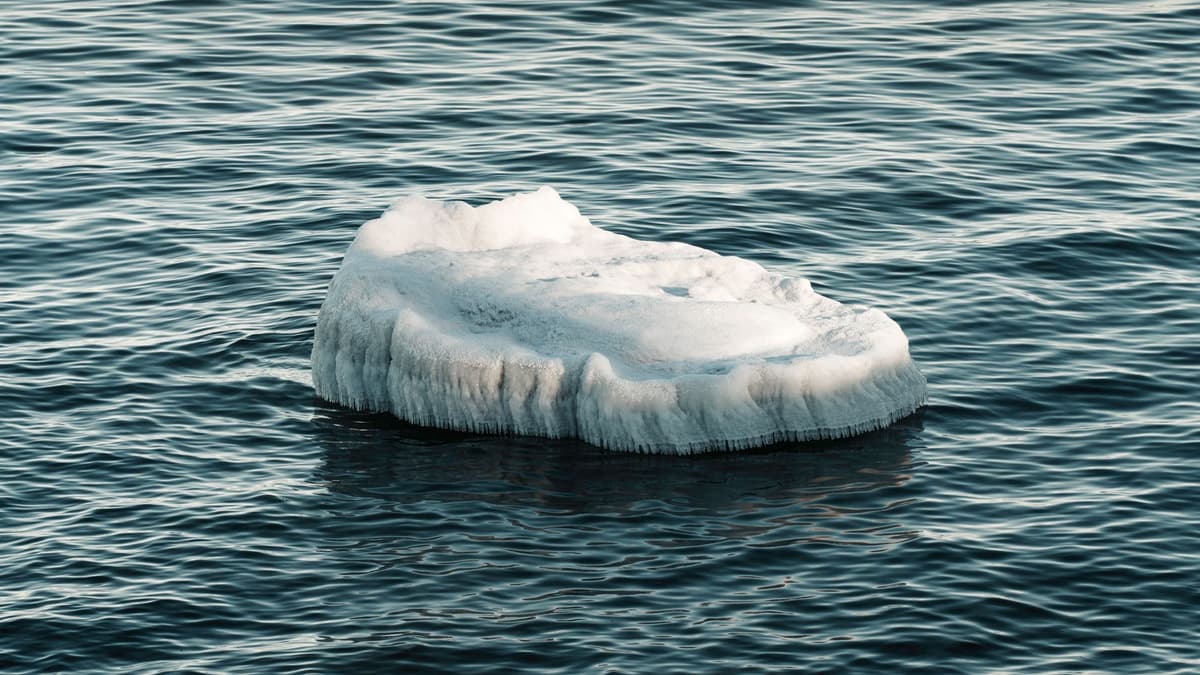
If the Himalayas were a celebrity, they’d be the one who does all the work but gets zero credit. They hold more ice than anywhere outside the Arctic and Antarctic. When that ice melts, it doesn't just disappear into the ether; it floods everything first, then leaves everyone thirsty later. It’s a very poor long-term business model. Wangchuk’s protest is basically a giant 'Out of Order' sign placed on the most important plumbing system on Earth.
There is something inherently funny about the fact that it takes a man refusing to eat dal to get people to notice that the mountains are literally liquefying. We live in an era where we can track a pizza to our door in real-time, but we struggle to track the fact that our primary water source is turning into a puddle. Wangchuk is the human notification bell we keep trying to swipe away, but he just keeps popping back up with more salt water and more resolve.
Photo by Katie Schankula on Pexels
What This Actually Means
At its core, Wangchuk’s hunger strike is a masterclass in making the invisible visible. Climate change is usually too big and too slow for our lizard brains to handle. We see a graph and we want to take a nap. We see a man in a thick wool coat shivering for the right to protect his land, and suddenly the 'glacial melt' feels a lot more personal. He’s turned environmentalism into a test of endurance, and he’s winning.
This isn't just about Ladakh; it’s a blueprint for how indigenous groups everywhere are going to have to fight. If you want to save the trees, or the water, or the ice, you have to own the legal right to the ground they stand on. Otherwise, you’re just a tenant complaining to a landlord who is already planning to turn your apartment into a luxury landfill. Wangchuk is trying to buy the building.
Ultimately, if a man can go 21 days without food to protect a glacier, the least we can do is pay attention. He’s proving that the most powerful tool in the climate fight isn't a new battery or a carbon tax—it’s just a very, very stubborn human being who refuses to go away until the mountains are safe. It’s heroic, it’s exhausting, and honestly, it’s the most Himalayan thing I’ve ever heard.
Quick Answers
Is he really not eating anything?
Yes, it was a 21-day climate fast on water and salt, which is basically the worst juice cleanse in human history.
Why does Ladakh need the Sixth Schedule?
It grants autonomy to tribal areas, allowing them to make their own laws on land and water instead of letting outsiders turn the place into an industrial park.
How bad is the melting really?
Pretty bad—some researchers estimate that two-thirds of Himalayan glaciers could disappear by 2100 if we keep treating the atmosphere like a trash can.
Did the protest work?
It galvanized thousands of people in Ladakh and drew global eyes, proving that being hungry and loud is still one of the best ways to get a meeting with the boss.