The Accidental Infrastructure of the Failed Print
There is something deeply poetic about a plastic bird’s nest of PLA filament, a failed attempt at printing a Baby Yoda, becoming the biological filter for a koi pond. For years, the maker movement has had a dirty secret: we produce a staggering amount of high-performance thermoplastic waste that your local blue bin won't touch. Most municipal recycling centers see a handful of PETG supports and think 'contaminant,' not 'resource.' Yet, in the niche corners of the internet, people are starting to realize that the very properties that make this waste a nuisance—its durability, high surface area, and chemical stability—make it an elite substrate for nitrifying bacteria.
I find myself wondering if we’ve been looking at the 'circular economy' through a lens that is far too industrial and not nearly tactile enough. We keep waiting for a billion-dollar plant to solve the plastic crisis when the solution might be sitting in a garage in a suburb of Ohio. When you take a failed 3D print and toss it into a bio-filter, you aren't just hiding trash; you are creating a 'Circular Hatchery' where the byproduct of a digital design becomes the physical lungs of an aquatic ecosystem.
Why Geometry Beats Chemistry in the Pond
To understand why this works, you have to look at the math of a fish’s breath. A standard koi pond or a small-scale tilapia farm lives or dies by its surface area. You need places for 'good' bacteria to live so they can process ammonia into nitrates. Usually, hobbyists buy expensive, injection-molded plastic beads for this. But a 3D printer’s failed 'infill'—that honeycomb structure inside a print—has a surface area-to-volume ratio that would make an industrial engineer weep with joy.
Photo by Elena Raklionskaya on Pexels
It makes me think about the 2023 estimates suggesting that the 3D printing filament market will hit $10 billion by 2030. If even 10% of that is waste, we are talking about a massive, distributed supply of high-tech material. By upcycling this scrap into 'aquatic mosaics'—functional, interlocking filter blocks—urban farmers are bypassing the traditional supply chain entirely. They are building infrastructure out of the mistakes of the local manufacturing economy. It’s a glitch in the system that actually produces food.
The Micro-Circular Blueprint
What happens when we scale this curiosity? If a neighborhood has ten 3D printers, it essentially has a localized factory for agricultural components. We’ve spent decades thinking that 'agriculture' means a thousand acres of corn, but the 'Circular Hatchery' model suggests it might actually look like a series of interconnected backyard tanks powered by the scrap of the digital age. This is micro-circularity: a loop so small you can see both ends from your porch.
- Local makers provide the 'waste' substrate.
- Urban farmers use that substrate to grow tilapia or koi.
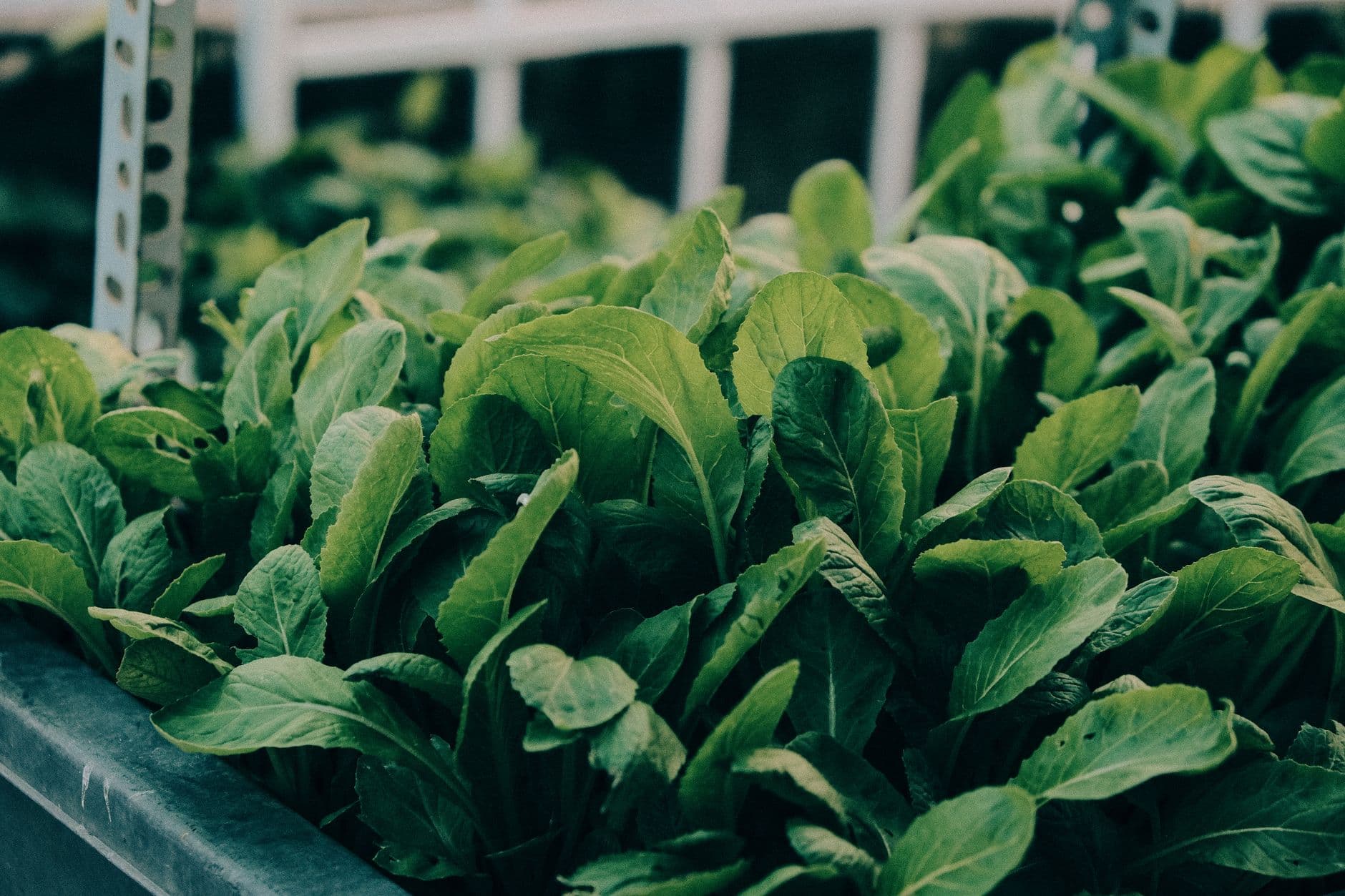
- The nutrient-rich water from the fish feeds a hydroponic lettuce tower.
- The 3D printer creates the clips, nozzles, and filters to keep the whole thing running.
It’s a strange, symbiotic relationship between the sterile world of CAD software and the messy, wet world of biology. I'm fascinated by the idea that a high-performance thermoplastic like PETG, which can take 500 years to decompose in a landfill, can be repurposed in five minutes to help grow a tomato. We are essentially hacking the timeline of plastic, forcing it to be useful in its 'middle age' instead of just letting it sit in a hole in the ground.
What This Actually Means
This isn't just about fish; it’s about a fundamental shift in how we perceive 'non-recyclable' materials. If we stop waiting for the government to build a better recycling plant and start looking at our trash as a building block for food production, the math of urban living changes. The 'Koi Pond Mosaic' is a proof of concept that the waste of the digital revolution can be the fertilizer for the biological one.
I don’t know if every garage will have a tilapia tank by 2040, but I do know that the barrier to entry for urban farming is dropping because the 'parts' are becoming free. When the cost of infrastructure hits zero because you're using your own mistakes to build it, innovation gets very weird and very fast. We might be witnessing the birth of a truly decentralized food system, one failed 3D print at a time.
Quick Answers
Is it safe to put 3D printer waste in water with fish?
Generally, yes, as PLA and PETG are relatively inert, but you have to ensure the filament didn't contain toxic dyes or heavy metal additives.
Why not just recycle the plastic normally?
Most 3D printing waste is too small or irregularly shaped for commercial sorting machines to handle, so it almost always ends up in a landfill otherwise.
Can this produce enough food to matter?
While a single pond won't feed a city, a distributed network of 'micro-circular' farms can significantly offset a community's reliance on industrial supply chains.