The Era of Staring at Statues is Over
We spent the last few years throwing a ticker-tape parade for AlphaFold because it could predict what a protein looked like when it was standing perfectly still for a portrait. That was lovely. It gave us a very expensive, very detailed catalog of static shapes, which is great if your goal is to curate a museum of biological origami. The problem, of course, is that biology doesn't happen in a vacuum, and proteins don't spend their lives posing for headshots. They wiggle, they fold, and they interact with other molecules in a messy, wet, thermal dance that makes a nightclub at 2:00 AM look organized.
Enter Isomorphic Labs and their new drug design engine. While everyone else was busy celebrating the fact that we could finally see the lock, Isomorphic decided to actually model how the key turns. They aren't just looking at the shape; they are simulating the chemical physics of the binding event itself. It turns out that understanding how two things actually touch is slightly more useful for curing diseases than just knowing they both exist in the same zip code.
Historically, the pharmaceutical industry has operated on a strategy of "fail fast, fail often, and charge the taxpayer for the difference." By the time a drug candidate gets to human trials, it has already survived a gauntlet of accidental discoveries and lucky breaks. We’ve been essentially throwing a trillion pieces of spaghetti at a wall to see which one sticks, then acting surprised when 90% of it ends up on the floor. Isomorphic is suggesting we actually calculate the adhesive properties of the pasta before we throw it. How revolutionary.
Moving from Origami to Engineering
Moving beyond AlphaFold to the "Dynamic Interactome" is the kind of leap that makes our previous efforts look like we were trying to build a jet engine using only a set of crayons. The old way—static protein folding—told us the structure. The new way tells us the affinity, the kinetics, and the actual physics of molecular binding. It’s the difference between looking at a blueprint of a bridge and actually calculating if the wind is going to knock it down.
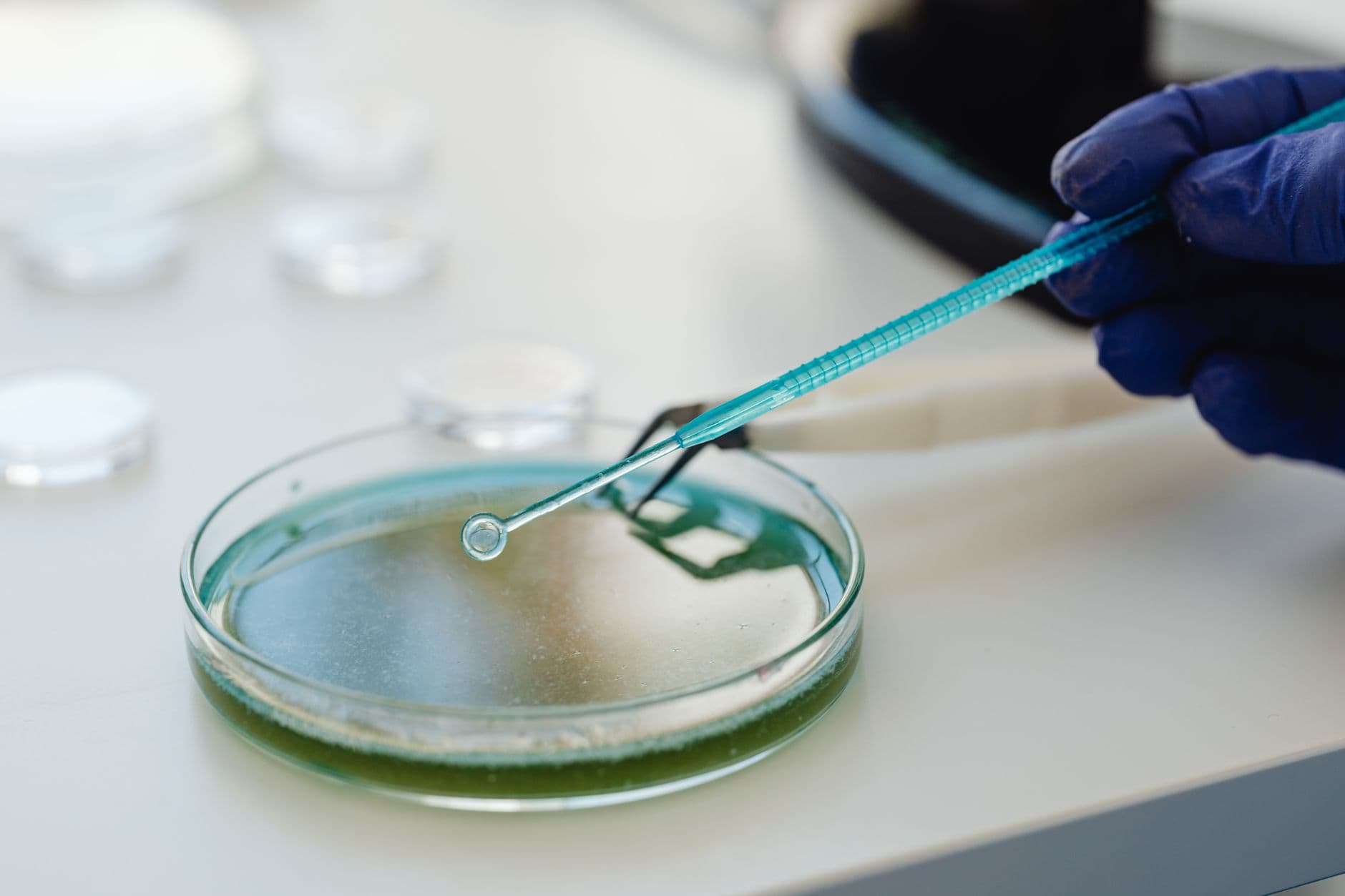
This shift turns drug discovery into a predictable, software-engineered simulation. It implies that we can stop relying on the "serendipity" of a scientist accidentally leaving a petri dish out over the weekend. We are talking about modeling the real-time interaction of atoms with such precision that the biological "trial-and-error" phase becomes an embarrassing relic of our superstitious past.

Photo by panumas nikhomkhai on Pexels
Think about the $2.6 billion average cost to bring a single drug to market. A massive chunk of that change is burned on "optimization"—a polite term for making 5,000 slightly different versions of a molecule to see which one doesn't kill a mouse. If you can simulate the binding physics correctly the first time, you don't need the 5,000 versions. You just need the one that works. But sure, let's keep funding the "educated guess" department for another decade because change is scary.
The Physics of Actually Knowing Things
The Isomorphic engine isn't just a better calculator; it’s a fundamental admission that biology is just physics with too many variables. By narrowing those variables down through the lens of the "Dynamic Interactome," we are finally treating the human body like a machine instead of a magical mystery box. It’s almost as if the laws of thermodynamics apply to us, too.
We are now looking at a world where we can predict how a small molecule will nestle into a protein pocket with the same reliability that Boeing predicts how an airfoil will behave in a wind tunnel. Except, you know, hopefully with better quality control. This isn't just "AI for drugs." It's the end of the era of biological alchemy. We are putting away the philosopher's stone and picking up a GPU.
Of course, the industry will pivot slowly. There are too many people whose entire careers are built on the mysterious "art" of medicinal chemistry. They like the mystery. Mystery provides job security. When you turn a mystery into a math problem, the people who were good at guessing start to look very expensive and very unnecessary.
What This Actually Means
What this actually means is that the bottleneck for human health is no longer our inability to find the right molecule; it’s our willingness to pay for it. If the "software-engineered" approach works, we’ve effectively solved the hardest part of medicine. We can design the cure in a weekend. The rest of the decade-long timeline is just regulatory paperwork and the slow, grinding machinery of clinical trials designed for an era when we didn't know what we were doing.
We are reaching a point where the software is smarter than the biological system it’s trying to fix. That’s a strange place to be. It means the failures of the future won't be because we couldn't find a drug that binds to a target; they'll be because we picked the wrong target or because the human body found a way to be even more annoying than the simulation predicted.
Ultimately, Isomorphic Labs is selling the dream of a world where medicine is a solved problem. It’s a bold claim, especially in an industry that has made a fortune off the fact that everything is difficult and nothing is certain. If they're right, the white lab coat is about to become a very expensive piece of cosplay for people who spend all day looking at Python scripts.
Quick Answers
Is this just AlphaFold 2.0?
No, it’s AlphaFold graduated from art school and got a degree in mechanical engineering. It’s moving from seeing shapes to understanding forces.
Will drugs get cheaper because of this?
Technically, the cost of discovery will plummet, but don't worry—marketing budgets and corporate greed will ensure your pharmacy bill stays exactly where it is.
Is the "Dynamic Interactome" just a buzzword?
It’s a fancy way of saying "things that move and touch each other," but it’s a necessary distinction when your previous tech could only see things that were frozen in time.
When can I download a cure for the common cold?
As soon as the simulation handles the 30 trillion other variables in your body that aren't the virus, so maybe check back on Tuesday.