We rarely think about water until it is either drowning us or gone entirely. But in the high-altitude desert of Ladakh, nestled between India, Pakistan, and China, water is a ticking clock. Sonam Wangchuk, an engineer famous for inventing artificial glaciers called ice stupas, recently spent 21 days drinking only water and salt in sub-zero temperatures. He was protesting for constitutional protections to shield this fragile ecosystem from rapid industrialization.
What fascinates me here is not just the sheer endurance of the human body, but the shift in how we talk about borders. Wangchuk is arguing that the ultimate threat to India’s sovereignty isn't necessarily a foreign army, but the melting of the glaciers that feed over two billion people downstream. He is linking indigenous land rights directly to national survival. It makes you wonder: is the environment the ultimate sovereign border?
The Gravity of the Third Pole
To understand why this matters, we have to look at the geography. The Hindu Kush-Himalayan region is often called the "Third Pole" because it holds the largest concentration of frozen water outside the polar regions. It feeds ten major river systems, including the Indus, the Ganges, and the Yangtze.
If these glaciers disappear, the geopolitical consequences are staggering. We are talking about a region home to three nuclear-armed states—India, Pakistan, and China—all fighting over dwindling water resources. China has already dammed several rivers originating in Tibet, which worries India. India, in turn, is rushing to build roads, military outposts, and mining infrastructure in Ladakh to secure its frontier.
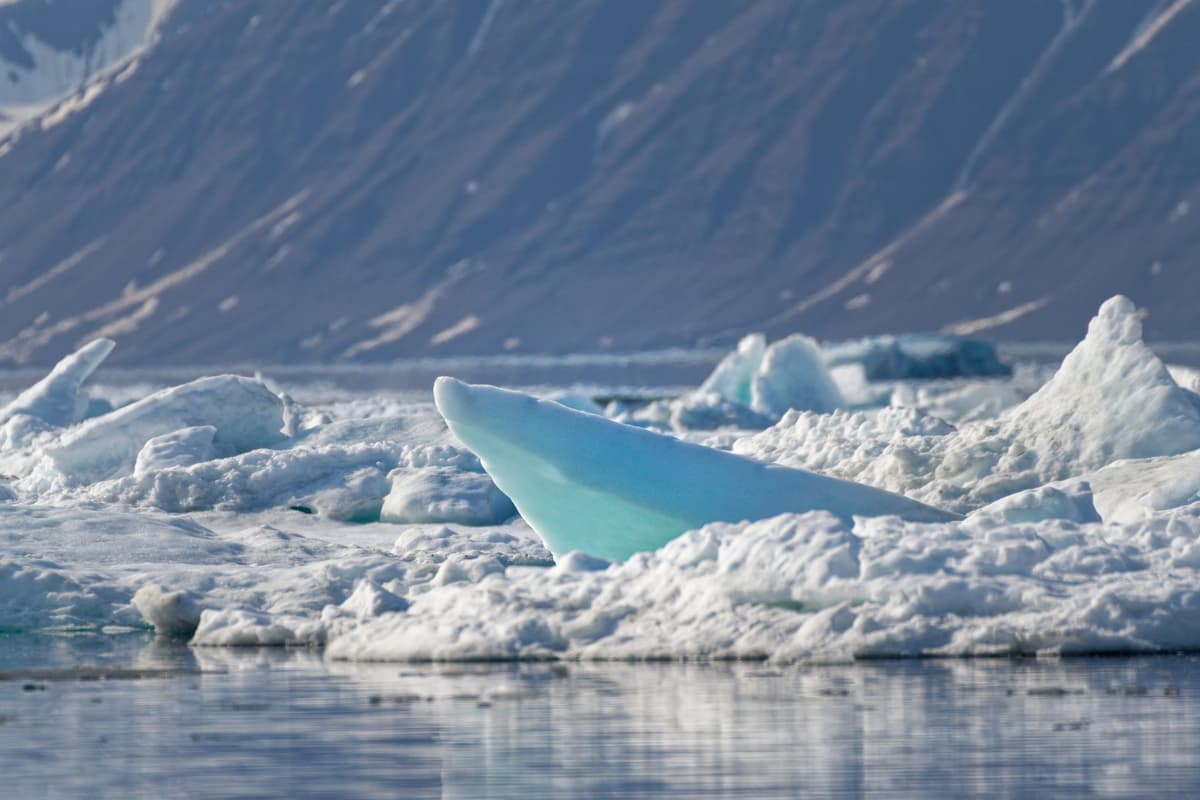
But here is the paradox. The very infrastructure built to defend the border is destroying the natural barrier that makes the border secure in the first place. Heavy military machinery, highway construction, and tourism are warming the microclimate. The black carbon from diesel trucks settles on the glaciers, absorbing heat and accelerating the melt. We are paving over our own water towers to guard them.
Can Constitutional Law Cool a Glacier?
Wangchuk’s core demand is to bring Ladakh under the Sixth Schedule of the Indian Constitution. This provision allows tribal areas to form autonomous district councils with the power to make laws protecting land, forests, and water from outside exploitation.
I find this legal strategy brilliant and slightly desperate. Can a bureaucratic pen stroke actually stop a glacier from melting?
- It gives locals veto power over massive mining projects seeking lithium and coal.
- It prevents giant solar farms from swallowing up pastoral grazing lands.
- It shifts decision-making from distant bureaucrats in New Delhi to people who actually live on the ice.
But there is a counter-argument that keeps nagging at me. India needs clean energy. The government wants to build a massive 13-gigawatt solar project in Ladakh to power the rest of the country. Is it selfish for a small population of 300,000 Ladakhis to block green energy projects that could reduce carbon emissions for 1.4 billion people? Or is destroying a delicate high-altitude ecosystem to build solar panels the definition of counterproductive?
The Concept of Sovereign Environmentalism
Maybe we are witnessing the birth of a new concept: sovereign environmentalism. Traditionally, environmentalists are seen as globalists who care about the planet as a whole, while governments care about national borders. Wangchuk is flipping this on its head. He is arguing that protecting the local ecology is the highest form of patriotism.
Think about the sheer scale of what is at risk. By 2100, scientists estimate that up to two-thirds of the Himalayan glaciers could disappear if current warming trends continue. That is not just an ecological disaster; it is a total collapse of civilizational stability in South Asia.
When a state prioritizes short-term mining profits or military highways over its own water source, it feels like a house burning down its own walls for warmth. Ladakh is showing us that security cannot be measured solely in troops and concrete. Sometimes, security is just quiet, frozen water.
What This Actually Means
The Ladakh protest is a preview of the next century. As resources dry up, the line between environmental protection and national security will dissolve entirely. We will see more communities demanding control over their local resources, not out of greed, but out of survival.
Wangchuk ended his strike after 21 days, but the movement has not stopped. Thousands of Ladakhis continue to protest. They are asking a question that the rest of the world will eventually have to answer: what is the point of defending a territory if the land itself becomes uninhabitable?
Ultimately, the Himalayas do not care about human borders, treaties, or military strength. They operate on thermodynamics. If we keep treating the Third Pole as a geopolitical chessboard rather than a life-support system, the board itself is going to melt away.
Quick Answers
Why is Ladakh called a water tower?
Ladakh’s glaciers feed the rivers that provide drinking water and agriculture for nearly two billion people across Asia.
What does the Sixth Schedule do?
It is a constitutional provision in India that grants tribal communities autonomy to govern themselves and protect their land from industrial exploitation.
Why is the military presence harming the glaciers?
Heavy military transport, road construction, and infrastructure projects release black carbon, which settles on the ice, absorbs sunlight, and speeds up melting.