Nobody builds a $100 billion data center with pocket change, yet the balance sheets of Big Tech remain strangely pristine. If you look at the official financial disclosures of the top five tech giants, you won't find the massive, earth-shaking debt loads you would expect from companies currently undertaking the largest capital expenditure boom in human history. Instead, you find a labyrinth of specialized cloud-leasing entities, joint ventures, and off-balance-sheet vehicles that are quietly funding the physical backbone of artificial intelligence.
I find myself staring at these numbers and wondering if we are witnessing the birth of a new kind of monetary system. This isn't just about graphics cards or real estate; it is about who controls the raw computational power that will define the next century. By bypassing traditional debt disclosures, these companies are building a centralized "global compute reserve" that operates entirely outside the jurisdiction of traditional international banking regulators.
The Alchemy of Off-Balance-Sheet Silicon
How do you hide a trillion dollars in infrastructure spending? The mechanism is brilliant in its complexity, relying on specialized intermediaries that act as financial shock absorbers. A tech giant partners with a newly minted, heavily funded cloud provider—often backed by private equity or sovereign wealth—and guarantees future lease payments in exchange for immediate access to massive clusters of Nvidia chips.
Because of the way modern accounting standards are structured, these long-term purchase commitments don't always register as traditional debt on a corporate balance sheet. They sit in the footnotes, quietly accumulating. Estimates suggest that between US tech giants and these specialized leasing entities, there is now up to $1.65 trillion in opaque, off-balance-sheet commitments dedicated purely to AI infrastructure.
I wonder what happens when the entities holding this debt realize they are holding depreciating silicon rather than appreciating real estate. A data center is not a highway or a bridge; it has a technological half-life of about four years. We are anchoring a massive financial structure to assets that might be obsolete before the principal on the loan is even paid down.
A Parallel to the International Banking System
Historically, when a country or a massive consortium needed to fund infrastructure of this scale, they went to the World Bank, the IMF, or consortia of multinational investment banks. These institutions came with rules, treaties, and public disclosures. Today, the "compute reserve" is being funded by private agreements that bypass these public institutions entirely.
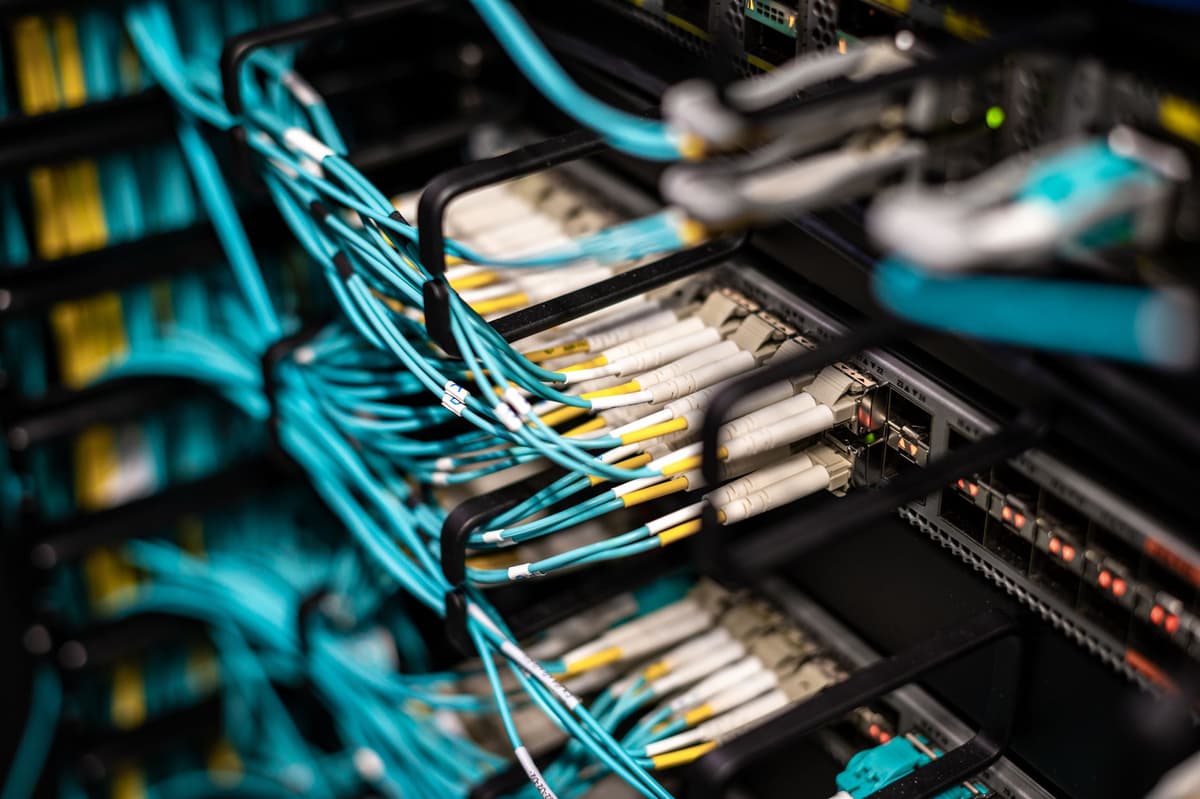
Photo by Brett Sayles on Pexels
This setup behaves less like a tech supply chain and more like a parallel financial system. Compute has become a currency. If you have access to 100,000 state-of-the-art chips, you can secure loans, barter for equity in hot startups, or negotiate sovereign concessions with mid-sized nations desperate for technological relevance.
What happens when a private company can offer a developing nation more processing power than the entire European continent possesses, in exchange for favorable regulatory write-offs or exclusive access to local energy grids? The traditional leverage points of international diplomacy are being replaced by access to the digital reserve.
The Geopolitical Risk of the Silent Reserve
This isn't just a corporate shell game; it is a geopolitical realignment. When a sovereign nation borrows money, the terms are public, debated in parliaments, and factored into global risk assessments. When a tech giant uses a shadow leasing entity to build a massive compute cluster in a politically volatile region, who actually owns that strategic asset?
If one of these highly leveraged leasing entities defaults, who claims the chips? Does a private equity firm in New York seize a data center located in a sovereign nation that considers that specific cluster to be a matter of national security? The legal precedents simply do not exist for this level of scale.
- The Energy Squeeze: These data centers require gigawatts of power, often forcing local grids to prioritize cooling chips over powering homes.
- The Regulatory Void: Because these partnerships are structured as leases and service agreements, they slip through the net of traditional financial system surveillance.
- Sovereign Dependence: Smaller nations are effectively outsourcing their cognitive infrastructure to three or four corporate entities.
We are building a world where the most valuable resource on earth is managed by a handful of treasury departments answerable only to their boards.
What This Actually Means
We need to stop looking at AI as a software race and start looking at it as a massive, leveraged real estate and energy play. The real innovation of the current AI boom might not be the large language models themselves, but the financial engineering that allowed trillions of dollars to flow into physical infrastructure without triggering inflation alarms or corporate debt downgrades.
If this shadow system remains stable, we will see the consolidation of a new class of global power brokers—companies that act as digital sovereigns, leasing out the cognitive capacity of the planet. They will have their own reserves, their own infrastructure, and their own diplomatic relations with nation-states.
But if the underlying demand for AI services stalls, even slightly, the sheer volume of this hidden debt could create a liquidity squeeze that ripples far beyond Silicon Valley. We have built a towering lighthouse of innovation, but we have placed it on a foundation of shifting, unmapped financial sand.
Quick Answers
What is off-balance-sheet AI funding?
It is a financial practice where tech companies use third-party entities or joint ventures to fund expensive AI hardware and data centers, keeping the massive debt associated with these projects off their main corporate balance sheets.
Why does this pose a geopolitical risk?
Because it creates a concentrated, privately controlled reserve of global computing power that bypasses international regulations, allowing tech giants to negotiate directly with sovereign states using compute as leverage.
How does compute act like a currency?
Access to high-end microprocessors is currently so scarce and valuable that it is being used to secure loans, trade for equity, and influence national policy, functioning much like a reserve asset.