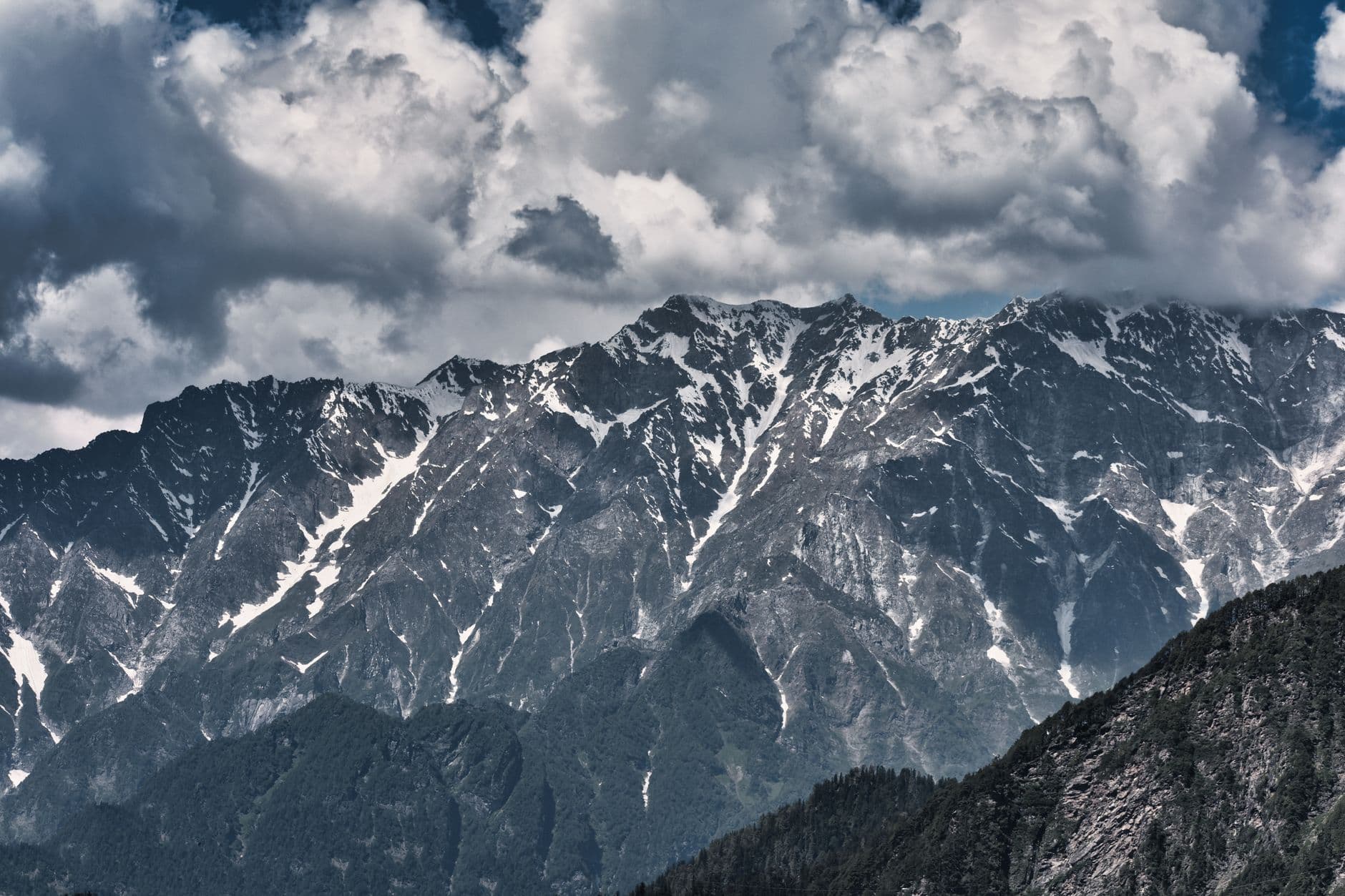
The Ultimate High-Altitude Real Estate Dispute
There is nothing quite like the crisp, clean air of the Himalayas to make you appreciate the finer things in life. Things like thousands of tons of heavy artillery, diesel-chugging military convoys, and two nuclear-armed superpowers staring at each other across a barren wasteland. Ladakh, a region that used to be famous for scenic monasteries and backpackers trying to "find themselves," has successfully upgraded into one of the most heavily militarized zones on the planet.
At the center of this scenic combat zone is Sonam Wangchuk. You might know him as the brilliant engineer who invented ice stupas—artificial glaciers designed to store winter water for spring farming. It was a lovely, low-tech solution to a local problem. Naturally, the universe decided this was far too peaceful. Now, Wangchuk’s climate activism has collided head-first with the cold, hard reality of Indian and Chinese border strategy, proving once again that no good deed goes unpunished by the state.
When Wangchuk went on a 21-day hunger strike in March 2024, surviving only on water and salt in sub-zero temperatures, he thought he was protesting for local autonomy and ecological protection. He wanted the Indian government to honor its promises to safeguard Ladakh’s fragile ecosystem under the Sixth Schedule of the constitution. Instead, he created a massive headache for military planners who prefer their border zones quiet, obedient, and paved with concrete.
The Strategic Value of Melting Ice
To understand why a man fasting in a solar-heated tent terrifies bureaucrats, you have to look at the water. The Tibetan Plateau and the Himalayas are often called the "Third Pole" because they hold the largest concentration of freshwater ice outside the polar regions. This ice feeds ten of Asia’s largest rivers, keeping nearly two billion people from dying of thirst.
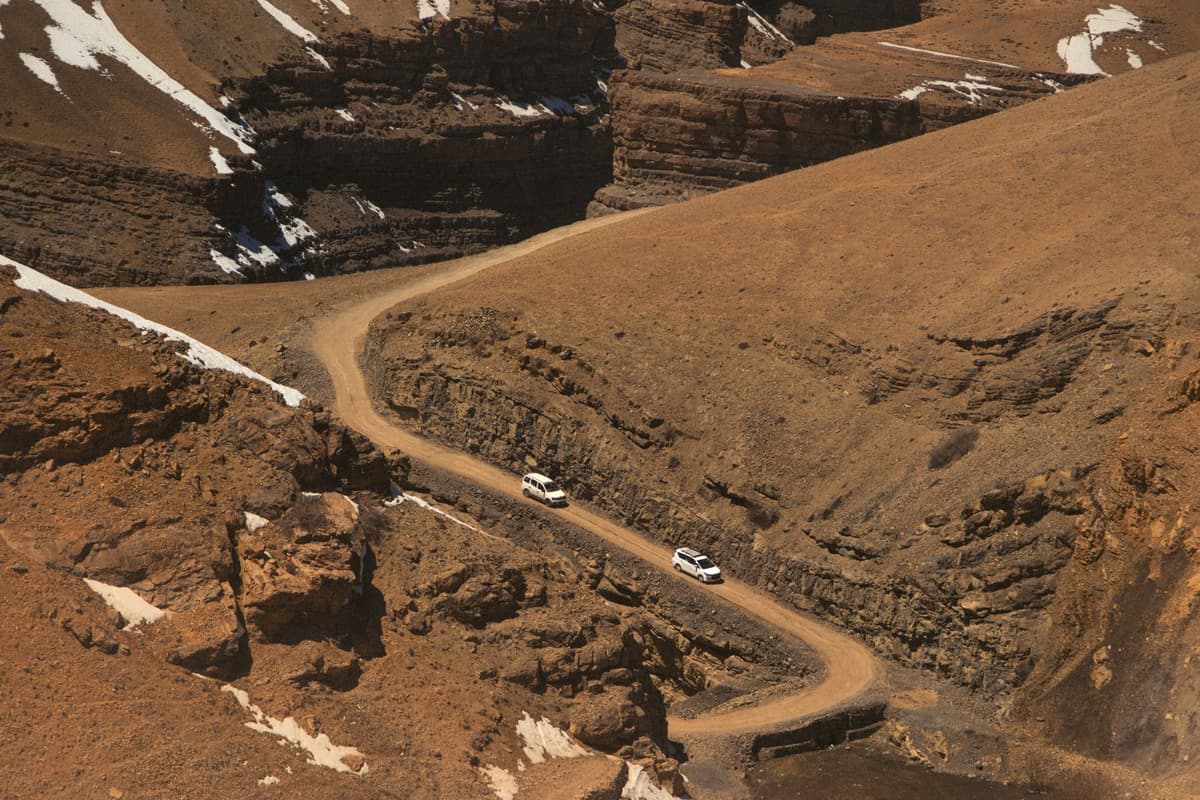
Photo by Shubham Dhage on Pexels
Normally, you might think preserving this water source would be a shared priority. But that is because you lack the vision of a geopolitical strategist. Why cooperate to save the glaciers when you can build military outposts on them? China has been busy damming rivers upstream, turning water into a geopolitical faucet they can turn off whenever India misbehaves. India, not wanting to be left out, is rushing to build massive roads, tunnels, and bridges through Ladakh to move troops to the Line of Actual Control (LAC) as fast as humanly possible.
This is where the comedy of errors peaks. To defend the territory from China, India must build massive infrastructure. To build massive infrastructure, India must blast away the very mountains and glaciers that make Ladakh worth having. We are essentially destroying the water supply to ensure that when the war over the water supply inevitably happens, we have excellent roads to drive our tanks on.
Local Democracy is Bad for Logistics
Wangchuk’s demand for local administrative rights is incredibly inconvenient for national defense. If the locals get a say in how their land is managed, they might say silly things like, "Please do not build a high-altitude highway through our grazing lands," or "Maybe we shouldn't mine the pristine valleys for lithium."
- The Indian military needs absolute freedom of movement, which is much easier to secure when local populations have zero legislative power.
- The state-run development projects, valued at billions of dollars, do not have time for environmental impact assessments when Beijing is watching.
- Giving Ladakhis a voice might set a dangerous precedent that people should have a say in whether their homeland becomes a dystopian buffer zone.
So, the solution has been simple: praise Wangchuk as a national treasure in public, while quietly ensuring his protests are met with heavy police presence and internet shutdowns. It is a masterclass in modern governance. You don't have to suppress the message if you can just make sure nobody in Delhi can load the video of it.
What This Actually Means
Ultimately, the situation in Ladakh exposes the grand irony of 21st-century security. We are so obsessed with defending borders on a map that we are actively destroying the physical geography those borders enclose. A glacier does not care about the Line of Actual Control. It melts at the same rate whether it is under Indian or Chinese administration.
By treating Ladakh solely as a military chessboard, both New Delhi and Beijing are ensuring that the prize they are fighting over will eventually disappear. The rivers will flood, then they will dry up, and the millions of people downstream will face an existential crisis that no amount of surface-to-air missiles can solve. But at least the roads leading to the empty riverbeds will be wonderfully paved.
Wangchuk’s fast was not just a protest against local neglect; it was a mirror held up to the sheer absurdity of prioritizing military posturing over planetary survival. Unsurprisingly, the politicians looked into the mirror, didn't like what they saw, and decided to ignore it. After all, there are borders to defend and glaciers to pave.
Quick Answers
Why is Ladakh called a geopolitical flashpoint?
It sits directly between India, China, and Pakistan, making it a highly contested border region. Additionally, it controls the headwaters of vital rivers that sustain billions of people downstream, turning environmental degradation into a national security threat.
What does Sonam Wangchuk actually want?
He wants Ladakh to be included under the Sixth Schedule of the Indian Constitution. This would grant the region tribal status and local legislative powers, allowing locals to protect their fragile environment from unchecked industrial exploitation and military development.
How does climate change affect the India-China border dispute?
As glaciers melt, freshwater resources are shrinking, making control over the Tibetan Plateau's water systems a critical strategic asset. Both nations are rushing to build infrastructure in the region, which accelerates the ecological damage while escalating military tensions.