Most people think environmentalism involves Birkenstocks, reusable grocery bags that smell like old kale, and signing petitions that go straight into a senator’s digital incinerator. We’ve been told for decades that if we just recycle our yogurt cups with enough vigor, the polar bears might stop looking so depressed. But the Falkland Islands—or the Malvinas, depending on how much you enjoy arguing over malbec—have proven that the most effective way to protect Mother Nature is to make sure two nations are so mad at each other that nobody is allowed to touch anything. It is the 'if I can't have it, nobody can' school of ecological management, and honestly, it’s working better than any UN summit ever could.
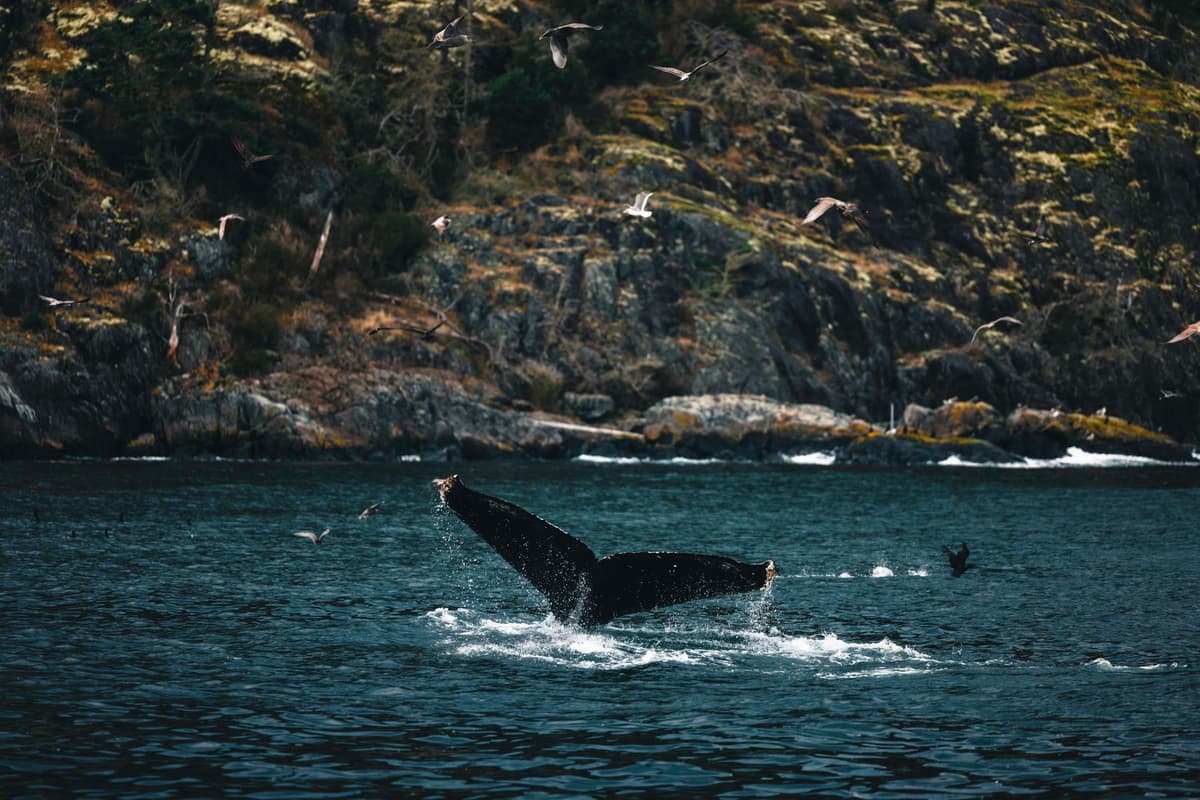
While the rest of the world’s oceans are being vacuumed clean by industrial trawlers that have the subtlety of a chainsaw in a library, the waters around these windswept rocks are a chaotic mosh pit of biodiversity. We’re talking about millions of penguins, seals that look like overstuffed beanbags, and whales that are probably wondering why the rest of the planet is so loud and oily. This isn't because of a heartfelt policy written on recycled hemp paper. It’s because the area is essentially a giant 'Keep Off The Grass' sign backed by heavy artillery. It’s conservation by gridlock, and it’s beautiful.
The Stay-Away-From-My-Rocks Strategy
Imagine you have two neighbors who both claim they own the skinny strip of lawn between your houses. Instead of coming to a sensible agreement or sharing a lawnmower, they both sit on their respective porches holding garden hoses and glaring at anyone who dares to step on a single blade of crabgrass. After forty years of this, that strip of lawn isn't a lawn anymore; it’s a lush, prehistoric jungle where rare orchids are blooming and a family of endangered squirrels has started a jazz quartet. That is the Falklands in a nutshell. Because the UK and Argentina can't agree on whose flag belongs on the souvenir mugs, the industrial fishing fleets are largely kept at arm's length.
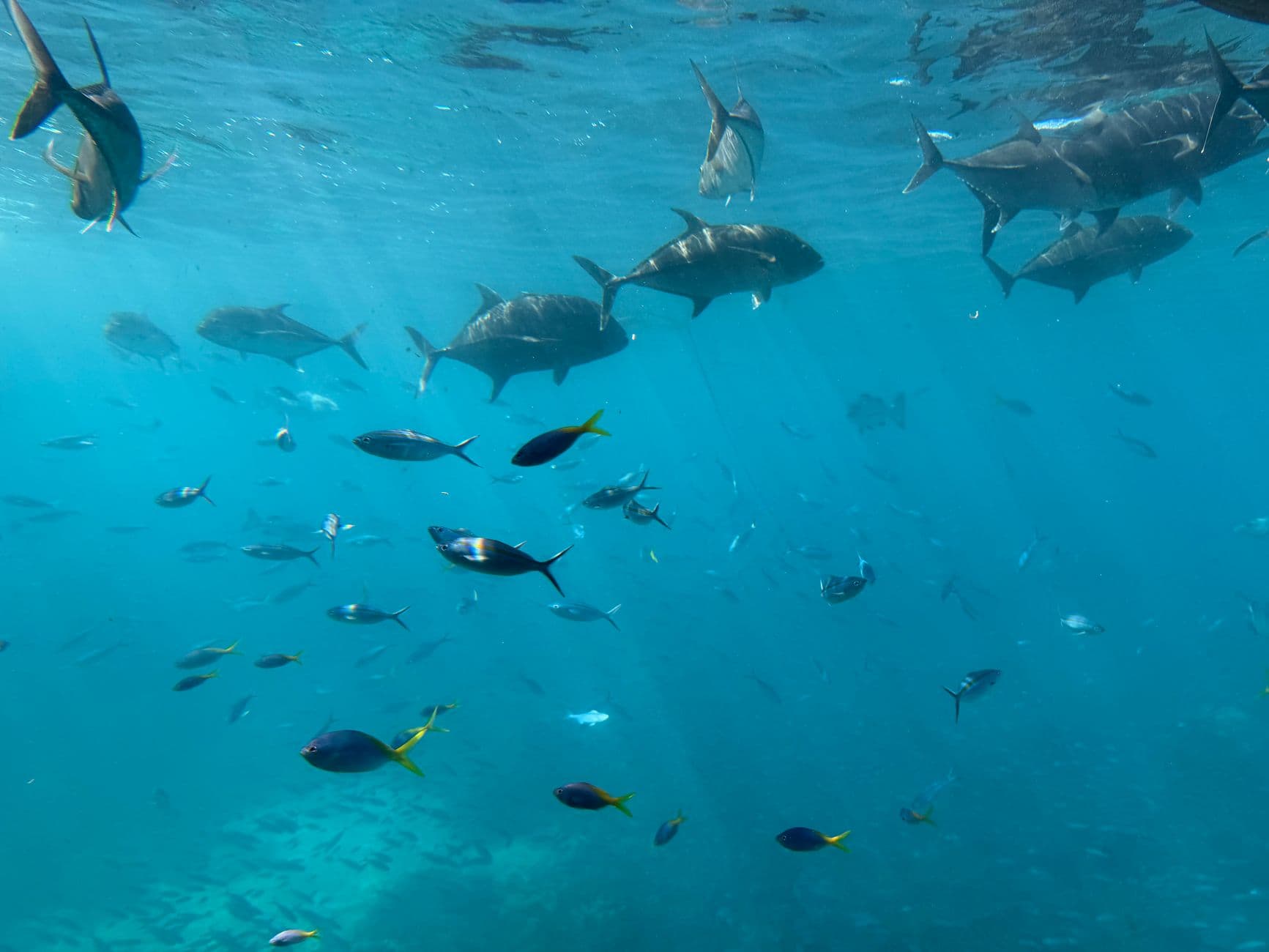
Since the 1982 conflict, which lasted 74 days and cost about $2.8 billion in 1980s money, the waters have become a geopolitical minefield—literally and figuratively. Large-scale development requires stability, and nothing says 'unstable investment' like a territory where the neighbors occasionally send strongly worded letters via fighter jet. As a result, the kelp forests are thriving. These aren't just little patches of seaweed; they are underwater skyscrapers that haven't been demolished to make room for a luxury condo or a factory ship that turns everything with fins into fish sticks.
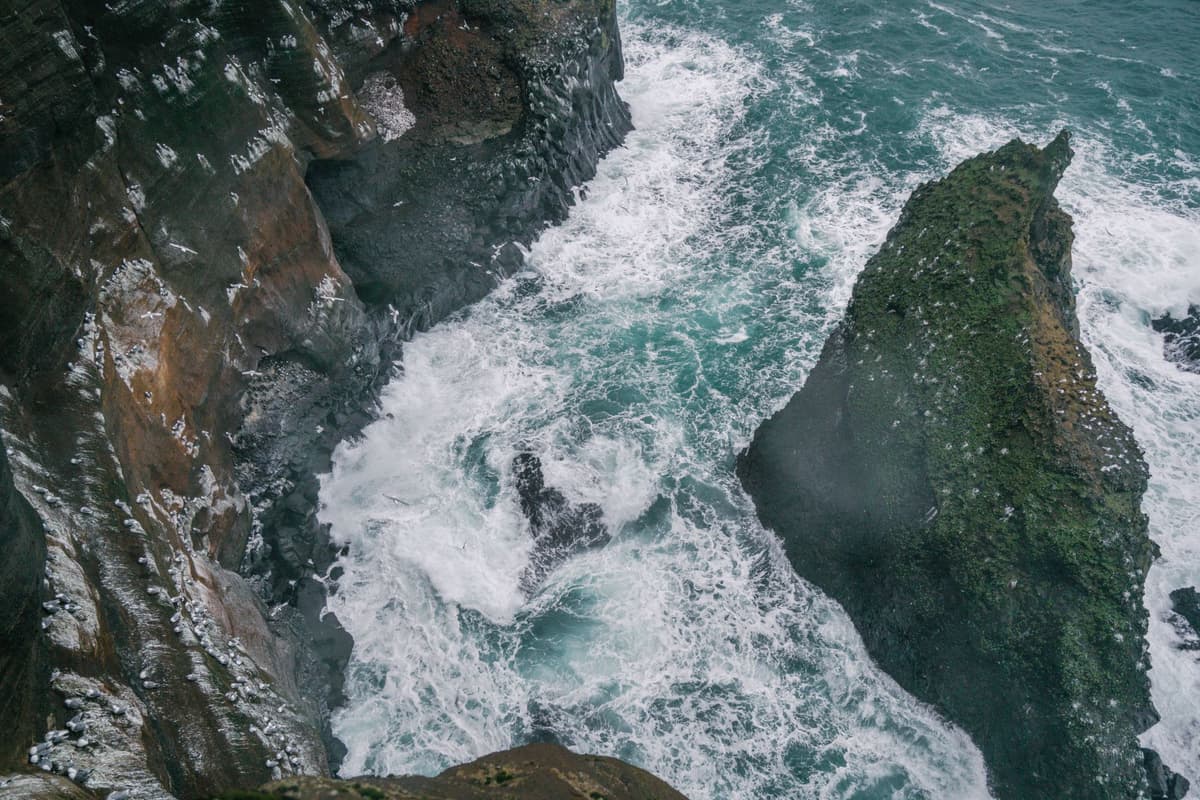
Photo by ArtHouse Studio on Pexels
We spend billions on 'marine protected areas' that are usually about as effective as a 'No Smoking' sign in a casino. Most of these zones are 'paper parks'—they exist in a filing cabinet in Geneva but have zero enforcement. But the Falklands? That’s an 'accidental park' with the best security guards on the planet: two sovereign nations with a lot of pride and very long memories. If a rogue trawler wanders in, they aren't worried about a fine; they’re worried about starting a Third World War over a cargo of squid. That is a very effective deterrent.
Biodiversity Powered By Grudges
Let’s look at the numbers, because nothing makes a comedy blog post pop like raw data. The Falkland Islands hold roughly 70% of the world's black-browed albatross population. These birds have wingspans of eight feet and faces that look like they’re constantly judging your life choices. In any other part of the Atlantic, these birds would be getting tangled in long-line fishing gear faster than a toddler in a pile of Christmas lights. But in the 'Disputed Zone,' they’re living like kings. They’ve got the best real estate on Earth because humans are too busy arguing over who gets to collect the property taxes.
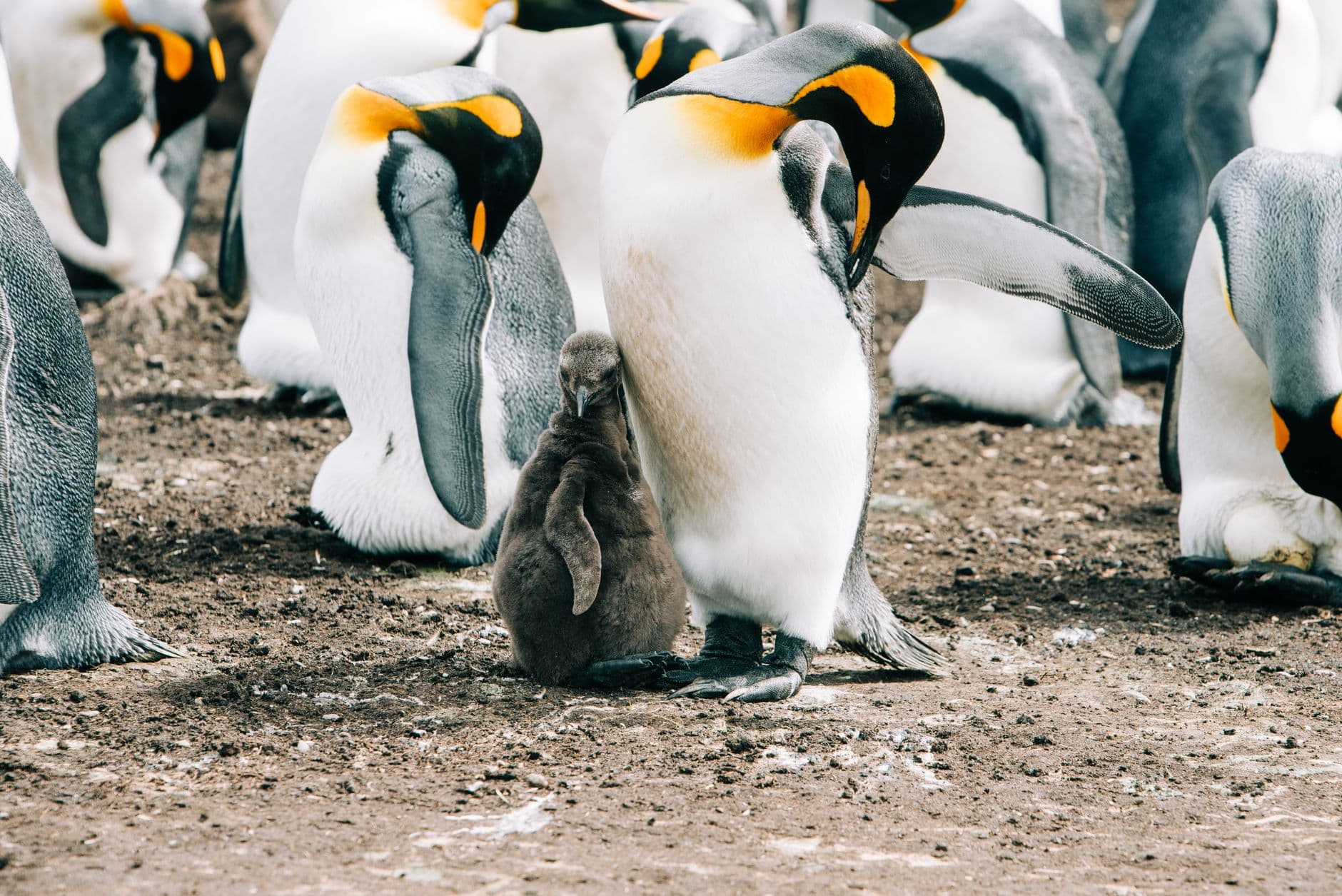
Then there are the penguins. There are five different species of penguins on the islands, totaling over a million birds. To put that in perspective, that’s more penguins than there are people in San Francisco, and the penguins are significantly better at sharing the sidewalk. These birds aren't surviving because of a 'Save the Penguins' telethon. They’re surviving because the local economy is a bizarre mix of sheep farming and highly regulated squid jigging that is watched more closely than a diamond heist.
This creates a fascinating paradox. If the dispute were ever actually settled—if everyone hugged, grabbed a pint, and signed a treaty—the first thing that would happen is a rush of 'sustainable development' experts. Within six months, there would be a cruise ship terminal, three boutique hotels with 'authentic' nautical decor, and a gift shop selling plastic albatrosses made in a factory three thousand miles away. The peace treaty would be the death warrant for the ecosystem. The grudge is the only thing keeping the bulldozers in the garage.
What This Actually Means
What this actually means is that we might be going about conservation all wrong. We keep trying to convince people to be 'good' and 'stewardship-oriented,' which is a tough sell because humans are essentially greedy monkeys with smartphones. Maybe the future of the planet isn't Green Peace; maybe it’s just more Petty Spite. If we want to save the Amazon, we shouldn't just plead with the loggers. We should convince two rival billionaire tech moguls that they both own the same 50-mile stretch of rainforest and then sit back and watch them block each other's access for the next century.
We’ve stumbled upon a model of 'Conflict-Based Conservation.' It’s the idea that human dysfunction can accidentally create a vacuum where nature finally gets a break. The demilitarized zone between North and South Korea is another example—it’s a 160-mile long wildlife refuge where rare cranes hang out because anyone who tries to hunt them might accidentally trigger a nuclear winter. It’s dark, it’s weird, and it’s remarkably effective.
The Falklands prove that Mother Nature doesn't need our help, our fancy slogans, or our overpriced reusable straws. She just needs us to be so distracted by our own territorial drama that we forget she’s there. So, here’s to the next fifty years of diplomatic tension, awkward UN meetings, and unresolved sovereignty claims. The albatrosses are counting on us to keep being incredibly difficult to get along with. Don't let them down.
Quick Answers
Is it really better for the environment if we just fight all the time?
Not 'all the time,' but a good, simmering, multi-generational stalemate really keeps the developers away from the pristine coastline. Peace brings gift shops, and gift shops bring doom.
Are the penguins taking sides in the British-Argentine dispute?
Penguins are strictly nihilists; as long as there is enough krill and nobody builds a parking lot over their burrows, they couldn't care less which flag is flying.
Can we apply this 'spite-based' conservation to other places?
It’s a tempting thought, though deliberately starting international incidents to save a rare frog is generally frowned upon by everyone except the frog.