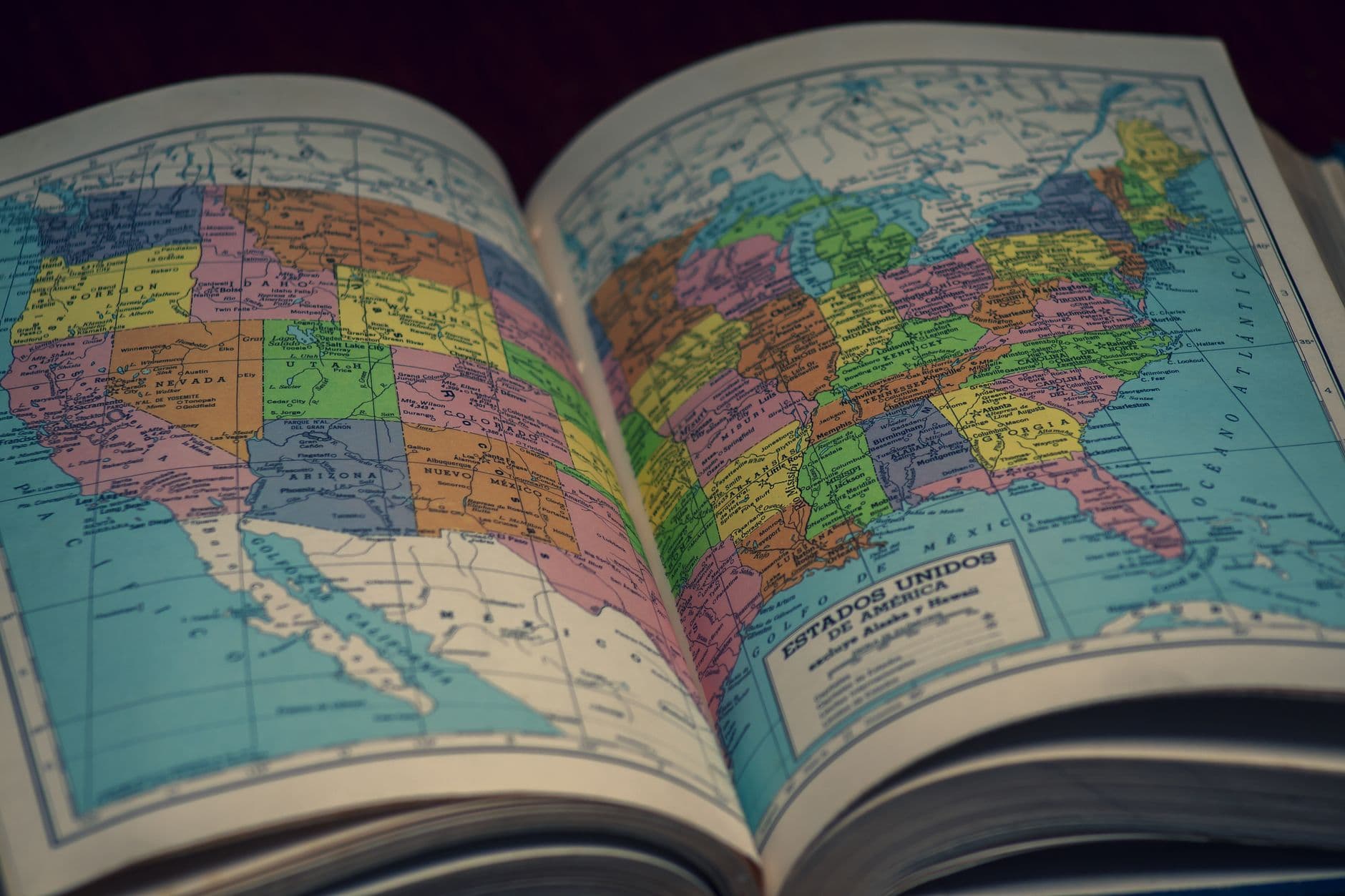
Sovereignty is no longer negotiated solely in drafty treaty rooms by men in charcoal suits. Today, the most aggressive territorial campaigns are waged in the metadata of global broadcasts and the algorithmic slipstream of social media feeds. The Argentine government’s latest strategy regarding the Falkland Islands—known in Buenos Aires as Las Malvinas—is a masterclass in this shift, leveraging the upcoming 2026 FIFA World Cup to bypass formal diplomatic channels entirely.
By embedding territorial claims into the culture of sport, Argentina is executing a strategy of digital irredentism. They are not waiting for the British Foreign Office to sit down at a table that has been cold since 1982. Instead, they are aiming directly at the global consciousness, using the world’s most-watched sporting event to normalize a disputed claim to hundreds of millions of unsuspecting viewers.
The Trojan Horse of Kit Design
The battlefield of modern soft power is stitched directly into polyester. Under FIFA’s strict Equipment Regulations, specifically Article 4, political, religious, or personal slogans and statements are strictly banned on match shirts. Yet, the Argentine Football Association (AFA) has consistently found ways to test these boundaries, pushing subtle map outlines and symbolic suns onto training gear, warm-up jackets, and fan merchandise.
These are not accidental design choices. By flooding the market with "unauthorized" or semi-official merchandise featuring the islands' silhouette draped in the albiceleste colors, the Argentine state creates a visual fait accompli. When millions of fans wear these jerseys in Atlanta, Mexico City, or Vancouver during the 2026 tournament, the image of the islands as Argentine territory becomes background noise. It is passive normalization.
This tactic exploits a massive loophole in global retail. FIFA can police what Lionel Messi wears on the pitch for 90 minutes. It cannot police what 50,000 fans wear in the stands, nor can it stop third-party manufacturers from distributing millions of replicas globally via e-commerce platforms. The broadcast cameras, sweeping the crowd for color shots, do the rest of the work.
Algorithmizing a Territorial Dispute
Beyond the physical stadium, the real conflict is digital. The Argentine government has recognized that the 2026 World Cup will be the most digitally saturated sporting event in history, projected to generate over 100 billion social media impressions. To capture this attention, state-aligned digital agencies and fan networks are preparing coordinated hashtag campaigns designed to hijack FIFA's official match feeds.
Whenever Argentina plays, digital assets linking match highlights to historical claims will be pushed into the algorithms. The goal is simple: ensure that any neutral fan searching for World Cup content is also served a curated history of the 1982 conflict. It is a sophisticated form of search engine optimization (SEO) warfare that turns casual football fans into targets for state propaganda.
Photo by RDNE Stock project on Pexels
This is not a grassroots movement; it is a top-down geopolitical campaign disguised as fan passion. By mobilizing millions of online supporters to flood comment sections and trend-jack official FIFA accounts, Buenos Aires is attempting to make the Falklands dispute a permanent sidebar to the tournament itself. They are betting that tech platforms, prioritizing engagement above all else, will do nothing to stop it.
The Failure of Neutrality as a Shield
FIFA’s historic defense has always been a insistence on neutrality, a claim that sport exists in a vacuum separate from global politics. This posture is increasingly untenable. When Gianni Infantino stands on stages claiming football brings the world together, he ignores how the sport’s infrastructure is actively weaponized by states looking to rewrite borders.
By refusing to proactively police digital irredentism, FIFA becomes an accomplice to it. The governing body’s reluctance to penalize associations for fan-driven, state-sanctioned digital campaigns creates a dangerous precedent. If Argentina successfully uses the 2026 tournament to shift public perception on the Falklands, other nations with territorial ambitions will quickly follow the blueprint.
We are entering an era where geopolitical realities are shaped not by international law, but by who controls the digital narrative during moments of peak global attention. The British government’s reliance on the 1982 military victory and the 2013 referendum—where 99.8% of islanders voted to remain a British Overseas Territory—matters less to a generation of fans whose primary source of information is an algorithmic feed.
What This Actually Means
The 2026 World Cup will demonstrate that physical territory is no longer the only domain of sovereignty. In the digital age, a country can lose the narrative battle long before a single soldier moves, simply by being out-headlined and out-trended on global platforms.
Argentina's strategy is brilliant, cheap, and highly effective. They are leveraging a multi-billion dollar private entertainment apparatus to conduct state diplomacy, forcing FIFA to either become an international censor or allow itself to be used as a billboard for territorial expansion.
If we continue to treat sport as a neutral playground, we miss the real game being played in the stands and on our screens. The Falkland Islands are not being fought over in the South Atlantic anymore; they are being fought over in the code of our social media feeds, and currently, only one side is playing to win.
Quick Answers
Why is Argentina focusing on the 2026 World Cup for this claim?
The 2026 World Cup will be the largest and most digitally connected sporting event in history, offering an unprecedented global audience of over 5 billion viewers to normalize political claims.
Isn't political messaging banned by FIFA?
Yes, but FIFA's rules primarily target official on-pitch kits. Argentina's strategy uses fan-worn merchandise and coordinated social media campaigns that bypass these specific regulatory frameworks.
Does this digital campaign change the legal status of the Falkland Islands?
No, it does not alter international law or the 2013 referendum, but it aims to erode British sovereignty over time by shifting global public opinion through continuous digital exposure.