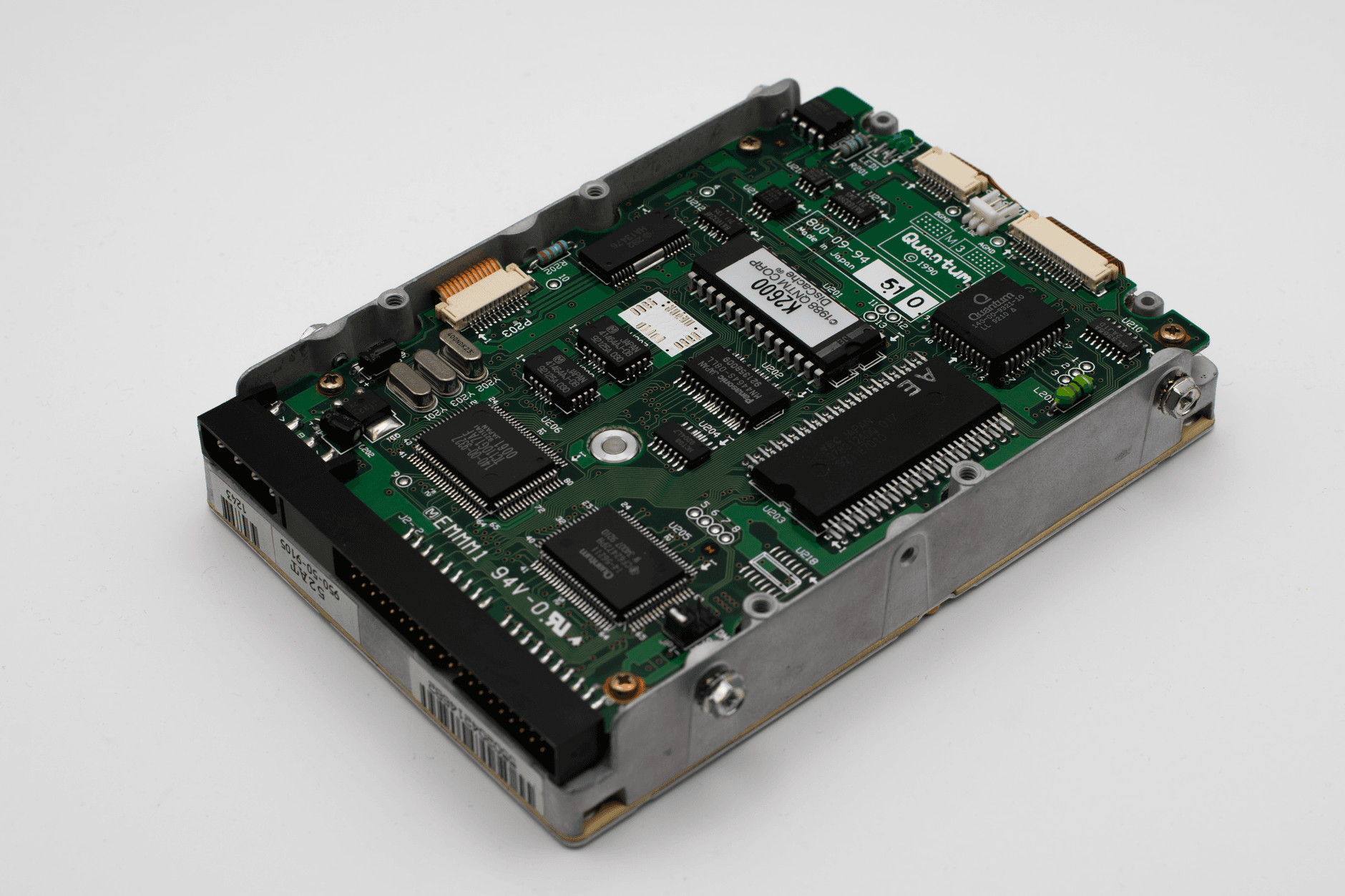
Running Doom on a device that was never meant to compute is the modern engineer’s way of planting a flag on an unscalable peak. It is a performance of absolute mastery over the machine, stripping away a device's intended utility to reveal the raw logic beneath. When a programmer forces 2.39 megabytes of 1993 code into a digital pregnancy test or a brick of LEGO, they aren't just playing a game; they are conducting a forensic autopsy of the hardware's limitations and then resuscitating it in their own image.
This behavior, often dismissed as a hobbyist quirk, represents a profound psychological impulse to demystify the black boxes of the modern era. We live in an age where our tools are increasingly locked, proprietary, and hidden behind layers of abstraction. The 'Doom-running' impulse is a rejection of those boundaries. It is a declaration that if a device possesses a processor and a screen, it belongs to the person who can manipulate its machine code, not the corporation that sold it.
The Technical Sovereignty of the Port
The choice of Doom is not accidental or merely nostalgic. The game’s source code, released by John Carmack in 1997, is a masterpiece of efficiency, designed to run on the 486 processors of the early nineties. Because it was built to squeeze every ounce of performance out of limited hardware, it has become the universal yardstick for computational capability. It is the gold standard for 'Turing completeness' in the physical world.
To port this specific engine is to engage in a form of technical subversion. It requires an intimate understanding of memory management, display drivers, and input polling. When a hacker successfully maps the game’s controls to a rotary phone or a treadmill interface, they are effectively colonizing that hardware. They are taking a tool designed for a singular, mundane purpose and forcing it to participate in a complex, multi-dimensional simulation. This is the ultimate expression of intellectual sovereignty over the material world.
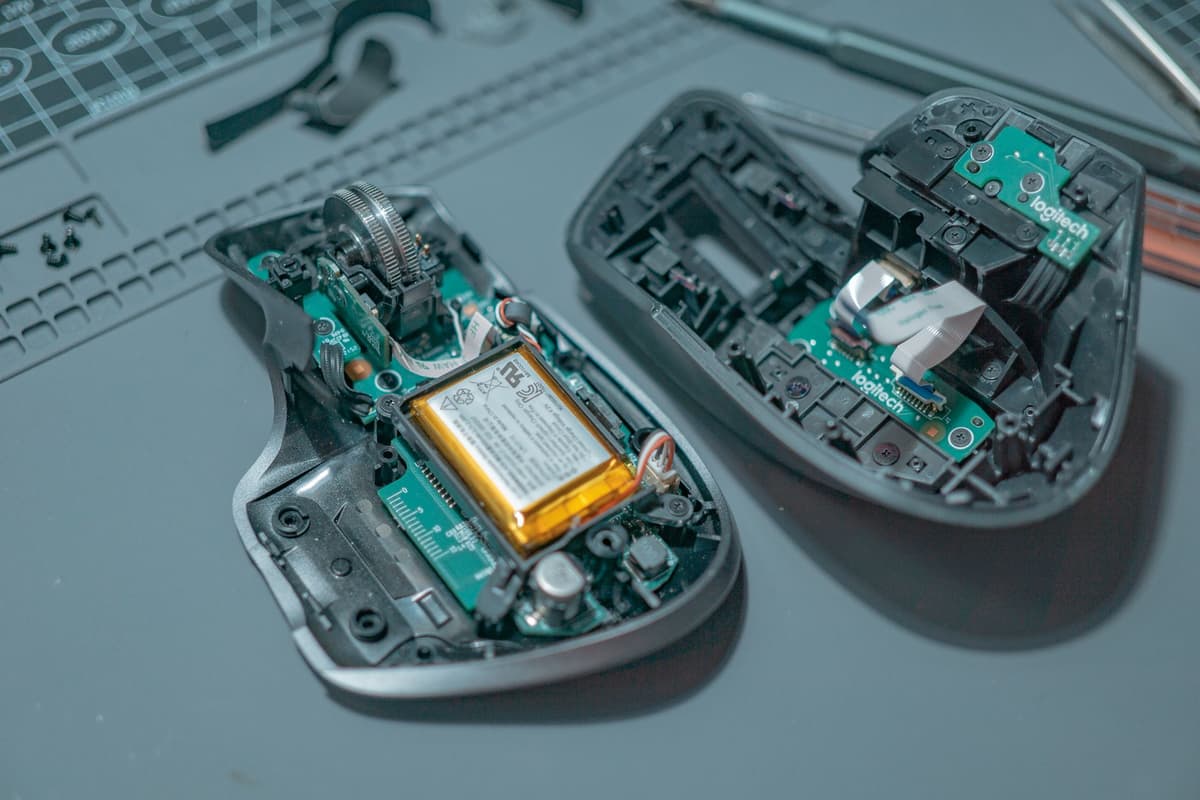
Photo by FOX ^.ᆽ.^= ∫ on Pexels
This process is often grueling and serves zero practical utility, which is precisely why it matters. In a society obsessed with optimization and 'productivity hacks,' the act of spending sixty hours to make a low-resolution demon flicker on a monochrome printer screen is a radical pivot. It is a pursuit of pure, unadulterated competence for its own sake. It proves that the human mind can still outmaneuver the rigid intentions of industrial design.
Territorial Marking in the Silicon Age
There is a deeply territorial aspect to this hardware conquest. By installing Doom on a John Deere tractor or a gas station pump, the hacker is marking that territory as 'penetrable.' It exposes the reality that our infrastructure is built on the same fundamental logic as our toys. This realization is both empowering and unsettling. It suggests that the digital walls we perceive around us are largely atmospheric—they only exist as long as we agree to play by the manufacturer’s rules.
- The 1993 source code is the 'Hello World' of high-level hardware manipulation.
- It serves as a rite of passage, transitioning a coder from a user of tools to a creator of environments.
- The absurdity of the hardware (e.g., a single key on a keyboard) highlights the scale of the achievement.
This impulse mirrors the ancient human drive to leave a mark in unreachable places. Just as explorers left cairns on mountain peaks, the modern developer leaves a folder titled 'DOOM' in the root directory of a smart fridge. It is a way of saying, 'I was here, and I understood this better than its creators did.' It turns the sterile, mass-produced object into a canvas for individual agency.
The Psychological Satisfactions of the Subversion
At its core, this behavior addresses a growing sense of helplessness in the face of complex technology. Most people interact with hardware as a series of magical commands—swipe, tap, pay. We have lost the sense of how the gears turn. The Doom-runner refuses this ignorance. By stripping a device down to its BIOS and rewriting its purpose, they reclaim a sense of agency that the modern consumer experience has systematically eroded.
Photo by Miguel Á. Padriñán on Pexels
There is a visceral satisfaction in watching a $500 appliance perform a task it was strictly forbidden from doing. It is a micro-revolution. This subversion proves that the logic of the machine is universal and, more importantly, that it is accessible to those with the will to look under the hood. It is a reminder that we are not just passive recipients of technology; we are its masters, provided we have the curiosity to dismantle it.
What This Actually Means
The obsession with porting Doom to everything from ultrasound machines to pocket calculators is a vital sign of a healthy, skeptical intellectual culture. It is a safeguard against the 'appliance-ification' of the world. As long as there are people dedicated to making 1990s shareware run on a lightbulb, we know that the spirit of deep technical inquiry is still alive. We are refusing to be locked out of our own devices.
This behavior signals that the human drive for mastery cannot be contained by end-user license agreements or proprietary screws. It is a ritual that confirms our dominance over the inanimate. We don't run Doom on a toaster because we want to play a game; we do it to prove that the toaster cannot stop us. It is a testament to the fact that in the relationship between man and machine, the man still holds the source code.
Ultimately, the 'Doom-running' impulse is about the permanence of human logic. Hardware will fail, companies will go bankrupt, and standards will change, but the ability to bend a circuit to your will is a timeless skill. It is the digital equivalent of fire-starting—a foundational power that ensures we remain the protagonists of our own technological narrative.
Quick Answers
Why is Doom specifically the game of choice for these hardware ports?
Its source code is exceptionally efficient, highly portable, and was released publicly in 1997, making it the most accessible benchmark for testing a device's computational limits.
Does this serve any actual security or functional purpose?
While it often reveals vulnerabilities in a device's firmware, its primary purpose is a psychological and technical demonstration of mastery rather than a practical utility.
What is the most impressive Doom port to date?
Running the game inside the 'Notepad' application at 60 frames per second using only ASCII characters is widely considered a pinnacle of software-based hardware subversion.