We have spent decades staring into the cosmic void, begging the universe to show us a planet that looks like Earth. Instead, the universe just handed us GJ 9827 d, a planet that is currently doing the geological equivalent of trying to cover up a bad smell in a bathroom by spraying a completely different, slightly worse smell.
This rocky weirdo is about twice the size of Earth, sits 97 light-years away, and has officially been caught in the act of "geological respiration." In non-science terms, the planet lost its original, baby-blanket atmosphere of hydrogen and helium, panicked, and is now burping up a fresh one from its molten insides. It is a planetary glow-up fueled entirely by volcanic farts, and frankly, I respect the hustle.
The Ultimate Cosmic Do-Over
When a planet is born, it grabs whatever gas is lying around the nursery. Usually, this is a massive, fluffy coat of hydrogen and helium. It is light, it is breezy, and it is incredibly boring. If you stay in this phase forever, you end up like Neptune: a giant, freezing ball of disappointment where nothing interesting ever happens because you are basically a giant space cloud.
GJ 9827 d apparently looked in the mirror and decided it wanted a real personality. Being so close to its host star, the intense radiation blasted away that original, fluffy hydrogen layer. The planet was left completely naked, shivering in the harsh ultraviolet glare of its local sun.
Instead of accepting its fate as a dead, bald rock, GJ 9827 d started baking its own crust. The internal heat, tectonic scraping, and volcanic eruptions began spewing out heavier molecules like water vapor, carbon dioxide, and nitrogen. It is the ultimate do-over. The planet literally grew a second skin out of its own molten garbage.
Earth Did It First, but We Were Smutty About It
Before we get too smug about our own lush, oxygen-rich atmosphere, we need to remember that Earth went through this exact same awkward teenage phase. Early Earth was a hellscape of sulfur, steam, and lava pools that smelled like a rotten egg left in a hot car. We only have oceans because our planet spent millions of years sweating out water vapor and screaming into the void.

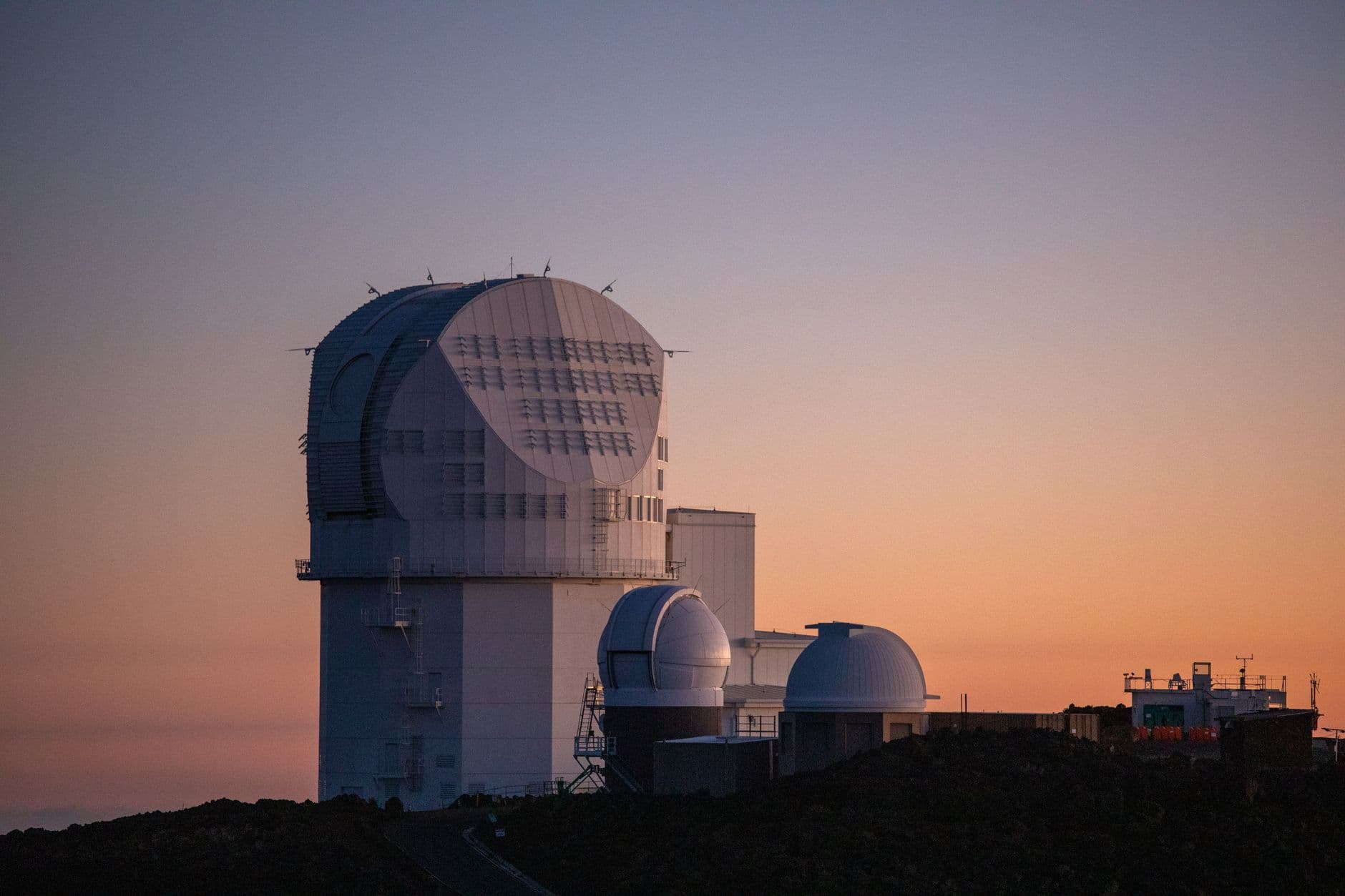
Photo by Newman Photographs on Pexels
The difference is that we are watching GJ 9827 d do this in real-time with the James Webb Space Telescope. Webb looked at this planet, which radiates at a toasted 350 degrees Celsius, and detected the distinct chemical signature of water vapor. It is not an ocean planet; it is a steamed potato.
But a steamed potato is a massive upgrade from a frozen gas ball. It means the planet is geologically alive. It has a pulse, a mantle that churns, and tectonic plates that grind against each other like rusty gears. Without this internal engine, a planet is just a dead rock waiting to be hit by an asteroid. With it, you have a chemistry set that is actively trying to cook up something interesting.
Why We Are Chasing Planetary Burps
For years, the search for alien life was basically just us looking for our own reflection. We wanted a perfect Earth clone: blue oceans, nice clouds, maybe a decent local coffee shop. But the universe is not a franchise; it does not build to a template.
By focusing on "breathing" planets like GJ 9827 d, astronomers are realizing that habitability is not a static state. It is a process. We do not just need to find planets that currently have water; we need to find planets that have the plumbing to move water from the inside to the outside.
- The Gas Giants are Useless: Jupiter and Saturn are just hoarding gas they stole 4.5 billion years ago. They do not recycle. They do not participate. They are the billionaires of the solar system.
- Rock is Where the Action Is: A planet needs a solid surface to have tectonics, and it needs tectonics to keep its carbon cycle moving.
- Heat is the Engine: You need a hot core to keep the volcanic vents open, even if it means the surface is hot enough to melt your boots.
This shifts the entire search grid. We are no longer just looking for quiet, peaceful planets where we could pitch a tent. We are looking for noisy, violent, chaotic rocks that are actively throwing up on themselves. It turns out that the messier the planet, the higher the chance that something interesting might eventually crawl out of the mud.
What This Actually Means
We are not going to colonize GJ 9827 d. Let us get that out of the way. At 350 degrees Celsius, your lungs would turn to steam before you could even complain about the gravity. It is not a backup Earth; it is a laboratory.
What this discovery proves is that the transition from a useless gas giant to a rocky, active world is not a freak accident unique to our solar system. The plumbing works elsewhere. If a planet 97 light-years away can lose its atmosphere and just grow a new one out of sheer tectonic stubbornness, then the universe is likely crawling with worlds that are currently self-ventilating.
We are looking at a universe that is not dead and static, but one that is constantly exhaling. We just had to learn how to smell the exhaust.
Quick Answers
Can humans breathe the atmosphere on GJ 9827 d?
Absolutely not, unless your idea of a deep breath involves inhaling superheated steam and volcanic sulfur at temperatures that would instantly cook a pizza.
How did we even see this atmosphere from 97 light-years away?
We used the James Webb Space Telescope to watch the planet pass in front of its star, filtering the starlight through the planet's atmospheric haze to read its chemical barcode.
Does this mean there is life on the planet?
No, but it means the planet possesses the active geological engine required to create the chemical building blocks that life eventually uses to get started.