NASA spent $10 billion building the James Webb Space Telescope. They put it in a cleanroom where humans had to wear suits that made them look like giant, sterile marshmallows. If a single speck of dust so much as glanced at the mirror, the whole mission was compromised. Meanwhile, a Commodore 64 has spent thirty years marinating in the industrial runoff of a canal in Manchester, wedged between a discarded shopping trolley and a boot, and it still works.
We have been lied to about the fragility of technology. We buy padded sleeves for our laptops. We panic if a drop of rain touches our smartphones. Yet, a growing sub-genre of absolute maniacs—let’s call them "underwater silicon archaeologists"—are pulling 8-bit computers out of urban waterways, scraping off the canal barnacles, and playing Pac-Man on them. It turns out that the cheap, chunky plastic of the late 20th century is essentially immortal.
The Sludge is a Protective Shield
When you drop an iPhone in the toilet, it dies instantly because it has feelings and a sense of drama. When you drop a 1984 Amstrad CPC 464 into a canal, the canal mud immediately seals it in an anaerobic tomb. This is the exact same process that preserves woolly mammoths in Siberian permafrost, except instead of a majestic prehistoric beast, we are preserving a machine that runs at 4 megahertz and has a tape deck.
Because there is no oxygen in the deep, dark muck of a city canal, the metal pins on the microchips don't rust. They just sit there, pickled in a brine of old engine oil, discarded bicycles, and whatever mystery liquid comes out of the local breweries.
Once you pull the computer out, you don't even need high-tech lab equipment to clean it. You don't need a cleanroom. You need a garden hose, a bottle of cheap isopropyl alcohol, and maybe a toothbrush you are willing to throw away immediately afterward. You scrub off thirty years of algae, dry it with a hair dryer, and boom—you are programming in BASIC again.
Voyagers of the Canal Bed
Compare this to space exploration. The Voyager 1 probe is currently flying through the interstellar void, screaming into the silence of space, slowly losing power because its plutonium battery is dying. It is a triumph of human engineering. But Voyager has never had to survive a Friday night in Leeds. It has never had a pint of lager spilled directly into its floppy disk drive.

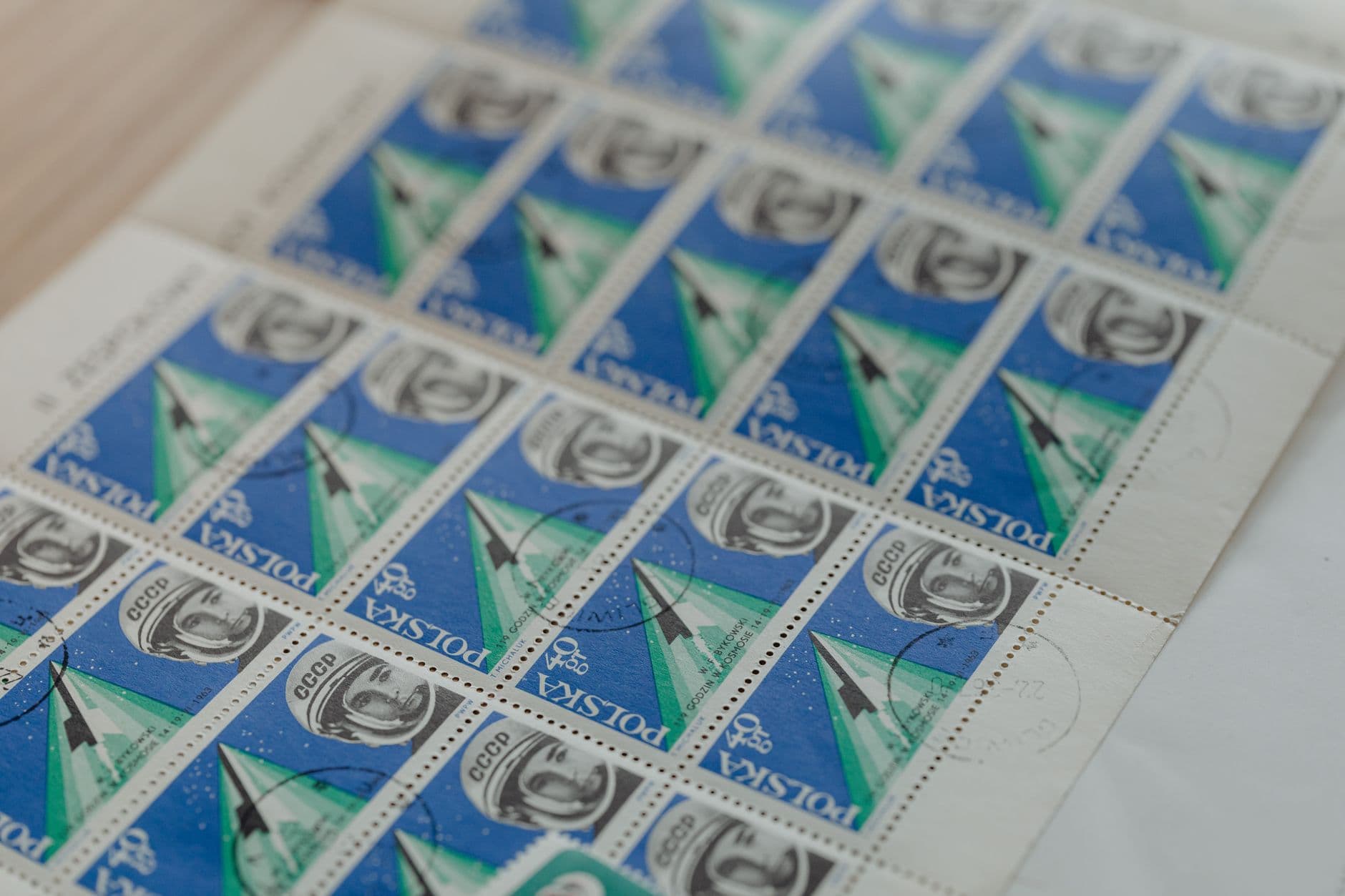
Photo by mali maeder on Pexels
If we want our space probes to last forever, we should stop building them out of titanium and carbon fiber. We should build them out of the exact same plastic they used to make the Sinclair ZX Spectrum. That stuff doesn't decay. If you launched a ZX Spectrum into deep space, it would survive a collision with an asteroid, enter the atmosphere of Venus, land in an ocean of sulfuric acid, and still be capable of loading Jetpack if you gave it five minutes to align the cassette tape.
We are looking for signs of alien life using massive radio telescopes that get thrown off by microwave ovens. We should just be throwing old computers into rivers and waiting for the future to dig them up. It is a much cheaper archiving system.
The Ultimate Cockroach of Technology
There is a specific, beautiful stupidity to 1980s hardware engineering. The chips are massive. You can actually see the traces on the circuit boards with your bare eyes, unlike modern chips where the transistors are the size of a virus's eyelash. Because everything is so spread out, a short circuit from a bit of leftover canal water doesn't kill the system. The electricity just shrugs and finds another way around.
It makes you realize that our current technology is incredibly coddled. Your smart watch needs a software update every Tuesday or it forgets how to count your steps. A rescued Atari 800 doesn't care about updates. It has been asleep in the mud since the Berlin Wall fell, and the moment it gets 5 volts of electricity, it immediately remembers exactly how to be an Atari.
This isn't just hobbyism anymore; it is a genuine historical revelation. We spent decades thinking we needed to preserve our digital heritage in climate-controlled vaults with white-glove service. It turns out the best archive in the world is just the bottom of the Regent's Canal.
What This Actually Means
We need to recalibrate our relationship with the things we build. We are currently trapped in a cycle of planned obsolescence, buying fragile glass rectangles that shatter if they look at a concrete floor too hard. The underwater silicon archaeologists are proving that we once knew how to build things that could survive the apocalypse.
If a society's advancement is measured by the durability of its artifacts, the 1980s might be the peak of human civilization. Thousands of years from now, when the pyramids have crumbled to dust and the satellites have burned up in the atmosphere, some future archaeologist is going to dig up a muddy swamp in Ohio.
They won't find our cloud servers or our digital photos. They will find a grey plastic box with a rainbow stripe on it. They will plug it in, and they will play Space Invaders. And they will wonder how a species so brilliant could ever have gone extinct.
Quick Answers
Does canal water actually preserve electronics?
Yes, if the device gets buried in deep, oxygen-poor mud quickly. The lack of oxygen prevents the copper and solder from oxidizing, effectively freezing the hardware in time.
Can I do this with my dropped smartphone?
Absolutely not. Modern smartphones are packed so tightly that even a microscopic amount of corrosion will bridge two connections and fry the processor instantly.
What is the weirdest thing recovered so far?
An entire arcade cabinet was pulled from a canal in France, and after a thorough cleaning and a new power supply, the monitor fired right back up to the high-score screen.