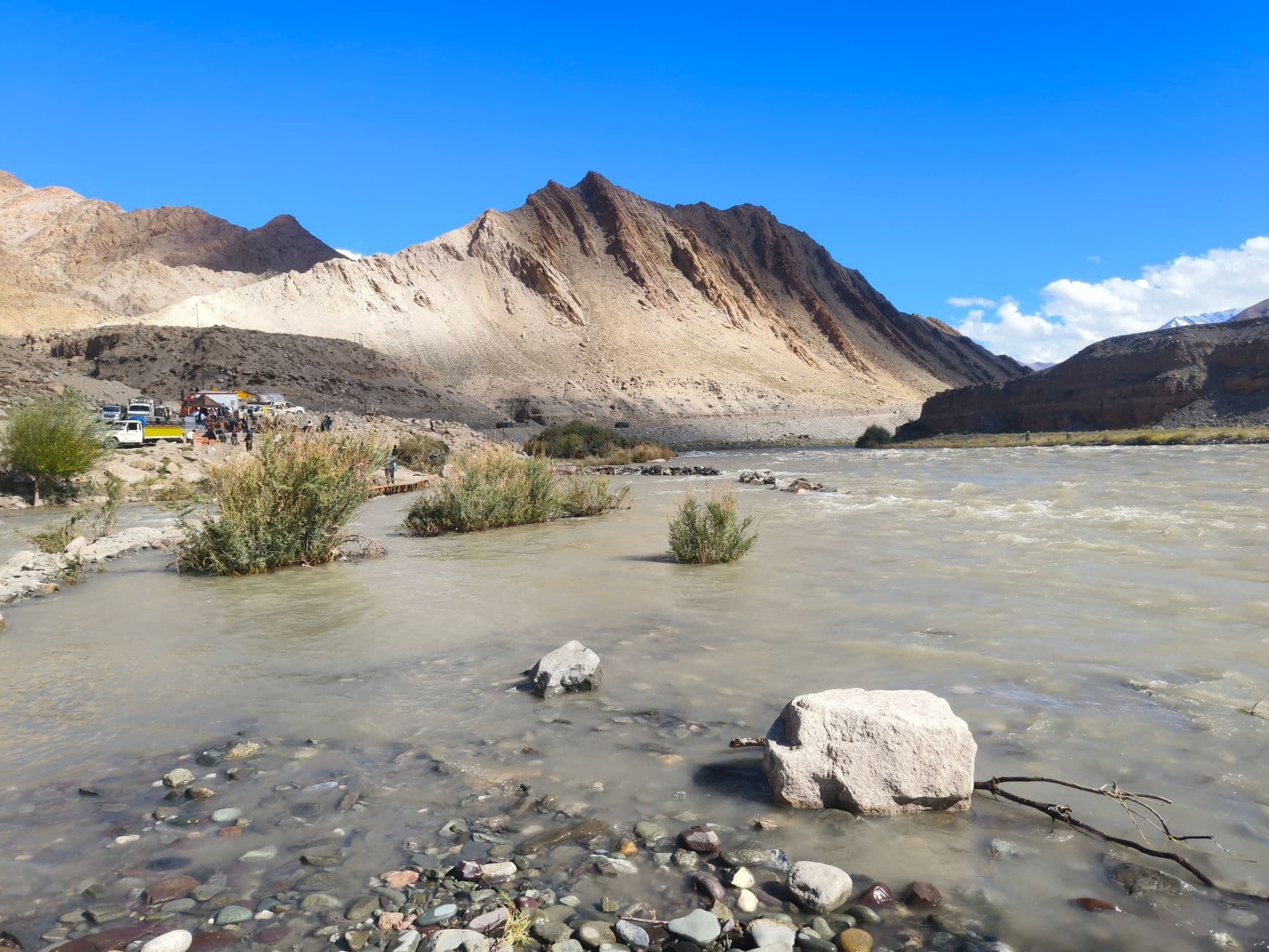
I spent yesterday afternoon looking at satellite images of the Karakorams and the Himalayas, trying to comprehend the sheer scale of the Hindu Kush Himalaya region. Climatologists call it the Third Pole because it holds more freshwater ice than anywhere on Earth outside the polar regions. Now, imagine living in a place where your entire existence is dictated by the precise timing of that ice melting, and suddenly, the rhythm stops.
That is the reality driving Sonam Wangchuk—an engineer famous for inventing solar-heated mud huts and artificial ice stupas—to survive on water and salt for three weeks in the freezing temperatures of Leh. He was not demanding a tax break or a seat in parliament. He was asking for the Sixth Schedule of the Indian Constitution, a provision that allows indigenous regions to govern their own land. It makes you wonder: when did environmental conservation become synonymous with constitutional sovereignty?
The Gravity of the Water Towers
To understand why an innovator would stop eating, you have to look at the water. The glaciers of the Third Pole feed ten major river systems, including the Indus, the Ganges, and the Yangtze. This is the primary water source for roughly 1.4 billion people.
But the ice is disappearing. Studies show Himalayan glaciers could lose up to 75% of their volume by 2100 if global warming isn't kept under 1.5 degrees Celsius. In Ladakh, where the annual rainfall is a meager 100 millimeters, agriculture is entirely dependent on glacier runoff.
What happens when the natural reservoirs melt too fast, flood the valleys, and then vanish entirely? Wangchuk’s protest suggests that local communities have realized they cannot rely on distant federal governments to manage this crisis. They want local veto power over industrial mining and tourism projects that threaten to accelerate the dust and soot deposits on the ice, which causes it to melt even faster.
Sovereignty as an Ecological Shield
This is where the story shifts from a local protest to a fascinating new template for global activism. Historically, indigenous sovereignty movements have been fought over cultural preservation or historical treaty rights. In Ladakh, the fight is ecological.
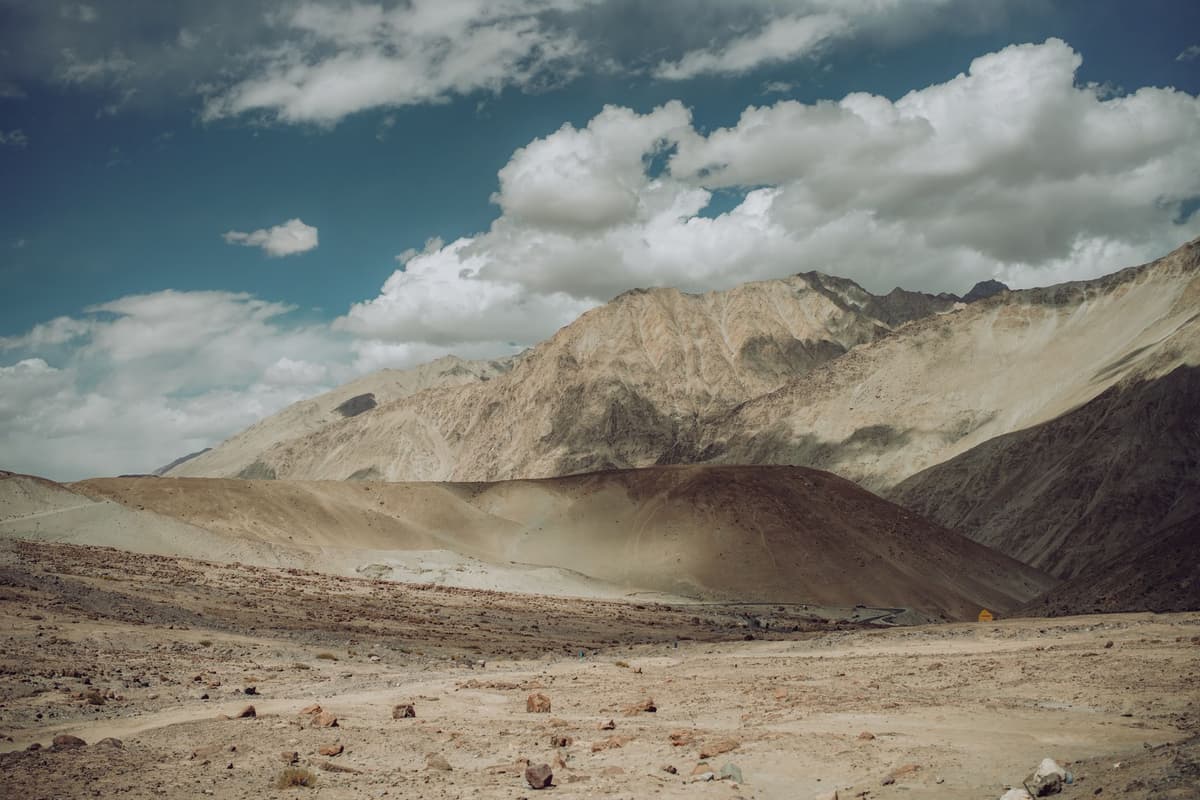
Photo by Imad Clicks on Pexels
By demanding Sixth Schedule status, Ladakhis are essentially trying to build a legal fortress around their glaciers. They are arguing that local, decentralized decision-making is the only way to prevent rapid industrial encroachment. It is a highly pragmatic form of self-defense. If a multinational corporation wants to build a massive solar park or a mining operation on a fragile pasture, the local hill council wants the legal right to say no.
It makes me wonder if we are entering an era where ecological preservation cannot exist without political autonomy. Can a centralized government, managing a nation of 1.4 billion people, ever truly prioritize the micro-climatic needs of a high-altitude desert?
- Centralized governments prioritize energy security and national GDP.
- Local communities prioritize the immediate water supply of their valleys.
- The legal friction between these two realities is where the future of climate adaptation will be decided.
The Paradox of the Green Transition
There is a bitter irony at the heart of the Ladakh crisis. Some of the industrial projects slated for the region are actually "green" energy initiatives, including a massive 13-gigawatt renewable energy project designed to transmit clean power to India's industrial hubs.
This creates a profound philosophical paradox. Is it acceptable to compromise the delicate ecology of a fragile mountain ecosystem in the name of saving the planet from carbon emissions? Who bears the cost of the global green transition?
Wangchuk’s hunger strike forces us to look at the collateral damage of our climate solutions. If we destroy the local ecosystems of the Third Pole to build solar panels for distant cities, we have solved one problem by creating an existential water crisis for millions of people. It is a puzzle with no easy answers, and it requires us to think about scale in a completely different way.
What This Actually Means
We are witnessing the birth of high-altitude environmentalism. This is a movement where the traditional boundaries between engineering, politics, and survival have completely dissolved. When an engineer who spent his life building practical climate solutions decides that his most effective tool is a hunger strike, it means the technical solutions are no longer enough. The bottleneck is political.
If Ladakh succeeds in securing constitutional protections based on ecological vulnerability, it sets a massive precedent. We might see similar movements in the Andes, the Alps, or the Rocky Mountains—regions where local populations realize that their water security is being traded away for national economic interests.
Ultimately, Wangchuk’s fast is a reminder that the climate crisis is not a future projection. It is a current, physical reality that is rewriting the rules of law, governance, and human survival on the roof of the world.
Quick Answers
Why did Sonam Wangchuk go on a hunger strike?
He fasted to demand statehood for Ladakh and its inclusion under the Sixth Schedule of the Indian Constitution, which would grant the region local legislative autonomy to protect its fragile environment from unregulated industrial exploitation.
What is the Third Pole and why does it matter?
The Third Pole refers to the Hindu Kush Himalaya region, which contains the largest concentration of frozen water on Earth outside the polar regions. It supplies fresh water to over 1.4 billion people across Asia.
How does industrialization affect Himalayan glaciers?
Industrial activities, tourism, and military infrastructure introduce dust and black carbon (soot) onto the snow. This darkens the surface, causing the glaciers to absorb more heat and melt at an accelerated rate.