Feeding the 2026 FIFA World Cup is an logistical nightmare that doubles as a moral gamble. As stars like Folarin Balogun prepare to lead the US Men’s National Team across three nations, the infrastructure behind the scenes is pivoting toward a radical goal: proving that industrial-scale beef consumption is compatible with a warming planet. This isn't about small-scale organic farming; it is a massive pilot for 'regenerative' and 'low-methane' supply chains designed to sustain millions of spectators in stadiums from Mexico City to Vancouver.
We are witnessing a high-stakes collision between the reality of climate science and the necessity of corporate optics. If FIFA and its partners succeed, they provide a blueprint for a sustainable meat industry. If they fail, they have merely constructed the most expensive greenwashing campaign in human history. The stakes are too high for half-measures, and the data suggests that 'climate-smart' burgers may be an uphill battle against the laws of thermodynamics.
The Math of Methane and Grass
The central premise of this initiative rests on regenerative grazing, a method where cattle are rotated across pastures to mimic natural herd movements. Proponents argue this process sequesters carbon back into the soil, potentially offsetting the methane emitted by the animals. It is a compelling narrative, but the scale required for a World Cup is staggering. Current estimates suggest that global livestock produces roughly 3.1 gigatonnes of CO2 equivalent per year. To neutralize even a fraction of this for a month-long tournament requires a precision in soil management that has never been achieved at this volume.
Data from the University of Oxford’s FCRN report indicates that while regenerative grazing can sequester some carbon, it typically reaches a 'steady state' after a few decades, after which no more carbon is stored. Furthermore, the methane produced by the cattle—a greenhouse gas 80 times more potent than CO2 over a 20-year period—often outweighs the carbon storage gains. FIFA is betting on a very specific, optimized version of biology that rarely survives the messiness of a global supply chain.
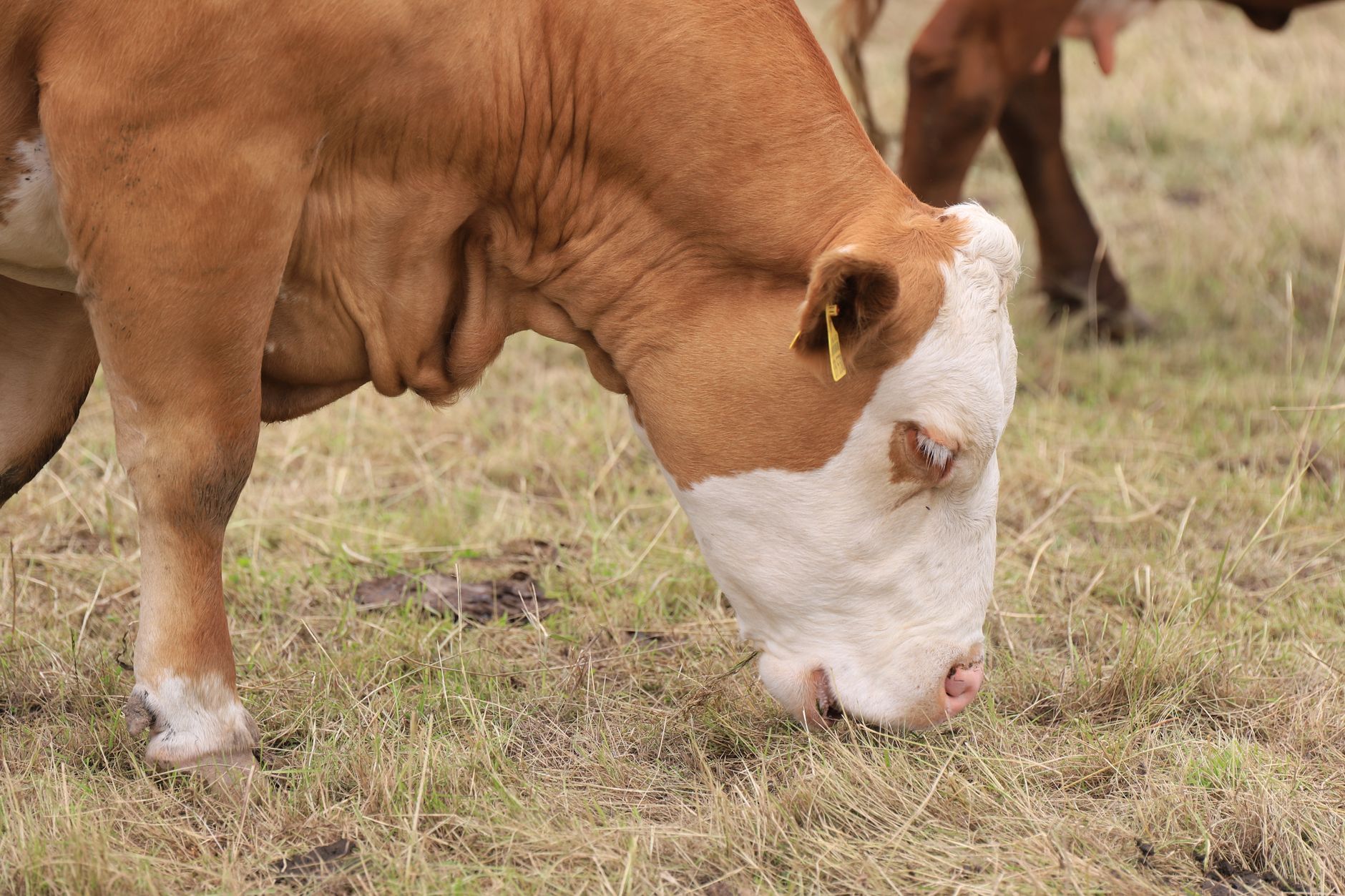
Photo by Christina & Peter on Pexels
The Supply Chain Illusion
Moving beef across three countries—the United States, Canada, and Mexico—introduces a secondary layer of emissions that regenerative farming cannot solve. The logistics of the 2026 tournament involve 16 host cities. When we talk about 'carbon-neutral' beef in this context, we must account for the cold-chain storage and the massive transport fleets required to move perishable goods across thousands of miles. A burger raised on a regenerative ranch in Montana loses its climate-smart credentials the moment it is flown or trucked to a stadium in Guadalajara.
There is also the issue of verification. In an industry where 'natural' and 'sustainable' have been rendered meaningless by marketing, the World Cup requires a rigorous, third-party auditing system to ensure these supply chains are legitimate. Without transparent, real-time data on soil carbon levels and methane capture, the 'low-methane' label is just a sticker on a cardboard box. We have seen carbon credit markets fail before due to lack of oversight; applying that same flawed logic to our food system is a recipe for disaster.
The Risk of Legitimizing Excess
Perhaps the most serious concern is that this initiative provides a moral license for unsustainable consumption patterns. By labeling beef as 'carbon-neutral,' the World Cup organizers might be discouraging the very dietary shifts that climate scientists say are mandatory. The IPCC has been clear: a significant reduction in meat consumption in high-income nations is one of the most effective levers we have to stay under 1.5 degrees Celsius of warming.
If fans believe their burger is helping the planet, the pressure to innovate toward plant-based or lab-grown alternatives evaporates. This experiment risks freezing the status quo in place under the guise of progress. We are essentially trying to engineer a way to keep eating the way we always have, rather than confronting the fact that the 21st-century climate cannot support 20th-century diets. Innovation is necessary, but it shouldn't be used as a shield against uncomfortable systemic changes.
What This Actually Means
The 2026 World Cup will either be remembered as the moment the meat industry found its soul or the moment greenwashing reached its final, most sophisticated form. If FIFA can provide verifiable, transparent proof that their supply chain actually sequestered more carbon than it emitted, they will have achieved a legitimate agricultural breakthrough. This would change how we think about food security and land use globally.
However, skepticism is the only rational response until that data is made public. We cannot afford to let the spectacle of sport distract us from the rigor of science. The USMNT and their international peers will be playing on the pitch, but the most important results will be found in the soil samples and the methane sensors behind the concession stands. We are running out of time for marketing wins; we need actual carbon victories.
Quick Answers
Is carbon-neutral beef actually possible?
Technically, yes, if soil sequestration perfectly offsets methane and transport emissions, but it is extremely difficult to achieve and maintain at a commercial scale.
What makes beef 'low-methane'?
It usually involves specific feed additives, like seaweed or synthetic supplements, that inhibit the enzymes in a cow's gut responsible for producing methane gas.
Why is the 2026 World Cup the test case?
The sheer size of the event—spanning three countries and millions of meals—provides a unique environment to see if these niche agricultural practices can survive a mass-market rollout.