I keep thinking about how we define a safe country. For a long time, it was about oceans, treaties, and the sheer size of a standing army. Then it became about cyber warfare capabilities and the strength of your financial firewalls. But over the last few months, a different kind of border has been quietly under construction, and it is being built by researchers in London and California rather than generals in Pentagon briefing rooms.
When Google DeepMind’s AlphaFold 3 launched, the conversation was predictably filled with awe about molecular biology. We marveled at the tool's ability to predict the structures of proteins, DNA, and RNA with unprecedented accuracy. But if you look past the laboratory benches, you start to see a massive geopolitical shift. The emerging alliance between advanced AI labs, Isomorphic Labs, and international biosecurity frameworks is creating something we might call "bioresilience." I want to understand what happens to the world when your national survival depends on whether you have the compute power to simulate a vaccine in forty-eight hours.
The Shift From Stockpiles to Simulations
During the 2020 pandemic, the global hierarchy was brutally simple. If you owned the factories that bottled the mRNA vaccines, you were at the front of the line. If you did not, you waited in a long, desperate queue, relying on the charity of wealthier nations. It was a classic, physical bottleneck. You needed glass vials, cold-chain logistics, and physical chemical precursors.
What happens when that entire bottleneck moves into the cloud? The goal of the new biosecurity alliance is to build predictive defense systems that can identify engineered pathogens and model countermeasures before a virus even leaves a lab. Isomorphic Labs is currently working on translating DeepMind's raw scientific breakthroughs into a pipeline for rapid drug design.
This is not just faster science; it is a fundamental shift in defense strategy. We are moving from a model of physical stockpiling to one of digital readiness. In theory, a country with access to these AI models does not need to keep millions of physical doses of a vaccine on hand. They just need the digital blueprint, ready to be printed on demand. But this raises a fascinating problem: who holds the keys to the printer?
The New Class of Sovereign Tech
Historically, sovereign capabilities were things like nuclear deterrents or GPS satellite networks. Today, biological sovereignty is looking like the next entry on that list. If you cannot run your own advanced biomolecular simulations, you are functionally a client state to the nations that can.
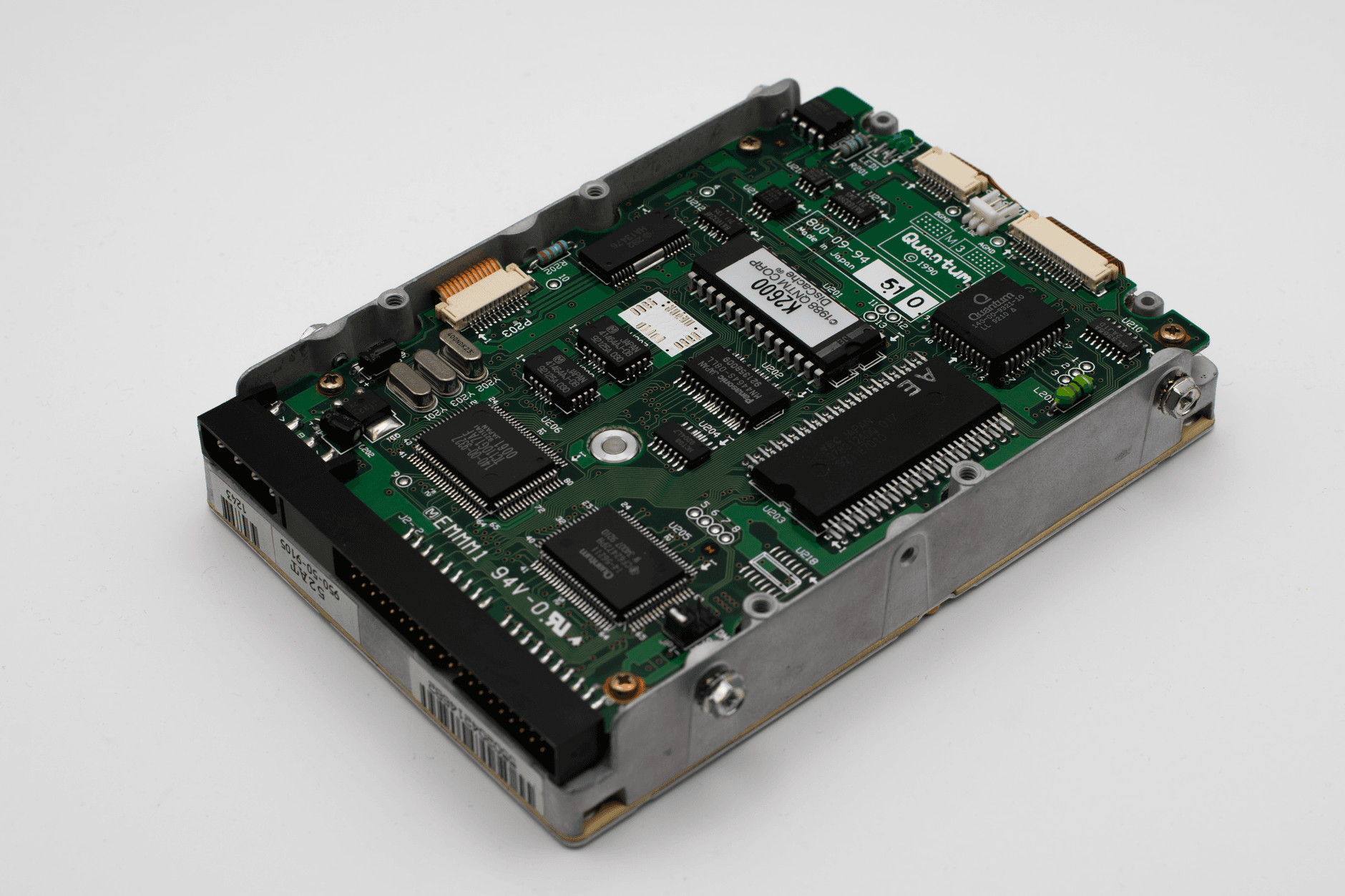
Consider the sheer computational cost of these systems. Training a model like AlphaFold or the proprietary drug-discovery platforms at Isomorphic Labs requires tens of millions of dollars in specialized silicon chips. In 2023, the global supply of high-end AI chips was so tight that nations were actively hoarding them like strategic oil reserves.
- The United States and its allies have placed strict export controls on advanced semiconductors.
- A handful of private tech companies hold the exclusive intellectual property for the most advanced biological design tools.
- Most developing nations lack the domestic data center capacity to run these models independently, even if the code were open-source.
This is where my curiosity gets a little uncomfortable. If a country is entirely dependent on a foreign tech company’s cloud infrastructure to defend itself against a novel pathogen, does that country actually possess public health sovereignty? Or have they outsourced their national immune system to a corporate board in Mountain View?
Dual-Use Diplomacy in the Dark
There is a term in international relations called "dual-use technology." It refers to things that can be used for both peaceful and military purposes. Nuclear energy is the classic example. A nuclear reactor can power a city, or it can be enriched to level one.
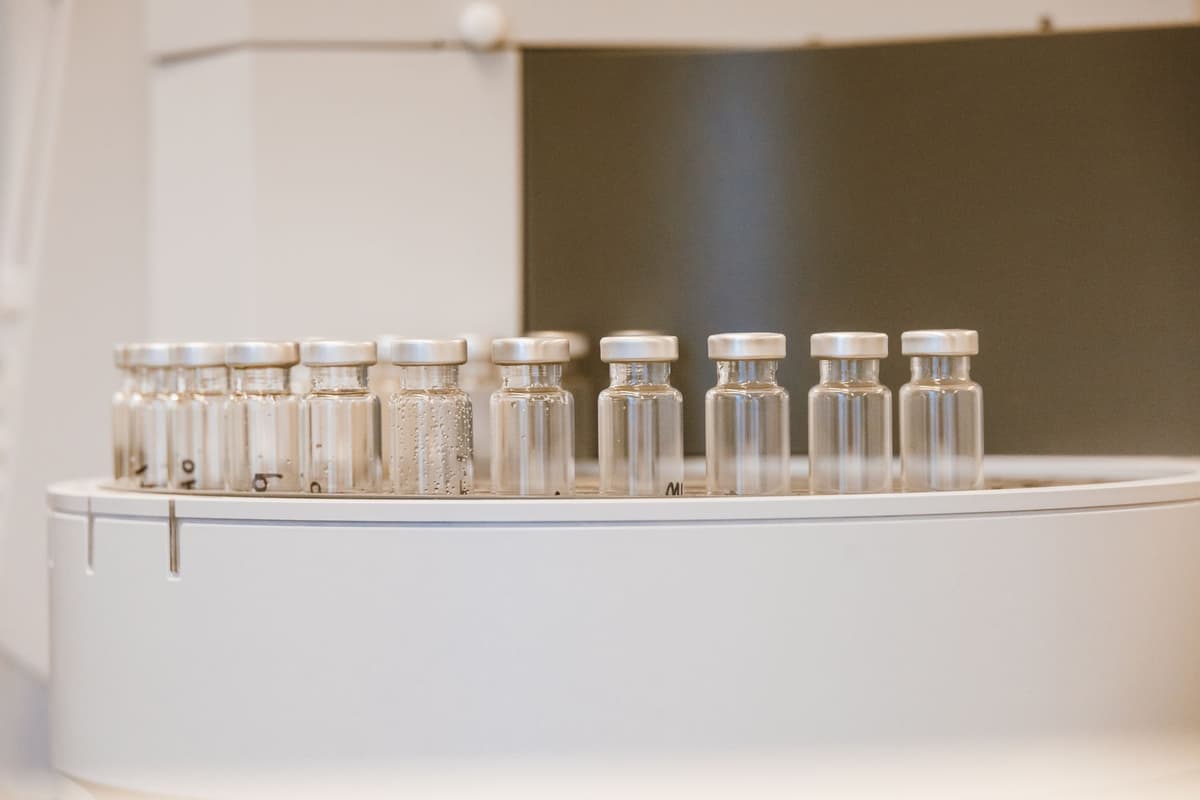
Photo by Jess Loiterton on Pexels
Advanced AI drug discovery tools are the ultimate dual-use technology. The exact same model that predicts how to block a toxic protein can also be inverted to design a more stable, more lethal aerosolized toxin. Because of this, the collaboration between AI labs and global health security frameworks is shrouded in extreme caution. We are seeing the rise of a new kind of "closed-door" diplomacy.
I wonder how diplomatic negotiations will change when the primary currency is no longer wheat or weapons, but access to biological API keys. Will we see defensive alliances formed not on geographic proximity, but on shared access to a specific protein-folding database? It seems entirely plausible that a future treaty might involve a nation trading its mineral rights in exchange for real-time access to an AI-driven pandemic early warning system.
What This Actually Means
We are witnessing the end of traditional, slow vaccine diplomacy and the beginning of a highly unequal era of computational biosecurity. The gap between the "compute-rich" and the "compute-poor" is about to become a literal matter of life and death on a scale we haven't yet reckoned with.
This is not a conspiracy; it is the natural consequence of combining cutting-edge computer science with national security. The intentions behind these biosecurity alliances are genuinely noble—protecting humanity from catastrophic biological threats is an absolute priority. But the structural outcome is a world where a tiny handful of corporate and state actors hold the ultimate veto power over global health.
As we watch these platforms develop, we need to ask ourselves whether we are comfortable with a world where biological defense is privatized and centralized. The tools to save us from the next pandemic are being built right now. But the map of who gets saved is being drawn by the distribution of server farms, and that map looks incredibly uneven.
Quick Answers
What is biological sovereignty in the age of AI?
It is the independent ability of a nation to digitally model, simulate, and design countermeasures against biological threats without relying on foreign proprietary software or cloud infrastructure.
Why is this different from traditional vaccine manufacturing?
Traditional defense relies on physical factories and supply chains, while AI-driven defense relies on computational power and proprietary data models that can design vaccines in hours rather than months.
Are these AI biological tools safe from misuse?
Because these models are dual-use, meaning they can design both cures and bioweapons, access to them is highly restricted, creating a new geopolitical barrier between nations with access and those without.