Nature is a terrible engineer. There, I said it. We spent millennia romanticizing the elegant design of the human body, but the moment you look under the hood, you realize evolution is just a tired contractor working with whatever scraps it found in the back of the truck. If you get a cold, your immune system's brilliant solution is to turn your nose into a leaky faucet and cook your brain until you hallucinate. It is the biological equivalent of fixing a leaky pipe by burning down the house.
But a quiet revolution is happening in laboratories right now that treats biology not as a sacred mystery, but as a buggy piece of legacy software. It is called de novo protein design. Instead of digging through the jungle to find a rare mold that happens to kill bacteria, scientists are sitting at computers, opening up a blank document, and typing out entirely new proteins that have never existed in the history of the universe. We are officially editing the source code of reality, and we have no idea what we are doing, which is the most human way to innovate.
The Ultimate 3D Tetris with Carbon Atoms
To understand why this is insane, you have to understand what a protein actually is. You probably think of it as a chalky powder you shake into oat milk after doing three pushups. In reality, proteins are the microscopic robots that do literally everything inside you. They digest your food, copy your DNA, and fight off invaders.
For decades, trying to make a new medicine was like rummaging through a giant bucket of random Lego bricks, hoping two pieces would accidentally click together. This is because proteins are made of chains of amino acids that fold themselves into mind-bogglingly complex 3D shapes. If you get the fold wrong by even a nanometer, the protein stops being a miracle cure and starts being useless sludge.
Now, thanks to computational breakthroughs like RoseTTAFold and various AI models that basically act as extremely fancy spellcheckers for biology, we can design these shapes on a screen. If a disease has a lock, we don't search the earth for a key anymore. We just print one out. It is like playing 3D Tetris, except if you lose, you don't get a high score; you get a cure for a previously untreatable cancer.
The 'Undruggable' Are Getting Drubbed
In the medical world, there is a depressing category of targets known as "undruggable." These are the villains of human biology—proteins with smooth, featureless surfaces that traditional medicines cannot grip onto. They are the greased pigs of oncology. You try to throw a molecule at them, and it just slides right off.
Photo by cottonbro studio on Pexels
With synthetic design, scientists are basically building custom molecular handcuffs. In 2023, researchers designed synthetic proteins that could bind tightly to the influenza virus and neutralize it. They didn't find this in a plant; they calculated it. They looked at the virus, saw a microscopic crevice, and designed a custom-shaped protein wedge to jam right into it.
We are talking about treating diseases by writing software. You compile the code, you order the DNA sequence from a company that ships it to you in a tiny vial of clear liquid, and you inject it. If the code has a bug, you don't get a blue screen of death; you just iterate the sequence and try again next Tuesday. It makes the entire pharmaceutical industry look incredibly slow and sweaty.
Nature is About to Get Sued for Copyright Infringement
Where does this leave us? Well, we are about to enter a very weird era of IP law. Can you patent a shape that God forgot to make? If I design a protein that digests plastic and smells like strawberries, do I own the rights to that smell?
- The Good: We can design targeted therapies that only attack cancer cells, leaving healthy tissue completely untouched. No more chemo sickness.
- The Weird: We can build molecular sensors that light up when they detect toxic chemicals in your bloodstream, essentially giving you a dashboard light for your liver.
- The Chaotic: Someone is absolutely going to try to design a protein that makes human sweat smell like Axe Body Spray, and we will have to ban them under the Geneva Convention.
We are transitioning from discovery to creation. We aren't beachcombers looking for shells anymore; we are glassblowers. The implications are staggering, slightly terrifying, and deeply humbling for Mother Nature, who has been resting on her laurels since the Cretaceous period.
What This Actually Means
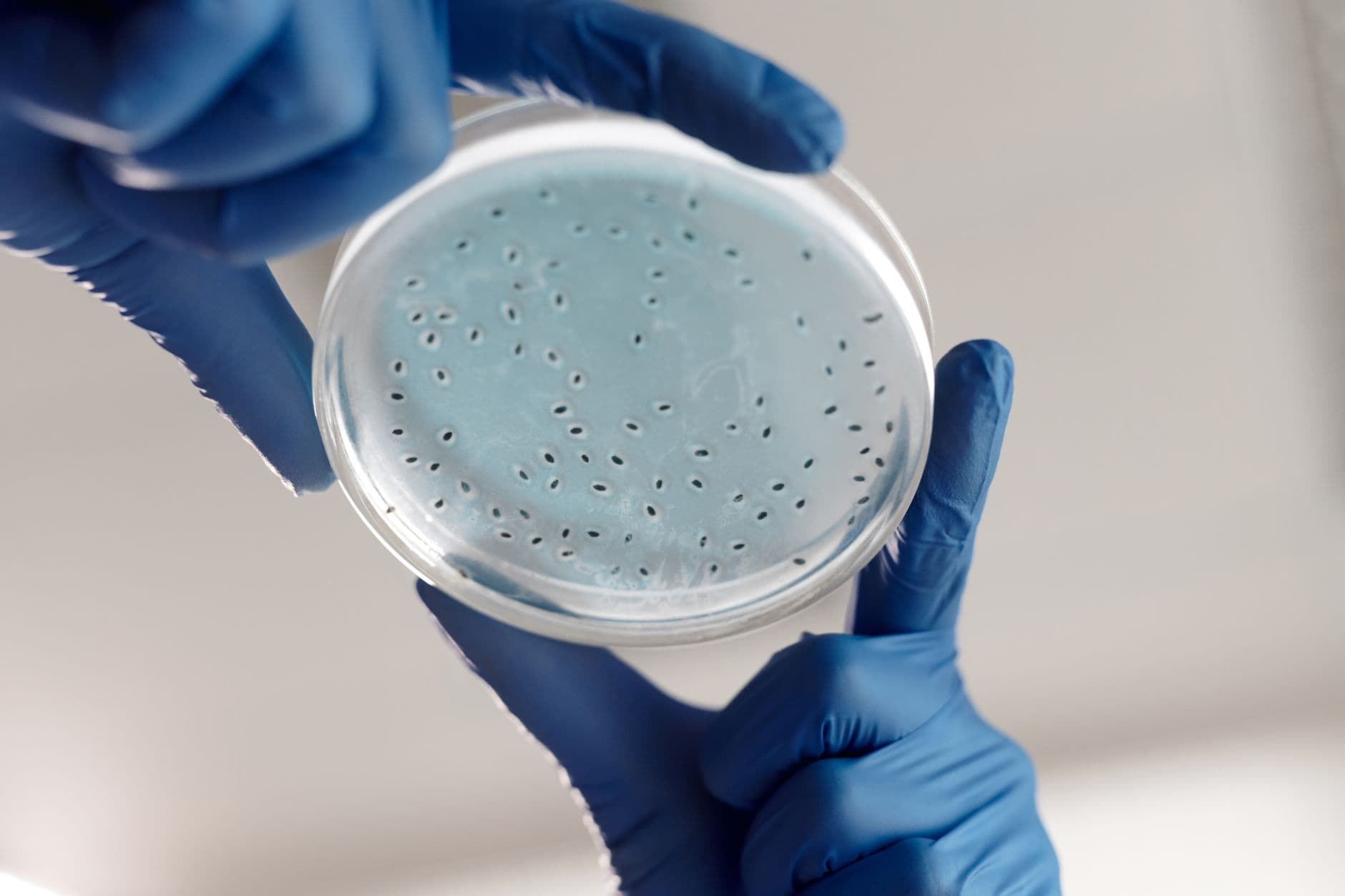
This shift means the bottleneck in medicine is no longer clinical serendipity. We used to rely on a scientist accidentally dropping bread mold into a petri dish to discover penicillin. Now, the bottleneck is purely computational power and our own imagination.
We are going to see a massive influx of software engineers realizing they can make way more money—and feel much more like sci-fi villains—by hacking biology instead of building ad-delivery algorithms. The same kid who optimized your food delivery app might soon be optimizing the protein that keeps your arteries clear.
Ultimately, we are taking the steering wheel of our own evolution. It is a massive responsibility, and we will undoubtedly mess it up a few times. But compared to the chaotic, random system of natural selection we've been relying on, a little human engineering is a welcome upgrade. Just make sure to back up your DNA to the cloud.
Quick Answers
Is this basically just GMOs on steroids?
Yes, but instead of just tweaking a gene to make a tomato slightly redder, we are writing entirely new biological sentences that nature never even thought of.
How long until I can download a cure for a cold?
We are still a few years away from instant downloads, but clinical trials for custom-designed cancer vaccines and targeted protein therapies are already happening right now.
Will these synthetic proteins escape and turn us into soup?
Unlikely. These proteins are designed for highly specific environments and usually fall apart if they aren't kept in very precise laboratory conditions, making them terrible candidates for a global takeover.