Your Grave is Now a Content House
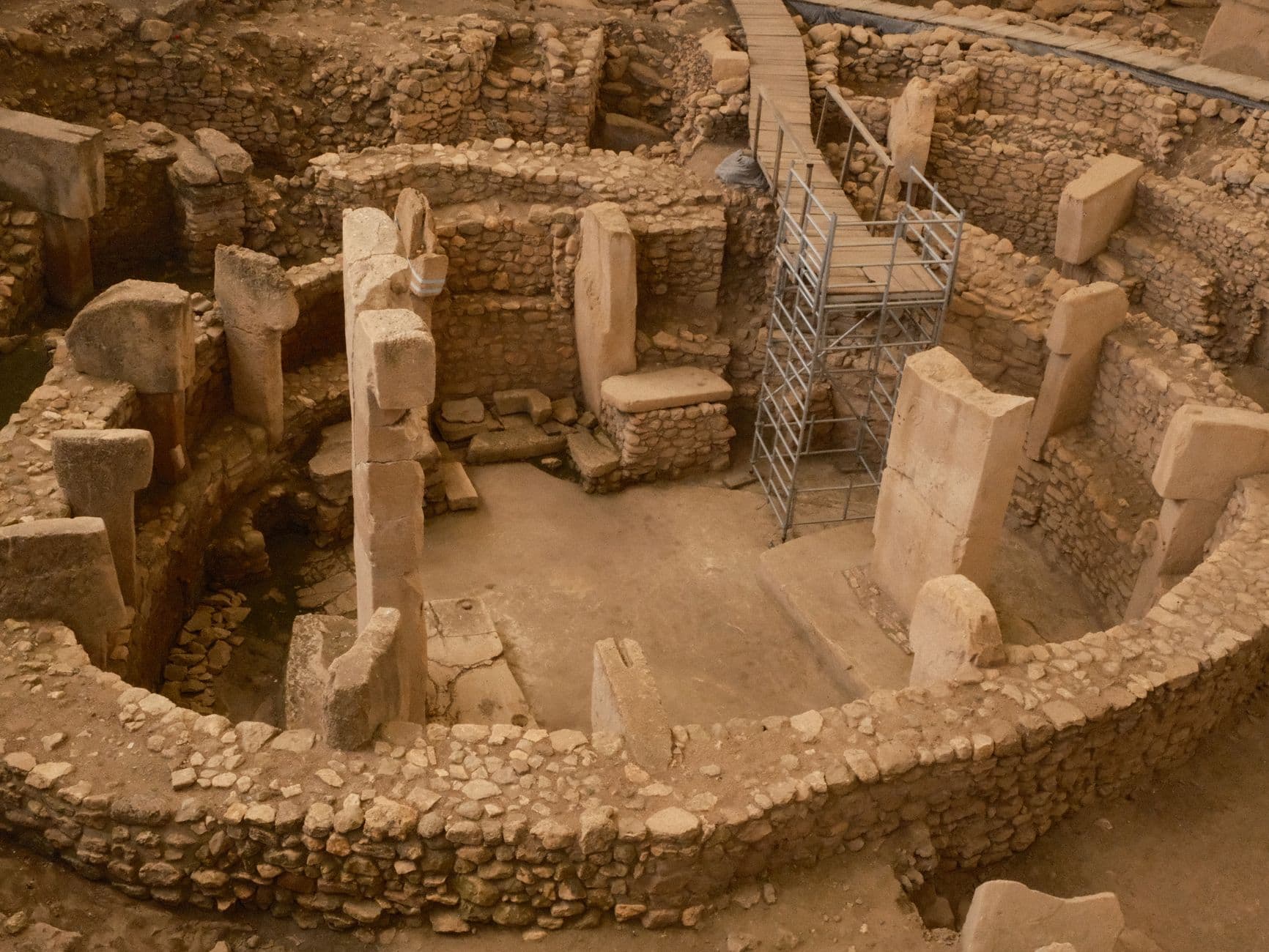
There is something deeply moving about the fact that a high-ranking Egyptian official spent his entire life preparing for a silent, stony eternity only to end up as a background asset in a travel influencer’s 'Get Ready With Me' video. We finally cracked open a sealed tomb in Saqqara, and before the dust even settled, the internet was already complaining that the lighting wasn't quite right for a Reels transition. It’s the ultimate triumph of the present over the past: we don’t want to understand history so much as we want to wear it like a digital skin.
The 'Archaeological Tourist' isn't looking for a connection to the divine or a somber reflection on the brevity of life. They are looking for a unique geotag. We have successfully turned the literal desecration of a final resting place into a premium subscription tier. If the Pharaohs knew their carefully curated journey to the Field of Reeds would eventually be interrupted by a guy named Chad trying to sell crypto through a VR headset, they probably would have just opted for a modest cremation and saved on the limestone.
The Paradox of the Haunted Pixel
We are currently witnessing a fascinating psychological split. On one hand, we are terrified of the 'Mummy’s Curse'—a concept invented by bored Victorian novelists that still manages to make us hesitate before touching a dusty sarcophagus. On the other hand, we have a compulsive need to shove a 12-megapixel camera into every crevice of a burial chamber to ensure the 'vibes' are properly documented. We want the thrill of the taboo without the actual weight of the sacred. We want to peek behind the curtain, but only if the curtain is sponsored by a VPN provider.
Photo by Towfiqu barbhuiya on Pexels
This isn't just about curiosity; it’s about the commodification of the untouchable. By turning a sealed tomb into a VR experience, we strip away the one thing that makes it interesting: the fact that it was supposed to stay closed. Once you can teleport into a burial chamber from your couch in Ohio while eating lukewarm nachos, the mystery evaporates. It’s no longer a monument to the afterlife; it’s just another level in a video game that you’ll get bored with in fifteen minutes.
- The average attention span for a 4,000-year-old discovery is currently three business days.
- VR 'tours' of these sites often cost upwards of $30, which is a steep price for looking at digital rocks.
- 85% of people viewing these sites online will never look up the actual history of the person buried there.
Digitizing the Desecration
There is a specific kind of arrogance required to believe that a livestream is a tribute. We tell ourselves we are 'democratizing history' when we scan these sites into 3D models, but we’re actually just making sure nothing is ever truly private again. Even death is no longer an escape from the surveillance state. If you were important enough to get a tomb, you are now important enough to be a permanent piece of digital infrastructure for the rest of human history. Congratulations on your promotion from 'Deceased Noble' to 'Server Data.'
We’ve replaced the 'tomb taboo' with a 'content mandate.' If a tomb is discovered and no one posts a 4K drone shot of the entrance, did it even happen? The psychological need for mystery has been entirely subverted by the dopamine hit of 'being the first to see it.' We don’t want mystery; we want spoilers. We want to know exactly what’s inside so we can categorize it, tag it, and move on to the next shiny thing that’s been buried for three millennia.
What This Actually Means
We are effectively the first generation to treat the dead as a renewable resource for entertainment. The surge in archaeological tourism isn't a sign of a more cultured society; it’s a sign of a society that has run out of things to look at on the surface and has started digging for fresh distractions. We have managed to make the eternal look like a limited-time pop-up shop.
By the time we finish digitizing every square inch of the Valley of the Kings, we won't have more knowledge. We'll just have a more expensive way to feel nothing. The paradox is that the more we 'see' through our screens, the less we actually perceive. We’ve traded the awe of the unknown for the convenience of the rendered, and in the process, we’ve made the afterlife look remarkably mundane.
If the goal of the tomb was to preserve the soul for eternity, the ancient Egyptians failed. They didn't account for the fact that their 'eternity' would eventually be chopped up into fifteen-second clips and served to a bored teenager on a bus. We aren't exploring the past; we're just looting it for pixels.
Quick Answers
Is it actually disrespectful to livestream a tomb?
Only if you consider the intentional violation of a 4,000-year-old person's final wishes to be 'disrespectful,' but in the digital age, 'likes' are generally considered a valid form of legal consent.
Does VR help preserve these sites?
It preserves the visual data while simultaneously destroying the physical site through the foot traffic of people trying to get the perfect selfie in the 'undiscovered' chamber.
Why are we so obsessed with sealed tombs?
Because it’s the only thing left in the world that hasn't been ruined by an algorithm yet, so we are rushing in to make sure that oversight is corrected immediately.