The era of the stadium as a suburban island is dead. For decades, North American sports architecture followed a predictable, soul-crushing template: a massive concrete bowl surrounded by a sea of surface parking, accessible only by six-lane arterials. The 2026 FIFA World Cup has rendered this model obsolete. With 104 matches spread across three countries, the sheer scale of human movement makes the traditional 'drive-and-park' strategy a physical impossibility. We are witnessing a high-stakes stress test of the '15-minute stadium'—the idea that a world-class venue must function as a dense, transit-integrated hub that serves a neighborhood 365 days a year, not just on match days.
Cities like Dallas and Los Angeles are facing a reckoning. FIFA’s requirements for transit connectivity and fan mobility are forcing these municipalities to accelerate decades of infrastructure work into a three-year window. This is no longer about temporary shuttle buses or painted bike lanes. It is about whether a city can sustain the density of 100,000 visitors per match day without collapsing into a gridlocked nightmare. The mandate is clear: the stadium must become a transit anchor, or the city will fail on the global stage.
The Death of the Asphalt Buffer
Surface parking is the most inefficient use of urban land in existence. In North America, the average stadium is surrounded by a buffer of asphalt that sits empty 300 days a year, creating heat islands and killing street-level economic activity. The 2026 mandate requires a radical densification of these zones. In Arlington, Texas, the challenge is staggering. AT&T Stadium sits in a transit vacuum; transforming that space into a 'fan zone' that functions as a permanent, walkable district requires more than just new sidewalks. It requires a fundamental shift in how we value the ground beneath our feet.
This shift isn't just aesthetic. It is a financial necessity. A stadium that is only accessible by car limits its own revenue potential and drains the city’s tax base. By replacing parking lots with mixed-use housing, retail, and high-frequency rail stations, cities can recoup the massive public subsidies often poured into these venues. The goal is to create a district where a person can live, work, and attend a world-class event without ever touching a steering wheel. That is the only way these projects remain viable after the final whistle blows in July 2026.
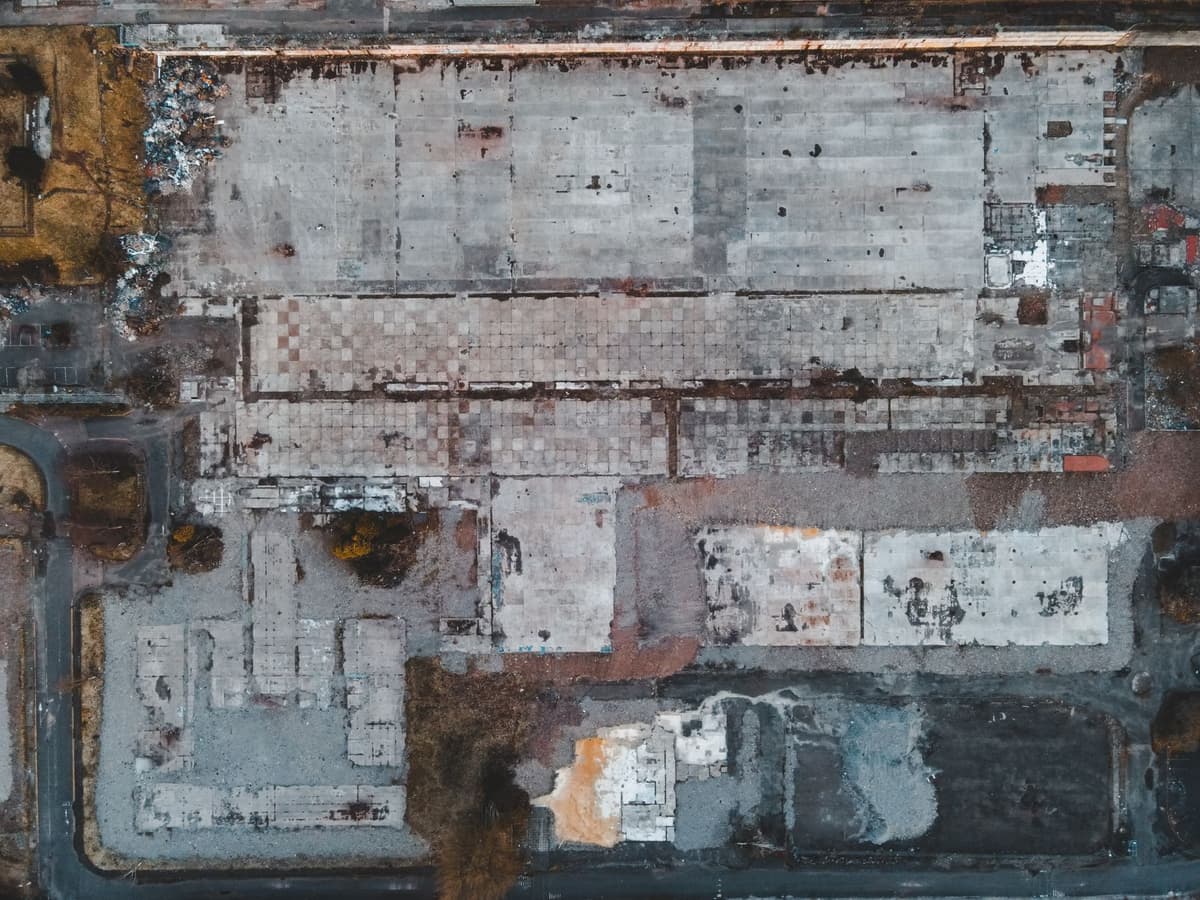
Photo by Ollie Craig on Pexels
Transit as a Non-Negotiable Foundation
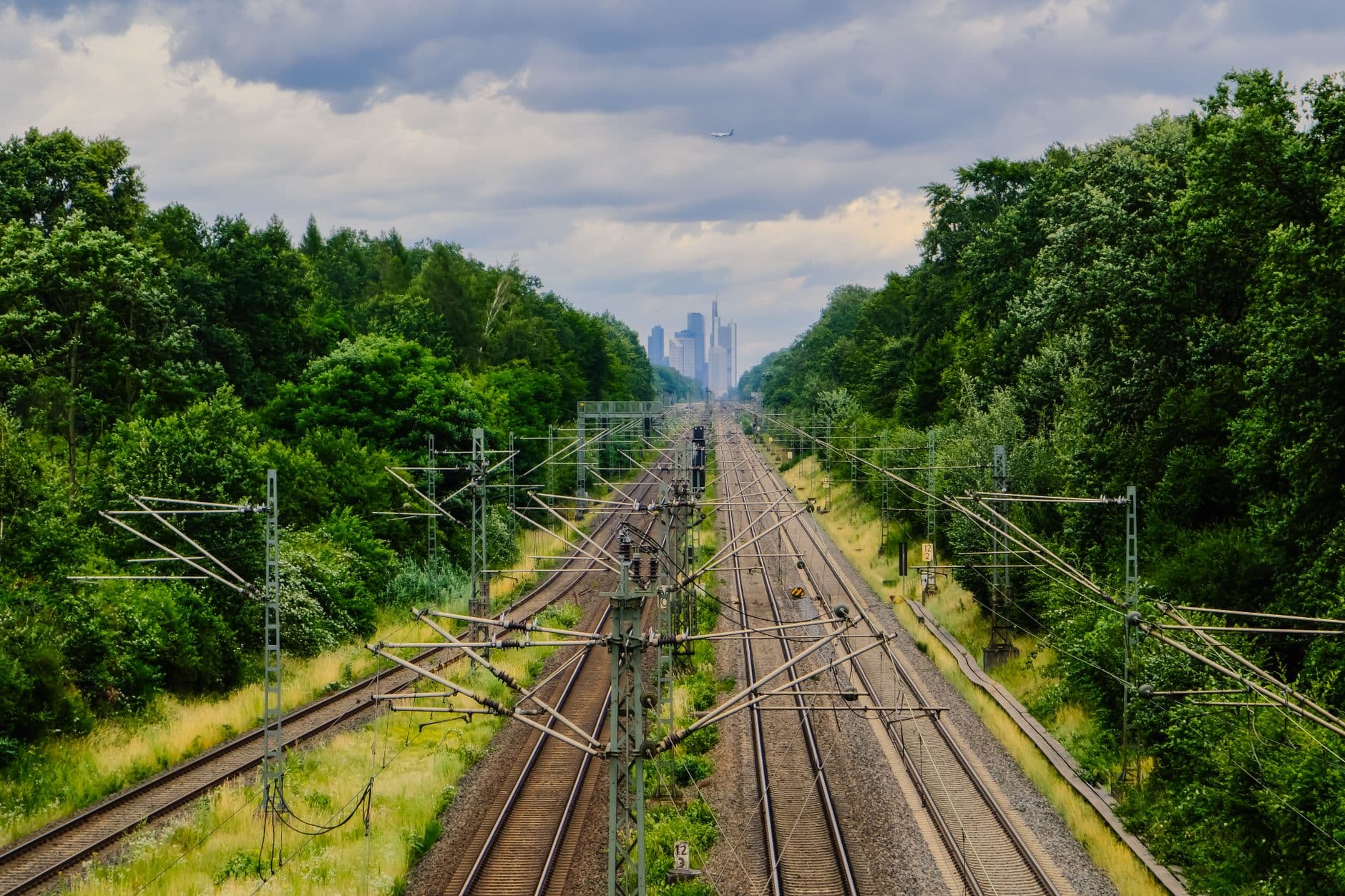
Los Angeles offers the most complex case study. SoFi Stadium is a marvel of engineering, but it was built into a landscape defined by the automobile. The Inglewood Transit Connector—a $2 billion automated people mover project—is the direct result of the pressure cooker that is the World Cup and the 2028 Olympics. This isn't a luxury; it is a survival mechanism. Without a dedicated rail link connecting the stadium to the wider LA Metro system, the venue remains a stranded asset.
We have to look at the numbers to understand the gravity of this. During a typical NFL game, traffic congestion in a three-mile radius of a stadium increases travel times by up to 250%. Now, multiply that by the international scale of a World Cup crowd, many of whom will not have cars and will expect European or Asian levels of transit efficiency. If a city cannot move 50,000 people per hour through a single transit corridor, it should not be hosting international events. The 2026 tournament is effectively forcing American cities to build the transit systems they should have built forty years ago.
Designing for the Day After
The greatest risk of the 15-minute stadium concept is the 'White Elephant'—the magnificent structure that becomes a ghost town once the circus leaves. This is why the 'fan zones' must be designed as functional neighborhoods first and event spaces second. Permanent housing must be integrated into the stadium precincts. If the infrastructure built for the World Cup—the plazas, the widened transit platforms, the high-density cooling systems—doesn't serve a local resident walking to buy groceries in 2027, then it is a failure of planning.
History is littered with Olympic parks and World Cup venues that have fallen into ruin because they were designed for a three-week peak rather than a thirty-year baseline. The cities that will 'win' 2026 are those that use FIFA’s strict requirements as a shield against local NIMBYism to push through density that would otherwise be politically impossible. They are using the tournament as a catalyst to fix the broken urban fabric of the 20th century.
What This Actually Means
The 2026 World Cup is the end of the era of the 'stadium as a destination.' In a modern, functional city, a stadium cannot be a destination you travel to; it must be a component of the neighborhood you are already in. This requires a level of planning integration that North American cities have historically resisted. We are talking about the intersection of sports, transit, and housing policy at a scale never before seen on this continent.
If these cities succeed, they will have created a new blueprint for the American urban experience—one that prioritizes human proximity over vehicle throughput. If they fail, they will be remembered for hosting the most expensive traffic jam in human history. The stakes are far higher than a trophy. We are deciding whether our cities are built for people or for the storage of their vehicles.
There is no middle ground. The concrete is being poured now, and the deadline is immovable. The legacy of 2026 will not be the goals scored on the pitch, but the rail lines and housing blocks that remain when the cameras are gone.
Quick Answers
Will these transit improvements actually be finished by 2026?
Most cities are on a razor-thin timeline. Projects like the Inglewood Transit Connector are being fast-tracked, but any significant labor or supply chain disruption could result in 'temporary' solutions like dedicated bus lanes being used instead of permanent rail.
What happens to the massive parking lots that already exist?
In the best-case scenarios, they are being rezoned for high-density residential and commercial use. The goal is to replace asphalt with tax-paying buildings that create a 24/7 neighborhood feel.
Is this '15-minute stadium' concept just for big cities?
No, it’s a universal necessity. Even in smaller host markets, the density of a World Cup crowd requires a departure from car-dependency to avoid total municipal paralysis during match windows.