Your Face Is the Ticket (And Also a Liability)
We’ve all been there: you’re at a stadium, trying to enjoy a match, but you’re plagued by the nagging feeling that the government doesn't know exactly how many times you've visited the bathroom. Well, good news. The 2026 World Cup is solving that by turning the US-Mexico-Canada border into a giant, high-definition smart-doorbell. We’re seeing a rise in 'transborder urbanism,' which is just a fancy way of saying planners are building things that look like cool parks but act like bouncers at a club where everyone is a suspect.
Imagine walking through a 'fan corridor' in El Paso or Juarez. To you, it’s a shiny walkway with nice LED lights and a kiosk selling jerseys that will fall apart after one wash. To the architects, it’s a funnel designed to scan your retinas while you’re distracted by a giant inflatable soccer ball. It’s the ultimate bait-and-switch. They give us a high-speed train, and in exchange, they get a permanent record of our gait analysis. I don't even like my own gait; I don't want a database in Maryland keeping tabs on my slight left-leaning waddle.
The Stadium as a Very Expensive Security Camera
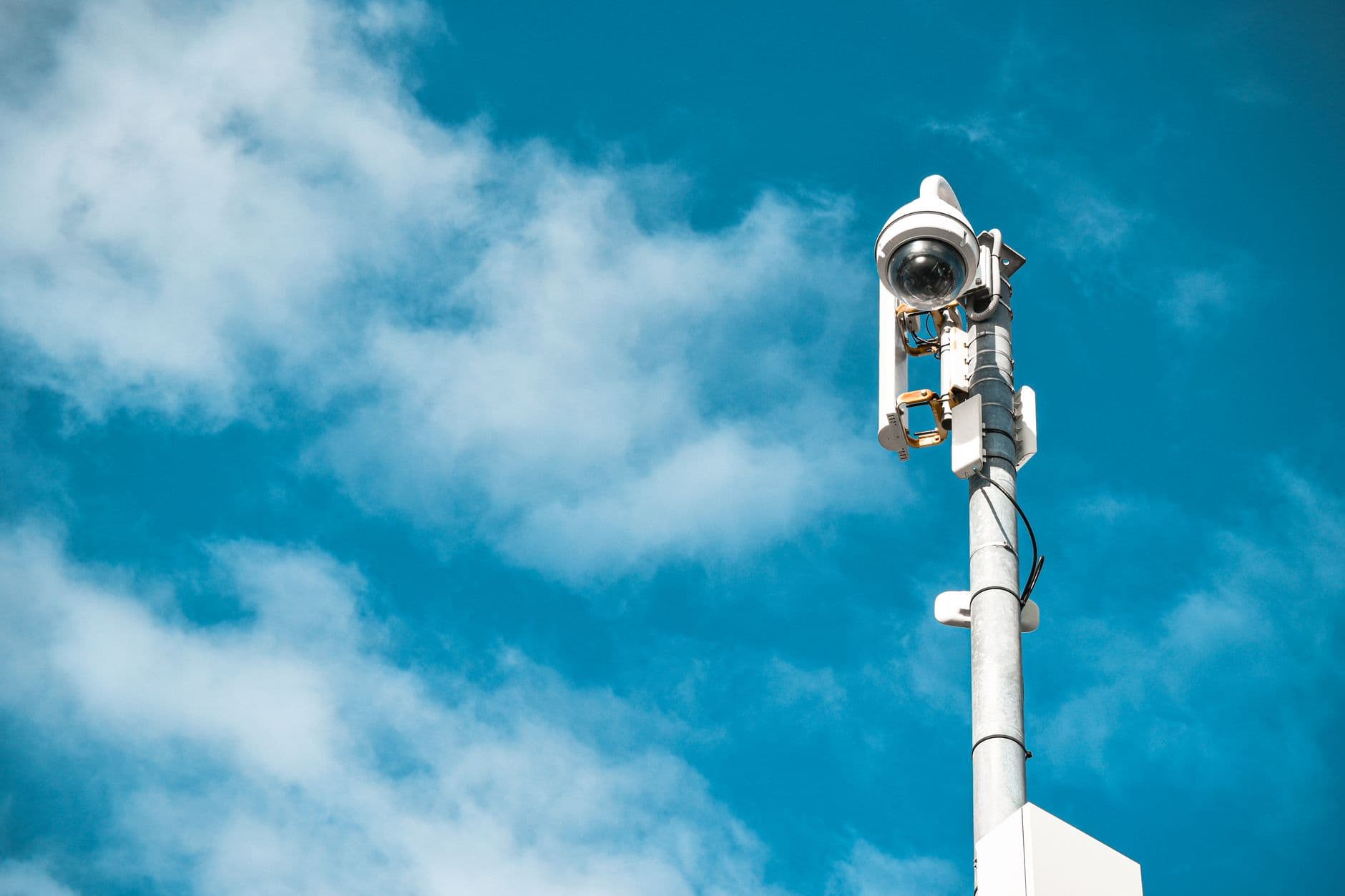
Architects are no longer just building places for athletes to sweat; they are building 'multimodal security hubs' disguised as entertainment districts. Take the proposed upgrades for venues across the three host nations. They aren't just adding seats; they are installing 'smart' infrastructure that can track a rogue hot dog wrapper back to its owner’s ancestral home. It’s security-as-amenity. It’s like if your toaster also reported your cholesterol levels to your health insurance provider but did it with a really sleek, brushed-aluminum finish.
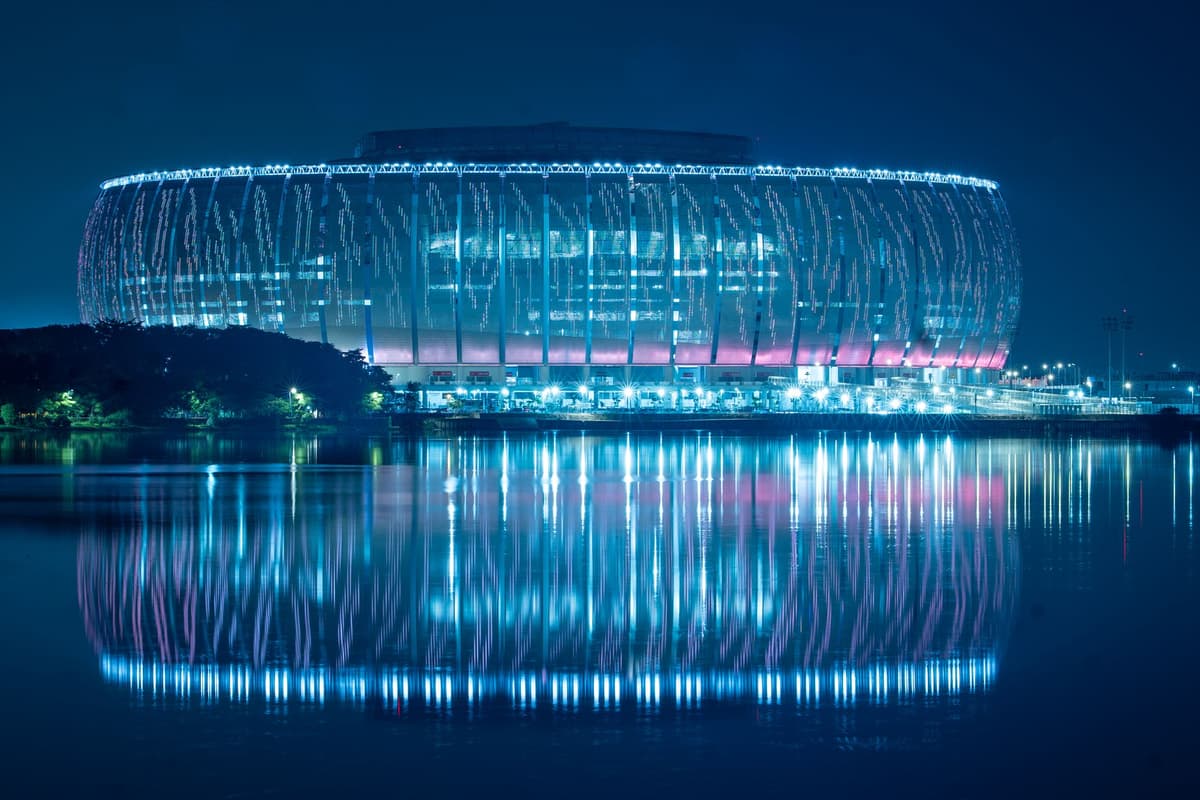
Photo by neilstha firman on Pexels
The sheer audacity of the budget is what gets me. We’re talking about billions of dollars being funneled into 'integrated transit solutions' that just happen to align perfectly with border surveillance needs. It’s the urban planning equivalent of telling your spouse you bought a treadmill for your health when you actually just wanted a very expensive place to hang your laundry. Except in this case, the laundry is a massive network of LiDAR sensors and AI-driven crowd control software that can detect a 'suspicious vibe' from three miles away.
The Binational Surveillance Bromance
This tri-national hosting gig has created a beautiful, touching friendship between the security agencies of three different countries. They’re sharing data like teenagers sharing Netflix passwords. The 2026 World Cup is the perfect excuse to bypass those pesky 'privacy laws' because, hey, we have to make sure nobody brings a flare into the stadium, right? To stop one guy with a flare, we obviously need a permanent, high-tech 'security-as-amenity' corridor that stretches from Vancouver to Mexico City.
It’s a masterclass in rebranding. If a politician says, 'We’d like to install 50,000 AI-powered cameras on every street corner,' people get upset. But if a FIFA rep says, 'We’re creating a seamless, frictionless fan journey using world-class biometric integration,' everyone cheers and asks where they can buy the commemorative scarf. We are literally paying for the privilege of being the most well-documented fans in human history. By the time the final whistle blows in 2026, the authorities will know more about your browsing habits than your own mother does, and they’ll have it all mapped out on a 3D digital twin of the stadium district.
What This Actually Means
What this actually means is that once the circus leaves town and the giant inflatable trophies are deflated, we are left with the skeleton of a police state that happens to have very nice landscaping. The 'shadow infrastructure' isn't going anywhere. Those high-tech transit corridors won't be dismantled; they’ll just be repurposed to keep a permanent eye on binational movement under the guise of 'efficient urban management.' It’s the ultimate legacy project: a continent-sized ring camera that we all agreed to because we wanted to see Kylian Mbappé do a step-over in person.
We are witnessing the birth of a new kind of city where the distinction between a 'public space' and a 'secure zone' has been completely erased by a thick layer of PR and sports marketing. It’s clever, really. You can’t protest a park, even if the park is watching you. You can’t argue against a new bridge, even if the bridge is literally a giant biometric scanner. We’re trading our anonymity for a slightly shorter line at the turnstile, and we’re doing it with a smile because the stadium has really good Wi-Fi.
Ultimately, the 2026 World Cup isn't just a tournament; it’s a giant beta test for how to monitor a population without them getting mad about it. As long as there’s a mascot and some fireworks, we’ll walk right into the panopticon and ask if they take Apple Pay. Just remember: when the stadium lights go out, the cameras stay on. Enjoy the game!
Quick Answers
Will I actually be tracked by AI during the World Cup?
Yes, but don't worry, the AI will probably be too busy trying to figure out why you’re wearing a jersey from a country that didn't even qualify to actually report you for anything serious.
What is 'security-as-amenity' exactly?
It’s the architectural version of a 'hidden veggie' smoothie; they’re sneaking massive surveillance tech into the 'delicious' infrastructure projects like parks and trains so you don't taste the loss of privacy.
Is the border really becoming a smart-city?
In a way, yes—if your definition of a 'smart city' is a place where the lamp posts have more processing power than your first laptop and use it exclusively to judge your outfit at the border crossing.