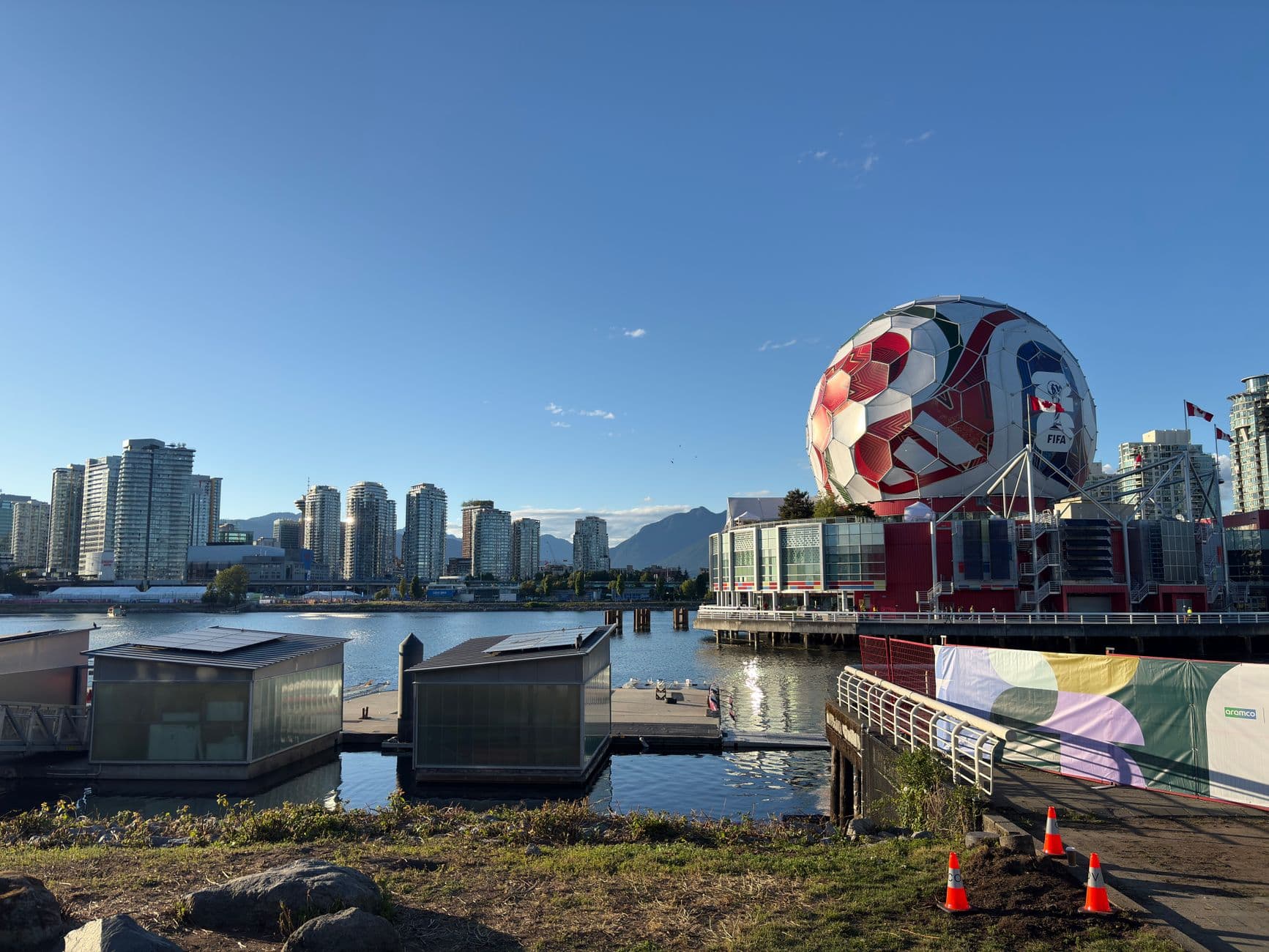
Hosting a World Cup used to be an exercise in civic ego that frequently ended in financial ruin. We saw it in South Africa, Brazil, and Qatar—massive, permanent cathedrals of sport built at astronomical costs, only to be abandoned or underutilized once the final whistle blew. The 16 venues selected for the 2026 World Cup across the United States, Canada, and Mexico represent a fundamental rejection of this model. Instead of building monuments, engineers are now engaged in a complex, surgical intervention on existing infrastructure to meet rigid international standards.
This shift is not merely a matter of convenience; it is a necessary evolution in urban planning. The challenge is no longer about how much concrete we can pour, but how effectively we can manipulate existing spaces to perform functions they were never designed for. We are witnessing the rise of the 'fluid stadium,' a structure that can breathe, expand, and retract based on the immediate demands of a global event without permanently scarring the local economy.
The Engineering of the Temporary Pitch
The most significant technical hurdle for 2026 is the surface itself. Most high-capacity North American stadiums, particularly those home to NFL franchises, utilize synthetic turf. FIFA mandates natural grass. In the past, this meant laying sod over concrete and hoping for the best, often resulting in dangerous, unstable playing surfaces. For 2026, the solution is a masterpiece of modular horticulture: vacuum-ventilated, moisture-controlled tray systems that allow grass to be grown off-site and integrated into the stadium floor with millimeter precision.
At venues like Mercedes-Benz Stadium in Atlanta and SoFi Stadium in Los Angeles, the retrofitting involves more than just the grass. It requires the installation of sophisticated life-support systems for the pitch—under-soil heating, cooling, and aeration systems that are temporary yet high-performing. This is a $10 million to $15 million investment per venue just for the playing surface. By treating the pitch as a modular component rather than a permanent fixture, these cities avoid the long-term maintenance costs of natural grass in enclosed environments where it cannot naturally thrive.
Surgical Demolition and Spatial Reconfiguration
American football stadiums are built for a different geometry than the global game. They are narrow and steep, designed to keep fans close to a 53.3-yard wide field. A FIFA-regulation pitch requires a width of 75 yards, plus significant runoff space for cameras and safety. Meeting these dimensions in stadiums like Dallas’s AT&T Stadium requires the literal removal of lower-bowl seating sections and the raising of the field level to create a wider footprint.
- Engineers must calculate the structural implications of removing load-bearing seat supports.
- Retractable seating systems are being replaced by modular 'plug-and-play' sections that can be swapped out in weeks.
- Sightlines are being recalculated using 3D modeling to ensure that raising the field by several feet doesn't obscure the view for the remaining 80,000 spectators.
This is architecture as an assembly line. The goal is to ensure that by 2027, these stadiums can return to their primary tenants without any lingering 'architectural debt.' We are moving away from the era where a stadium's design was fixed in stone, moving instead toward a future where the building is a chassis, capable of hosting different 'modules' of utility depending on the month.
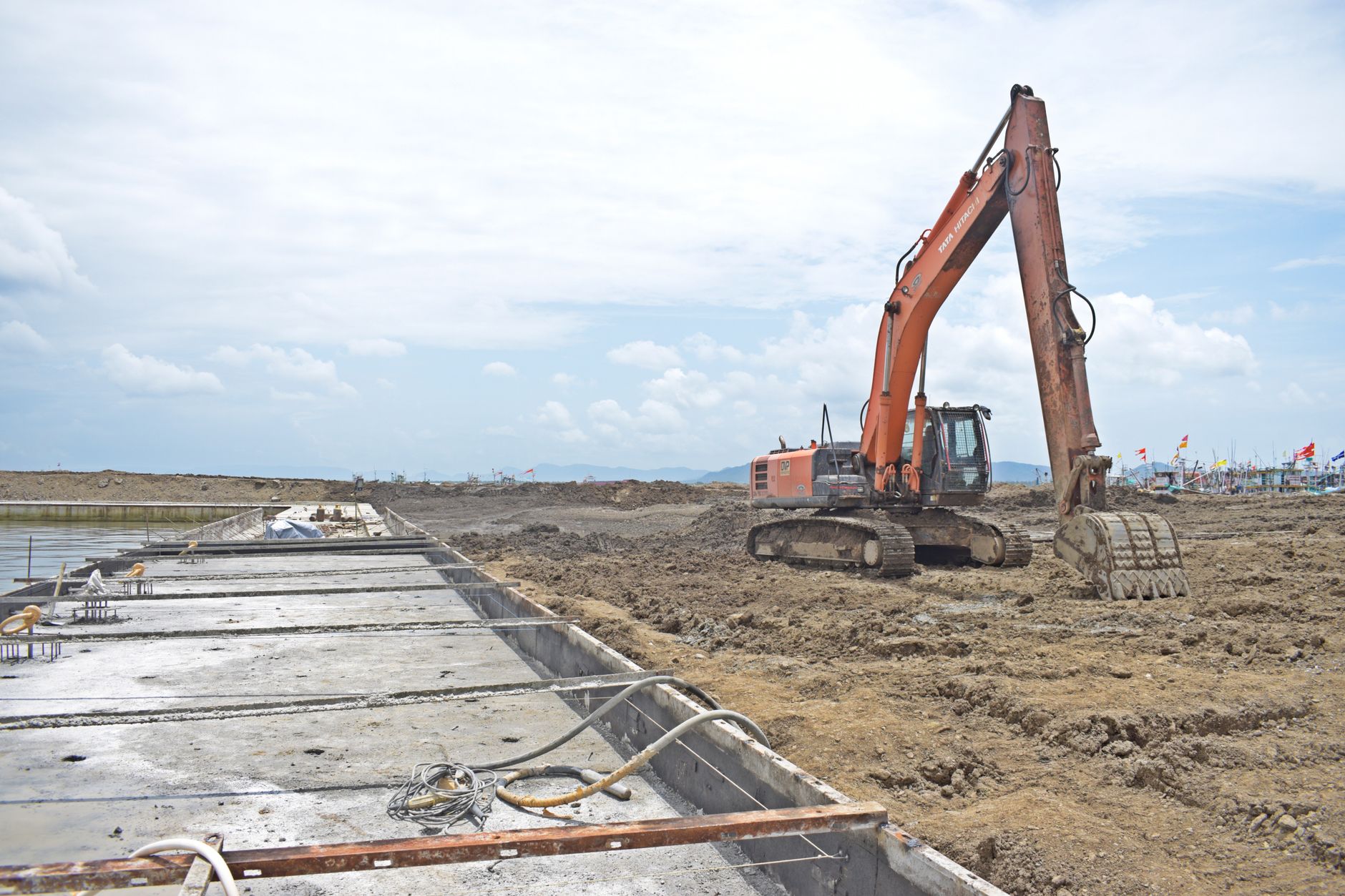
Photo by sumit kumar on Pexels
The Death of the White Elephant
The most profound impact of this modular approach is the elimination of the 'white elephant'—the stadium that costs $30 million a year to maintain but hosts three events annually. By utilizing 'pop-up' hospitality infrastructure and temporary expansion zones, the 2026 organizers are avoiding the trap of permanent overbuilding. Massive VIP villages and media centers will be constructed out of high-end modular containers and tension-fabric structures that will be dismantled and sold or reused after the tournament.
This approach shifts the capital expenditure from permanent steel to reusable technology. In Brazil, the Mané Garrincha Stadium cost $550 million and is now used as a parking lot for buses. By contrast, the North American model utilizes existing assets that already have high utilization rates. The 'new' infrastructure is largely invisible or temporary, ensuring that the $14 billion in projected economic impact isn't swallowed by the debt service on useless buildings.
What This Actually Means
The 2026 World Cup will serve as a proof of concept for the future of all global mega-events. The era of the 'disposable city'—where host nations are expected to terraform their landscape for a four-week tournament—is over. What we are seeing is the professionalization of temporary architecture, proving that a venue can be world-class without being permanent.
This modularity represents a more honest relationship between sport and the city. It acknowledges that a stadium’s peak demand is an anomaly, not a baseline. By mastering the art of the retrofit, we are prioritizing urban longevity over photographic grandiosity. The success of these games will not be found in a new skyline silhouette, but in the fact that two weeks after the final, the host cities will look exactly as they did before—only wealthier and more capable.
Quick Answers
Why can't they just play on the existing turf?
FIFA's technical standards require natural grass for player safety and ball physics, as synthetic turf retains too much heat and alters the speed of the game.
Is modular architecture more expensive than building new?
No, while the engineering is complex, the cost of retrofitting existing venues is a fraction of the $1 billion-plus required to build a new modern stadium from scratch.
What happens to the temporary seats after the World Cup?
Most are rented from specialized global firms and will be dismantled and shipped to the next major sporting event or concert tour elsewhere in the world.