Most people are looking at the 2026 World Cup and thinking about ticket prices or whether the grass at MetLife Stadium will actually stay green. I can’t stop thinking about the tacos. And the burgers. And the logistics of moving four million calories into a single city block in the span of three hours without triggering a local supply chain cardiac arrest. We are looking at a tournament spread across three countries, sixteen cities, and forty-eight teams, which sounds like a sports event but is actually the largest sudden-onset food security challenge in modern history.
To pull this off, host cities are quietly green-lighting a 'shadow menu' revolution. They aren't just building bigger concessions; they are experimenting with modular agriculture and temporary, high-capacity cloud kitchens that can vanish as quickly as they appeared. It makes me wonder if we’re seeing a dry run for how we feed dense urban populations during the climate shifts of the next thirty years. Is the World Cup just a very expensive stress test for a new way to live?
The Rise of the Pop-Up Infrastructure
When a city like Kansas City or Vancouver hosts a match, the local restaurant scene isn't built for a 400% spike in demand. If everyone goes to the local favorite spot, the kitchen collapses, the staff quits, and the locals can't get a sandwich for a month. To prevent this, organizers are looking at 'Ghost Kitchen' hubs—shipping containers outfitted with industrial-grade induction ranges and automated prep stations. These aren't just food trucks; they are high-throughput nodes connected to a central nervous system of data.
I find the modularity of this fascinating. Imagine a parking lot that is an empty asphalt desert on Monday, a vertical hydroponic farm and twenty-unit kitchen hub by Thursday, and a clean slate again by Sunday. This isn't just about feeding fans; it’s about decoupling food production from permanent real estate. If we can drop a farm and a kitchen into a stadium parking lot for a month, why can't we do it in a food desert for a decade? The 2026 tournament might be the moment where 'temporary' stops meaning 'cheap' and starts meaning 'agile.'
The Data Behind the Dinner
There is a specific kind of magic—or terror—in the predictive analytics required here. FIFA and its partners are likely looking at heat maps of fan movement to predict exactly when a surge of 40,000 people will want a specific type of protein. In 2022, Qatar had the advantage of a small, controlled geography. North America is a different beast. Moving perishable goods across the scale of this continent during a peak travel season is a nightmare that requires a 'just-in-time' delivery system on steroids.
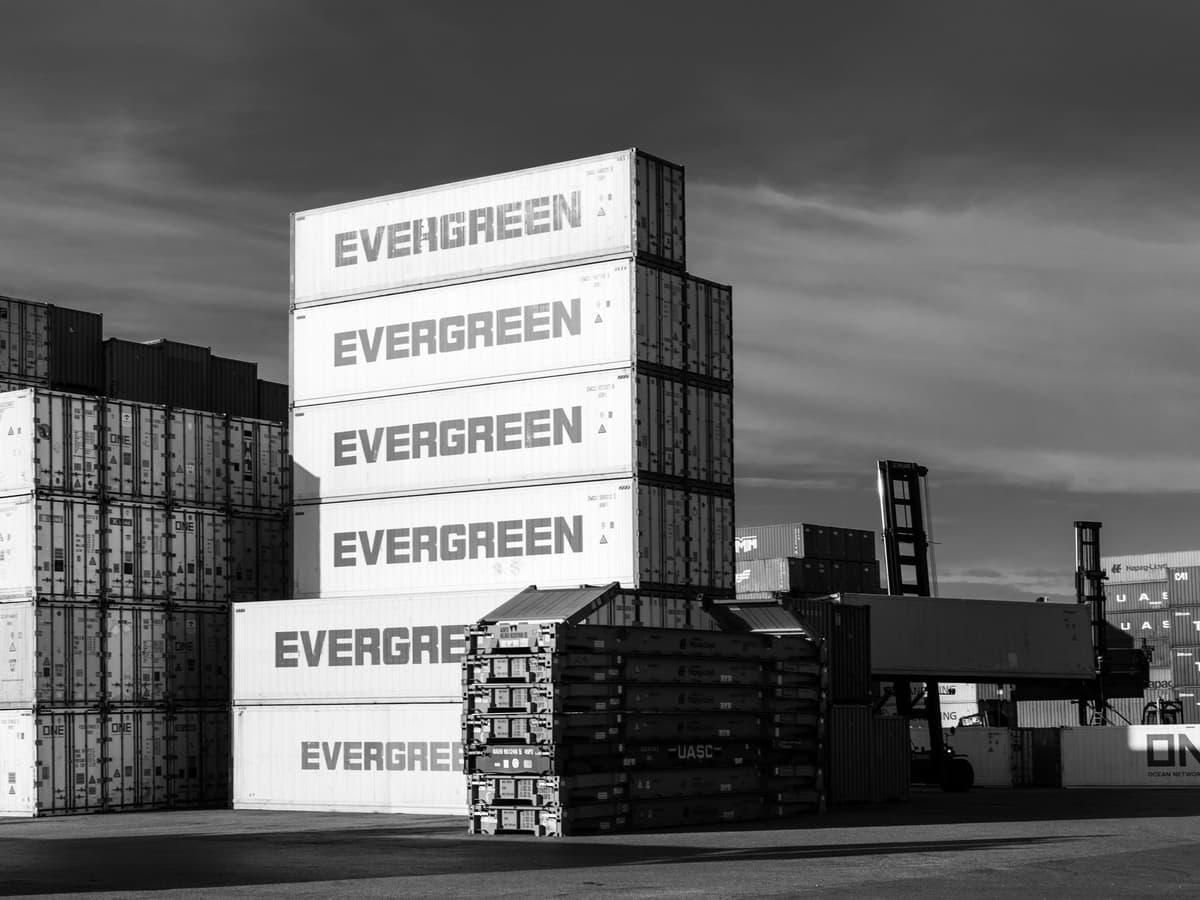
Photo by Wolfgang Weiser on Pexels
I wonder if we’ll see the debut of truly automated logistics at scale. We’re talking about autonomous delivery bots navigating stadium perimeters and AI-driven inventory systems that tell a kitchen in Toronto to start defrosting chicken because a flight from Mexico City just landed. The sheer volume of data being harvested about our eating habits during these few weeks will be a goldmine for every major food conglomerate on earth. It’s a massive social experiment disguised as a soccer tournament.
Decentralizing the Plate
What really catches my curiosity is the 'modular agriculture' aspect. Some host city proposals involve temporary vertical farms—basically LED-lit towers growing lettuce and herbs right outside the stadium gates. The goal is to reduce the 'food miles' to zero. It’s a wild concept: the salad you eat at halftime was grown twenty feet from your seat, powered by the same grid as the jumbotron.
This moves us away from the traditional model where food is something that is shipped to us from a distant, invisible 'away.' Instead, the city becomes a self-contained loop for the duration of the event. If this works, it challenges the entire premise of the industrial food complex. It suggests that our food systems don't have to be static. They can be as mobile and reactive as the crowds they serve. It makes me wonder what else we could decentralize if we applied this level of urgency to everyday life.
What This Actually Means
The 2026 World Cup is going to be the largest 'pop-up' event in human history, but the legacy won't just be the stadiums or the trophy. The real legacy might be the invisible plumbing of our cities. We are building a 'shadow' food system that is faster, smarter, and more localized than the one we currently use to feed our neighbors.
If we can figure out how to feed six million people on the move without crashing the local economy, we have effectively solved the logistical hurdle of urban food density. The technology being stress-tested in 2026—the cloud kitchens, the modular farms, the predictive supply chains—is exactly what we need to build more resilient cities. We’re using a ball game to teach ourselves how to survive the future.
I hope we’re paying attention to the kitchens as much as the scoreboard. The most important goals might be the ones scored by the logistics engineers making sure a million people don't go hungry in a heatwave. It’s a strange, beautiful, and slightly chaotic vision of what’s to come.
Quick Answers
Will this make food more expensive for locals?
Possibly in the short term, but the goal of 'shadow kitchens' is to absorb the extra demand so local restaurants don't have to hike prices or run out of stock.
Is the food from a ghost kitchen actually good?
It depends on the operator, but the tech allows for high consistency; think of it as high-end engineering applied to a recipe to ensure the 10,000th burger is identical to the first.
What happens to all this equipment after the World Cup?
Most of it is designed to be packed back into containers and shipped to the next event or repurposed as permanent infrastructure in areas with poor food access.