A Seamless Experience for Everyone Except the People Living Here
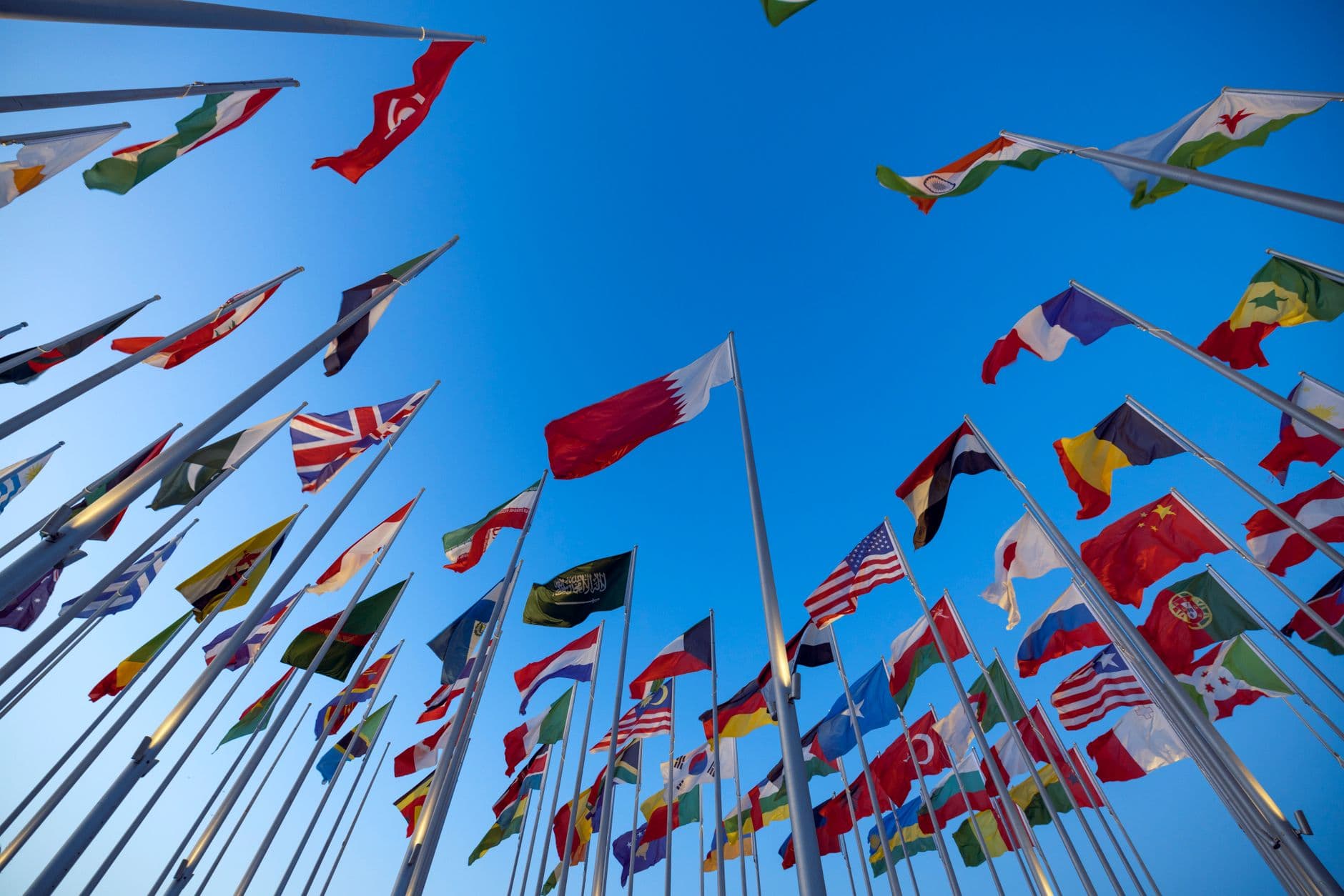
There is nothing quite like the looming threat of a FIFA inspection to make sovereign nations suddenly realize that borders are, in fact, incredibly annoying. To ensure that 48 teams and millions of fans can traverse 16 host cities without spending the entire tournament in a secondary screening room in El Paso, the three North American giants are flirting with a 'Unified North American' travel visa. It is a beautiful, fleeting dream of a 'Copa-Schengen' zone where the bureaucracy is magically invisible for anyone holding a Category 1 ticket.
We are being told this is a bold pilot program for a permanent 'trusted traveler' zone. It’s an adorable sentiment. The idea that the same political bodies currently arguing over the height of fences and the definition of a 'maple syrup cartel' will suddenly harmonize their biometric databases is the kind of optimism usually reserved for people who think their local team will actually win the trophy. We are streamlining the continent for a month so that a guy from Munich can drink a $14 beer in New Jersey, Dallas, and Mexico City in the same week without filling out three different forms.
The Geopolitical Strategy of Letting People In
The official narrative suggests this isn't just about soccer; it’s about aligning regional security interests against 'external geopolitical competitors.' This is high-level code for 'we want to track people as a team so China doesn't get ahead of us.' By creating a shared digital perimeter, the North American trio can finally stop pretending they don't already share every scrap of data they have on everyone. It turns out that the best way to secure a continent is to use a sporting event as an excuse to build a surveillance net that would make a Bond villain blush.
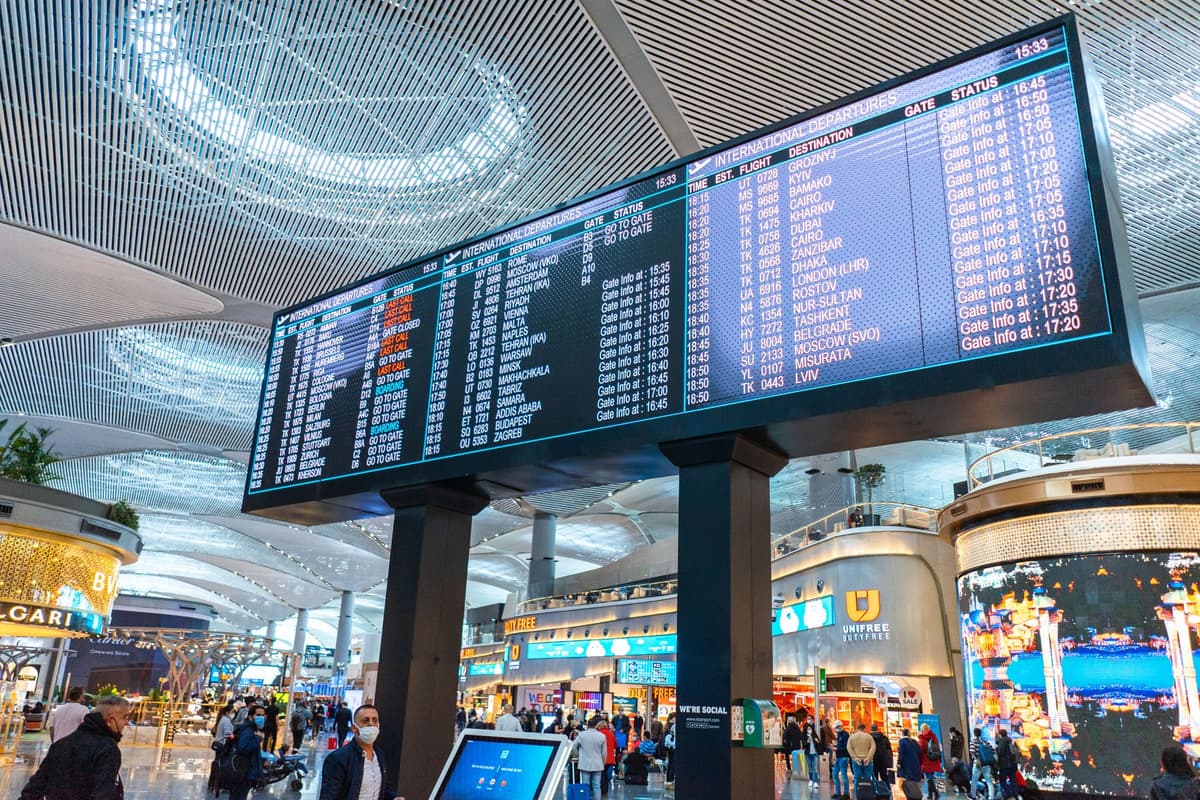
Photo by Atlantic Ambience on Pexels
If this experiment succeeds, we get a 'blueprint' for the future. In this future, your face is your passport, and your movement is tracked from the Yukon to the Yucatan with the efficiency of a FedEx package. It’s a visionary approach to regionalism that prioritizes the movement of capital and sports fans while ensuring that the actual residents of these countries continue to enjoy the traditional experience of sitting in three-hour traffic jams at the San Ysidro crossing.
Sovereignty Is Great Until It Slows Down the Revenue
Canada, usually the polite sibling in this arrangement, has to figure out how to sync its visa requirements with a US system that changes its mind about 'trusted travelers' every time a new cable news cycle begins. Mexico, meanwhile, gets to play the role of the vital bridge that everyone wants to use but no one wants to talk about during an election year. The $11 billion in projected revenue from this tournament has a funny way of making these deep-seated cultural and political differences feel like minor clerical errors.
- The 2026 World Cup will feature 104 matches across 16 cities.
- FIFA expects nearly 6 million fans to attend in person.
- The 'Copa-Schengen' pilot aims to reduce processing times for international visitors by an estimated 40%.
It is truly heartening to see that the solution to decades of border tension was simply to invite 48 national soccer teams to play on our grass. We aren't just building a 'trusted traveler' zone; we are building a VIP lane for the world while the rest of the geopolitical landscape continues to smolder. It’s efficient, it’s modern, and it only took a global sporting monopoly to make it happen.
What This Actually Means
What we are actually witnessing is the privatization of border policy. When a massive corporate entity like FIFA demands 'seamless transit,' the government doesn't defend its sovereignty; it asks how high the biometric kiosks need to be. This 'Copa-Schengen' experiment is a dry run for a North America that functions like a giant, gated shopping mall. If you have the right digital credentials and a reason to spend money, the borders melt away like a cheap popsicle in the July heat.
Once the final whistle blows and the confetti is swept out of MetLife Stadium, don't expect the 'trusted traveler' zone to benefit the average commuter. This infrastructure is being built to withstand 'external competitors,' which is a polite way of saying we are building a digital wall around the entire continent. We’ll have the most integrated, secure, and technologically advanced border system in history, and we’ll use it to make sure that the next time a billionaire wants to host a party, the guests don't have to wait in line.
Quick Answers
Will this make my commute across the border faster?
No, unless you are a professional midfielder or a high-ranking FIFA official. The 'seamless' part is generally reserved for the people the system already likes.
Is a permanent North American Schengen zone actually happening?
The tech will stay, but the convenience will likely evaporate the moment the last tourist leaves. Sovereignty is too good a campaign slogan to give up for the sake of actual efficiency.
Why use a soccer tournament for border policy experiments?
Because it’s easier to pass radical surveillance and data-sharing laws when you frame them as 'helping the fans' rather than 'expanding the security state.'