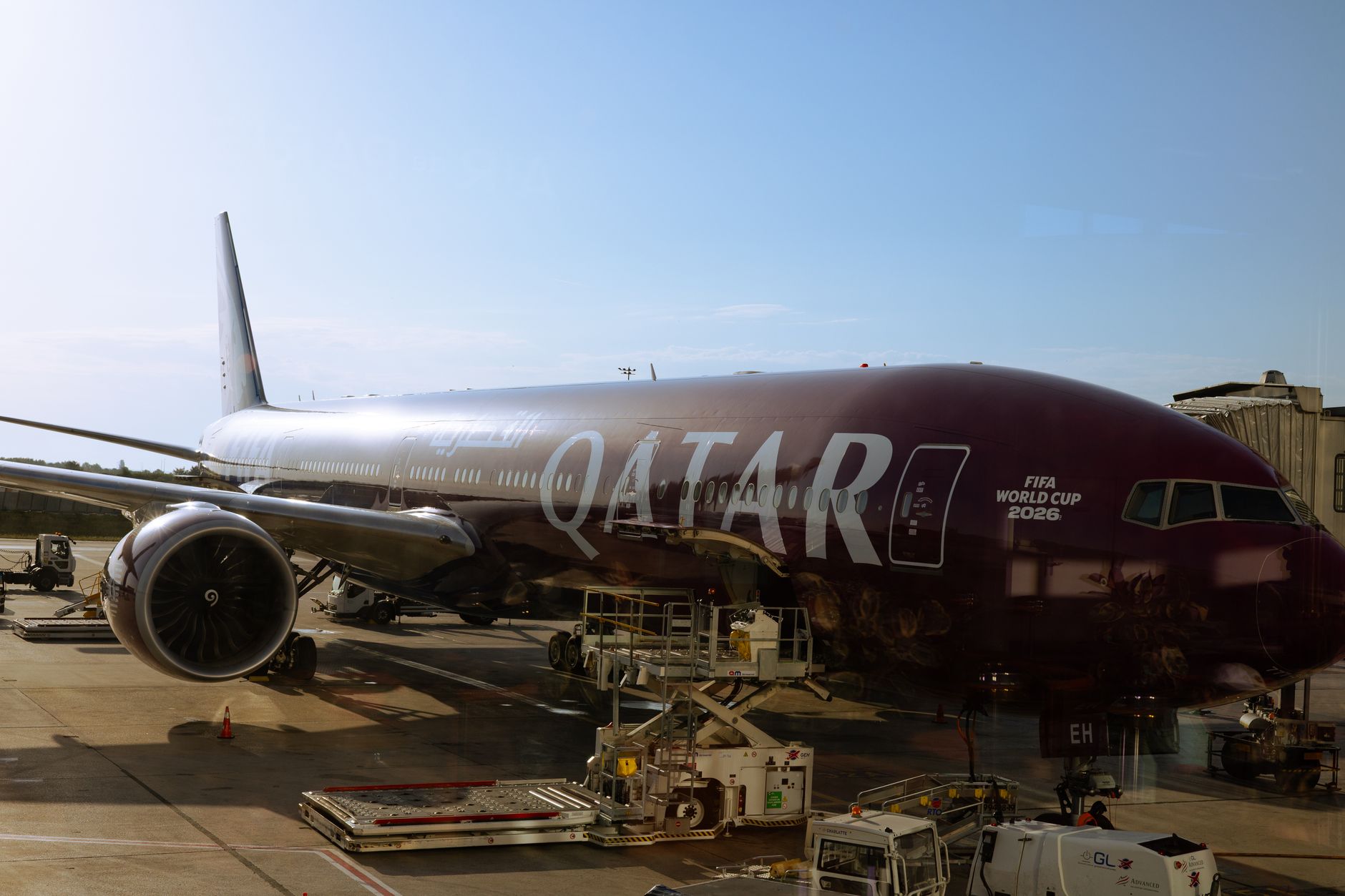
We tend to think of borders as lines drawn on dirt, marked by concrete barriers, riverbeds, and passport control booths. But there is a second, invisible border system hovering thousands of feet above our heads, carved into complex sectors of air traffic control. Right now, three countries are trying to figure out how to make those aerial borders vanish.
With the 2026 FIFA World Cup looming, the United States, Canada, and Mexico are facing a logistical nightmare of historic proportions. Underneath the marketing hype of "United 2026" lies a terrifying math problem. We are talking about 104 matches spread across 16 cities spanning three time zones and thousands of miles. Millions of fans, teams, dignitaries, and security detail need to hopscotch across these borders daily. Our current aviation system, quite frankly, is not built for this. It makes me wonder if the tournament is less of a sporting event and more of a giant, high-stakes laboratory experiment for a unified North American sky.
The Invisible Walls in the Clouds
To understand why this is happening, you have to look at how absurdly complicated it is to fly across North American borders right now. When a commercial flight crosses from Canadian airspace into US airspace, it is not just a seamless transition. It is a handoff between entirely different bureaucratic machines, security protocols, and radio frequencies.
If you have ever sat on a tarmac in Toronto waiting for clearance to enter US airspace during a minor weather delay, you have felt this friction. Now, multiply that friction by the estimated 6 million tourists expected to travel during the tournament. The existing system would simply buckle.
To solve this, aviation authorities are quietly discussing "Single Sky" protocols. The goal is to treat the airspace from the Yukon down to the Yucatan as one continuous, fluid zone for the duration of the tournament. It sounds incredibly efficient, but it forces us to ask a weirdly profound question. If a nation does not have exclusive control over who flies through its sky and when, does it still have full sovereignty?
The $5 Billion Flight Plan
This is not a theoretical exercise. The aviation industry is pouring massive resources into upgrading transponder technologies and synchronizing radar systems. The Federal Aviation Administration (FAA) is coordinating with Nav Canada and Mexico's SENEAM to create a temporary, shared digital infrastructure.
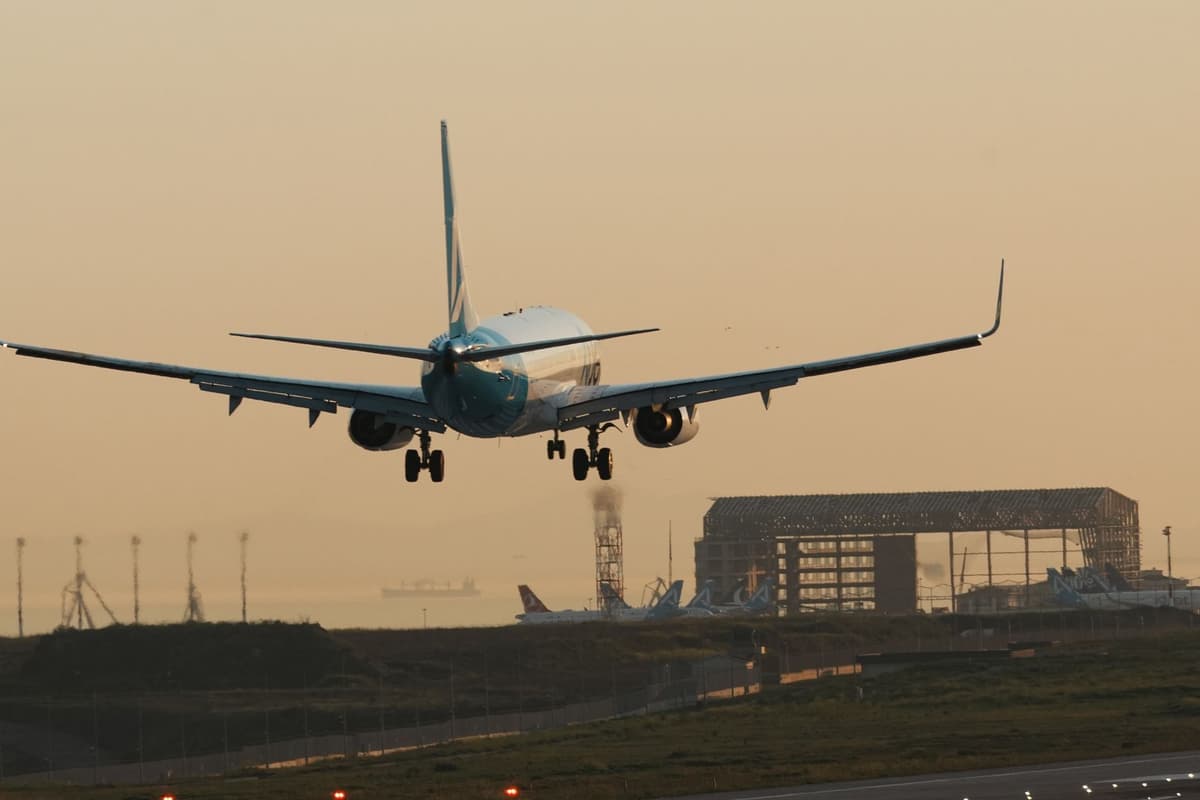
Photo by cnrdmroglu on Pexels
Think about the sheer scale of coordination required for security. If a flight departs from Mexico City bound for Seattle, carrying high-profile diplomats and thousands of fans, who monitors that flight path? Under the proposed stress-test protocols, security data will be shared in real-time across all three nations.
It is a massive leap in trust. For decades, airspace has been jealously guarded as a core tenet of national defense. Yet, the sheer panic of gridlocking the world's biggest sporting event has managed to bypass years of diplomatic gridlock. It makes you realize how quickly "unshakeable" national policies can soften when there is a hard deadline and billions of dollars in tourism revenue on the line.
Will the Borders Ever Come Back?
Here is the thing that really keeps me up at night. Once you build this infrastructure, once you prove that a unified North American airspace works, how do you just turn it off?
Historically, temporary emergency measures have a habit of becoming permanent fixtures. When the final whistle blows at the MetLife Stadium on July 19, 2026, will the FAA, Nav Canada, and SENEAM really dismantle the integrated systems they spent years building? Or will we look back at the 2026 World Cup as the moment the North American continent took its first real step toward becoming a singular geopolitical bloc, similar to the European Union's Single European Sky initiative?
There is a quiet revolution happening in the clouds. We are so focused on the grass, the stadiums, and the players that we are missing the fact that the very definition of a nation-state is being renegotiated at 30,000 feet.
What This Actually Means
This experiment is about much more than avoiding flight delays for soccer fans. It is a fundamental shift in how we define national security and regional cooperation in the 21st century. By forcing these three nations to share data and control in real-time, the World Cup is accelerating a level of integration that would have taken decades of traditional diplomacy to achieve.
If this pilot program succeeds, it could pave the way for a permanent North American "Open Skies" zone. That would mean cheaper flights, more efficient routes, and significantly lower carbon emissions due to optimized flight paths. But it also means accepting a reality where national borders become increasingly abstract.
We are watching the slow erasure of borders in the sky. It is happening under the guise of entertainment, but the geopolitical ripples will be felt long after the crowds have gone home. We might just be flying through a very different world by 2027.
Quick Answers
Is the US giving up control of its airspace to Mexico and Canada?
No, this is a collaborative sharing of data and coordination, not a surrender of authority. Each country retains ultimate veto power over its own sky, but they are integrating their systems to make transitions seamless.
Will this make flights cheaper during the World Cup?
Unlikely. The increased efficiency of the airspace will be heavily offset by the historic demand for flights, meaning ticket prices will still spike significantly during the tournament.
Has this "Single Sky" concept been tried elsewhere?
Yes, Europe has been working on the "Single European Sky" initiative for decades to defragment its airspace, though progress has been slow due to competing national interests.