I recently looked at my digital library and realized I am one corporate board meeting away from losing access to everything I have ever paid for. Last year, Sony announced it was deleting over 1,300 titles from people's PlayStation accounts—titles those people actually spent real, non-monopoly dollars to "buy." The culprit? A licensing agreement with Warner Bros. Discovery expired. Just like that, the digital movies people paid up to $20 populating their virtual shelves vanished into the ether.
We have been lied to. The "Buy" button on your favorite streaming platform is a linguistic scam of historic proportions. It doesn't mean buy. It means "rent for an unspecified amount of time until a media conglomerate gets into a corporate fistfight with another media conglomerate."
The Rise of the Basement Hoarder Hero
Because of this digital heist, we are witnessing the birth of the "Digital Prepper." These are not your standard conspiracy theorists building bunkers out of canned beans and paranoia. No, these are guys named Craig who are currently buying up every scratched copy of The Matrix on DVD at local thrift stores for fifty cents a pop.
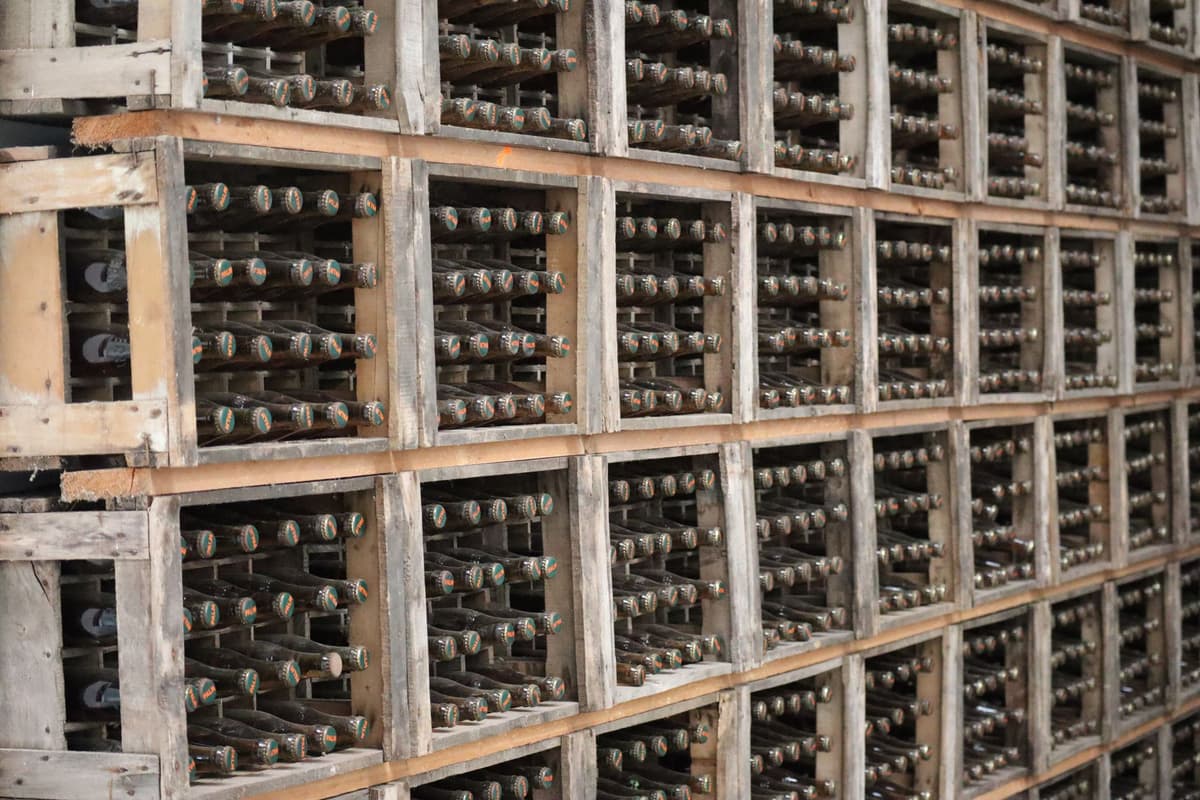
They have massive hard drives humming in their basements, filled with terabytes of ripped media. They talk about Plex servers with the same intense, twitchy energy that 19th-century gold miners had during the Klondike rush. And honestly? Craig is right. In a world where Sony can just reach into your digital living room and steal your copy of Paul Blart: Mall Cop 2, the guy with three backup drives of obscure 90s sitcoms is the only one who actually owns anything.
It has turned piracy into a bizarre form of civic duty. People aren't torrenting anymore because they are cheap; they are doing it because they feel like the librarians of Alexandria trying to save scrolls from the burning library. Except instead of Plato's dialogues, they are saving high-definition files of The Office deleted scenes.
Paying Twenty Bucks for a Mirage
Let’s look at the sheer absurdity of the transaction. You log onto a console, put in your credit card details, and click a button that says "BUY" in giant, bold letters. The money leaves your bank account. You get an email receipt. You feel the warm glow of ownership.
But what you actually bought was a ticket to a movie that plays on a screen that the theater owner can tear down whenever they want. If you bought a physical book, and the publisher knocked on your door three years later to snatch it off your nightstand because their printing license expired, you would call the police. You might even throw a shoe at them. But when a tech giant does it to your hard drive, we just sigh, click "I Agree" on a 40-page terms of service update, and go back to scrolling.
This isn't an isolated glitch. In 2022, Studio Canal pulled hundreds of titles from PlayStation stores in Germany and Austria. Gone. Poof. It turns out that digital convenience is just a highly effective anesthetic that makes us forget we are paying premium prices for temporary access.
The Glorious Return of the Plastic Clamshell
This brings us to the inevitable, glorious comeback of physical media. I am predicting right now that by 2026, owning a physical Blu-ray collection will be the ultimate status symbol. You’ll invite people over to your house, not to show off your smart lighting or your minimalist kitchen, but to show off your physical, touchable copy of Interstellar.
- You will slide the disc into a physical player with a satisfying mechanical clunk.
- You will watch the unskippable, blindingly loud FBI warning screen.
- You will experience the sheer, unadulterated joy of knowing that no CEO in California can press a button and make your movie disappear.
We are moving backward to move forward. The future of media consumption is looking remarkably like a 2004 Blockbuster clearance rack. If you want to ensure your kids can actually watch The Lord of the Rings twenty years from now without paying a $45-a-month subscription fee to Apple-Disney-Exxon, you better start collecting plastic discs right now.
What This Actually Means
The fundamental relationship between consumer and creator has been broken by the cloud. We traded the physical inconvenience of discs, shelves, and scratches for the ultimate convenience of the stream. But we forgot that convenience is always a leverage play. The platforms have all the leverage, and we have a library of digital ghosts.
This isn't about piracy being good or bad. It is about a natural ecosystem correcting itself. When legal ownership becomes an illusion, unauthorized archiving becomes an inevitability. People want to hold onto the things they love, and they will use whatever technology available to do it, even if it means dusty hard drives and ethernet cables running through the drywall.
So go ahead, buy that external hard drive. Browse the bargain bin at the grocery store. Laugh at the people who think their digital library is safe. Because when the great server farms in the sky finally run out of licensing budget, the preppers with the DVD binders will inherit the earth.
Quick Answers
Did Sony actually delete movies people bought?
Yes. Due to expiring licensing agreements with content providers like Warner Bros. Discovery, Sony has repeatedly removed purchased movies and TV shows from users' PlayStation libraries without offering refunds.
Is digital ownership legally real?
No. When you click "buy" on a digital platform, you are legally only purchasing a non-transferable license to stream or download that content for as long as the platform has the rights to host it.
Why is physical media making a comeback?
Because a physical disc cannot be remotely deleted, edited, or geoblocked by a publisher after you buy it, making it the only way to truly guarantee permanent access to a movie or album.