Progress Demands Your Pasture
There is nothing quite like the smell of fresh country air, unless of course you replace it with the gentle, hum of three thousand liquid-cooled server racks processing prompt engineering requests. Across rural America, a beautiful synergy is occurring. Power monopolies, armed with nineteenth-century land-seizure laws, are explaining to local communities that their multi-generational farms are actually just highly inefficient waiting rooms for high-voltage transmission lines.
We were promised a digital ethereal realm where physical constraints dissolved into the ether. Instead, we got a physical reality where a single ChatGPT query consumes roughly ten times the electricity of a Google search. To keep these digital minds from melting, tech conglomerates need power, and they need it yesterday. Fortunately, the legal system has provided utility companies with a magical wand called eminent domain, allowing them to bypass the tedious process of asking nicely.
This is not a minor zoning hiccup. It is a massive, multi-state land grab. In Virginia alone, data center power demand is projected to reach 13,000 megawatts by 2030. That is not a number you satisfy with a few rooftop solar panels. That is a number that requires carving giant, weeping wounds across the landscape to string 500-kilovolt transmission lines directly from nuclear plants to windowless concrete warehouses.
The Green transition, but with More Concrete
To be fair, the utility companies are doing this for the environment. Or at least, that is the slide deck they present to shareholders. The logic is wonderfully circular: we must build massive green energy infrastructure to power the AI that will eventually find a way to solve climate change. If we have to bulldoze a few hundred acres of carbon-sink forestry to lay the concrete foundation for a 2-million-square-foot server farm, that is just the cost of doing business with the future.
Consider the sheer elegance of the "Energy-Land Paradox."
- Step one: Acquire fertile agricultural land using laws originally designed for public railways.
- Step two: Construct a dedicated substation that bypasses the local community entirely to feed a private tech firm.
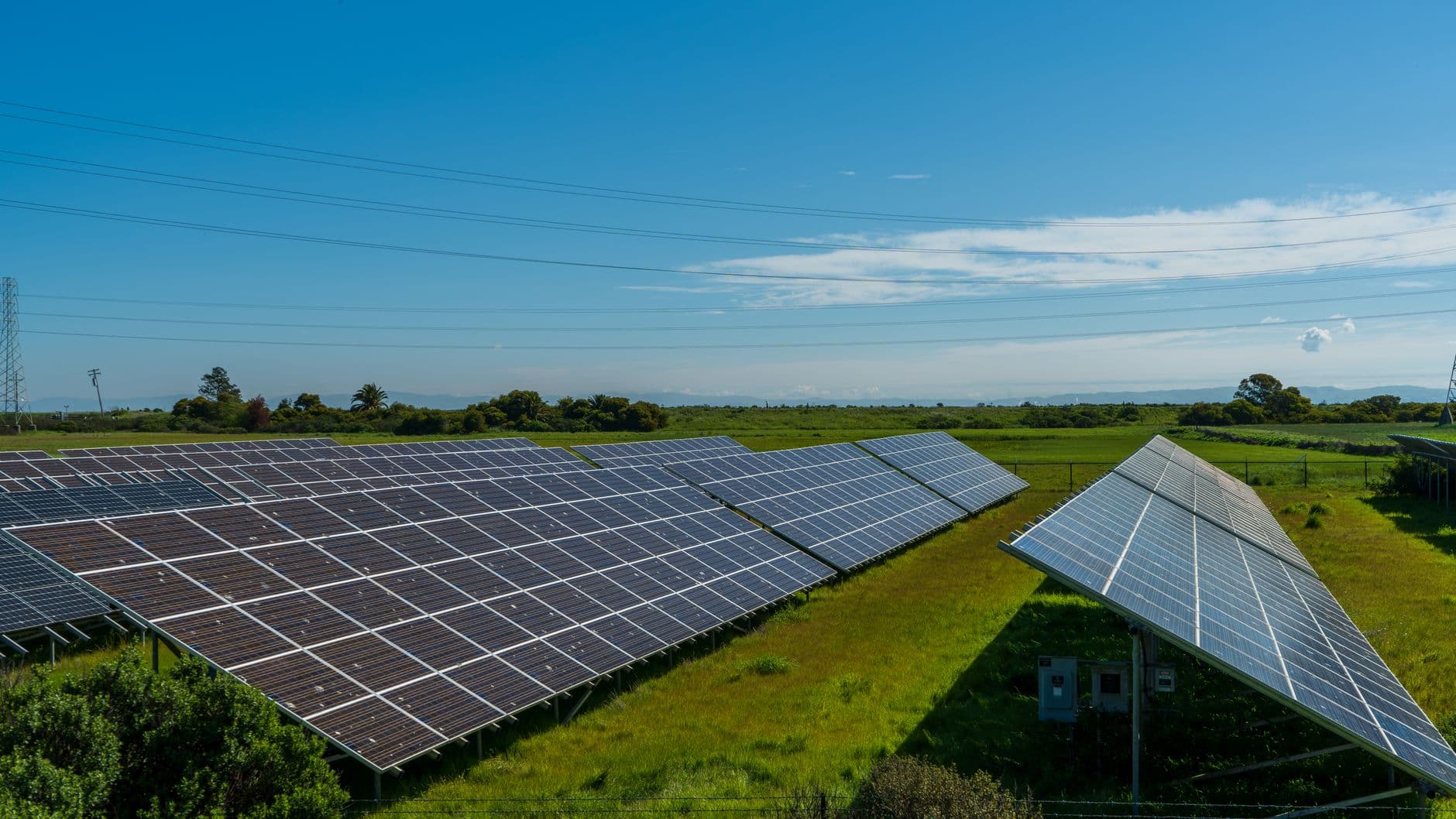
- Step three: Erect giant wind turbines on the horizon so the tech firm can claim its data center is "carbon neutral" on its annual corporate social responsibility report.
- Step four: Ignore the local grid capacity issues this creates for actual human residents.
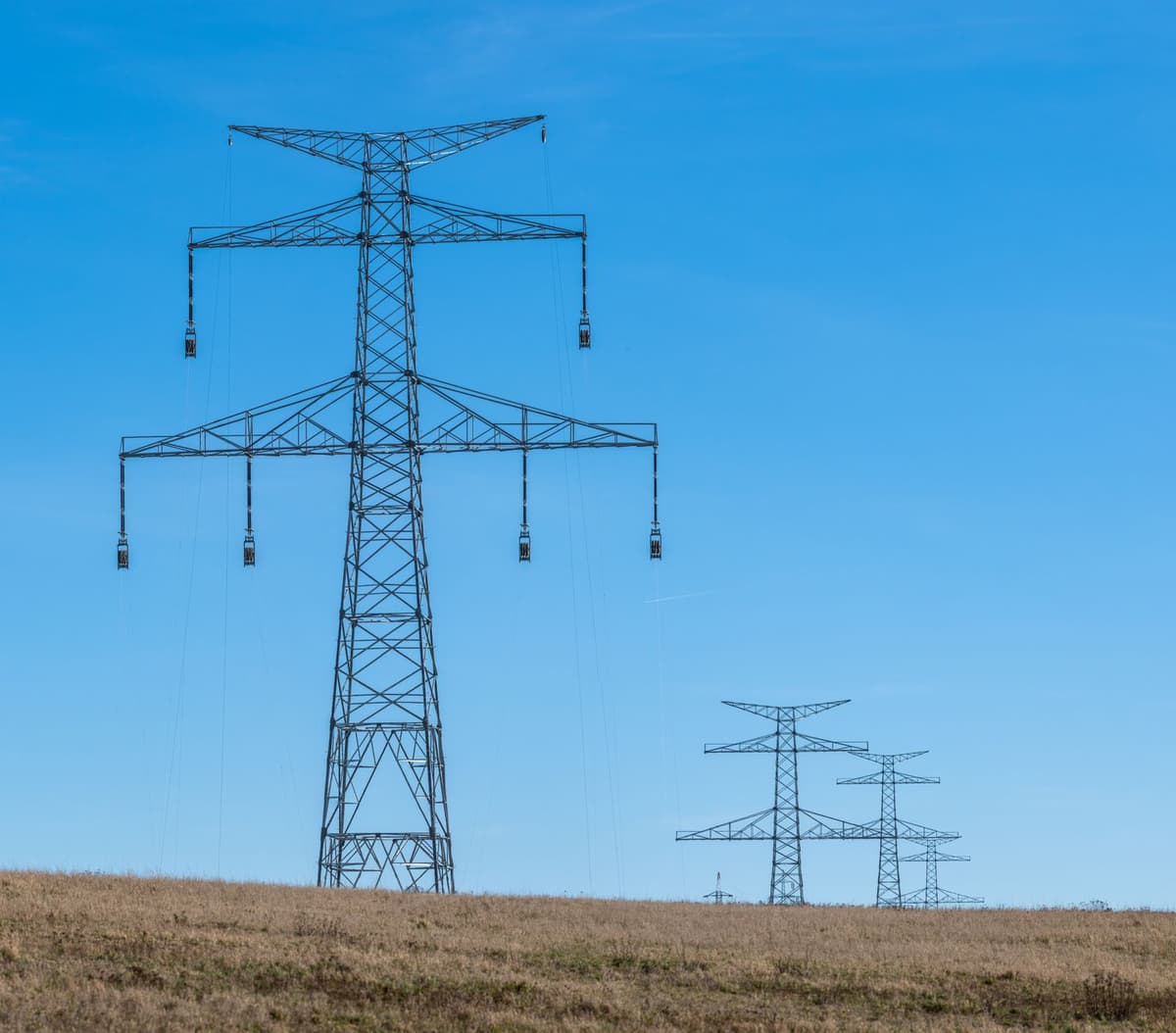
Photo by Petr Ganaj on Pexels
This is the ultimate triumph of corporate accounting. The power lines are classified as public infrastructure because they are owned by a utility, which legally justifies taking your land. The fact that 99% of the electricity flowing through those lines goes to a private facility training a chatbot to write emails in the voice of a pirate is merely a coincidence. It is public utility in theory, but private luxury in practice.
The Grid is Full, Please Try Again Later
What makes this process truly spectacular is the sheer speed of it. Building a new transmission line historically took a decade of environmental reviews, public hearings, and community consensus. Now, under the banner of national competitiveness and technological urgency, those boring democratic hurdles are being treated as bugs in the system.
We are witnessing a bizarre gold rush where the gold is just copper wire and access to a cooling water source. In places like Ohio and Georgia, local residents are discovering that their quiet country roads are the optimal path for high-voltage corridors designed to feed the insatiable appetite of next-generation AI clusters. The utilities argue that without these lines, the grid will fail. They neglect to mention that the grid is only failing because they signed contracts to sell massive blocks of power to companies whose primary product is image generation software.
It is a masterclass in shifting risk. The tech companies get the clean PR of being "100% renewable-powered" because they signed virtual power purchase agreements. The utility companies get a guaranteed rate of return on the billions of dollars they spend building new transmission lines. The rural property owners get a lovely view of steel towers and a letter explaining that their property values have experienced a highly modern adjustment.
What This Actually Means
We are currently operating under the assumption that any physical sacrifice is worth making if it serves the digital god of efficiency. The legal frameworks designed to build the transcontinental railroad and the interstate highway system are being repurposed to ensure that a server farm in Iowa can render a photorealistic cat wearing a tuxedo 0.04 seconds faster.
This is not a collision between green energy and property rights; it is a complete surrender of the latter to the convenience of the former. When the dust settles, we will have a beautifully optimized electrical architecture designed to serve machines, built on land taken from humans who were told it was for their own good.
If you happen to own a patch of land near a high-voltage corridor, you might want to start practicing your welcoming speech for the surveyors. They are not there to take your land; they are just there to help you contribute to the global digital transition. Whether you want to or not.
Quick Answers
Can utilities really use eminent domain for private data centers?
Yes, because the power lines themselves are owned by public utility companies, which legally qualifies the project as a "public use" even if the sole beneficiary is a private tech giant's server farm.
Why can't they just build these data centers in the desert?
Data centers require massive amounts of water for cooling and must be physically close to existing fiber-optic trunk lines and power generation sources to minimize latency and transmission losses.
Isn't this necessary for technological progress?
Only if we define progress as prioritizing the computational needs of artificial intelligence over the physical property rights and resource needs of actual human communities.