The United States military has a time-honored tradition of blowing things up just to see if our multi-billion-dollar toys can survive the blast. On a recent Tuesday, they did exactly that off the coast of Florida, detonating a massive underwater charge to test the hull of the aircraft carrier USS John F. Kennedy. The explosion registered as a 3.9 magnitude earthquake.
While Florida man was busy checking his patio furniture for damage, a group of planetary scientists thousands of miles away were practically drooling. To these space geeks, a simulated naval attack is not a display of geopolitical dominance. It is the ultimate, free-of-charge calibration tool for finding cryovolcanoes on Europa. We are using military-grade kabooms to listen to the icy burps of outer space.
The Art of Blowing Up Your Own Expensive Boat
Before we get to alien ice geysers, we have to appreciate the sheer, unadulterated absurdity of "shock trials." The Navy spends roughly $13 billion building a state-of-the-art aircraft carrier, sails it out into the deep blue sea, drops forty thousand pounds of high explosives right next to it, and presses detonate. It is the defense-contractor equivalent of buying a brand-new iPhone and immediately throwing it against a brick wall to see if the screen protector works.
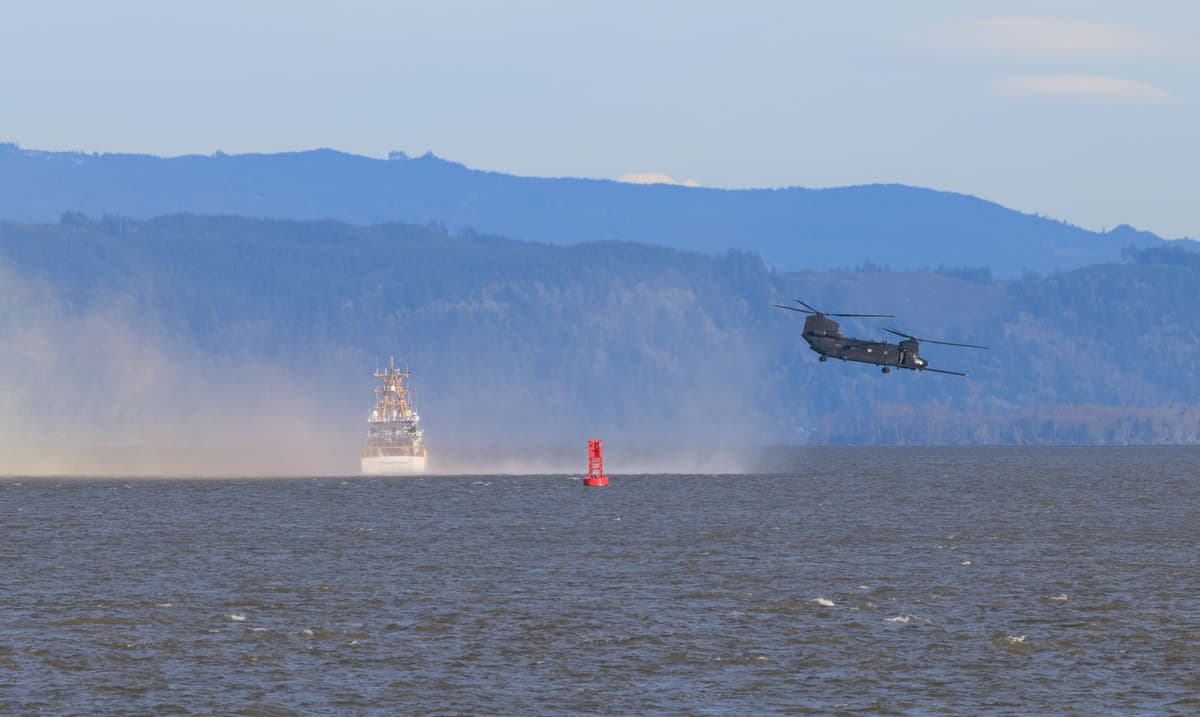
Photo by Veronika Andrews on Pexels
The USS John F. Kennedy survived the blast, which is great news for taxpayers. But the energy from that explosion did not just vanish. It traveled through the water column, slammed into the seabed, and rippled through the Earth’s crust. It was a loud, violent, perfectly timed acoustic signature.
Normally, seismologists have to wait around for actual earthquakes to calibrate their equipment. The problem with Mother Nature is that she is terrible at scheduling. She does not send an email saying, "Hey, I will be triggering a 4.0 magnitude shake exactly 147 kilometers east of Ponce Inlet at 2:15 PM, please have your sensors ready." The Navy, however, operates on a schedule. They tell you exactly when the boom is coming, which makes them the perfect accidental research assistants.
Listening to the Cold, Wet Darkness of Outer Space
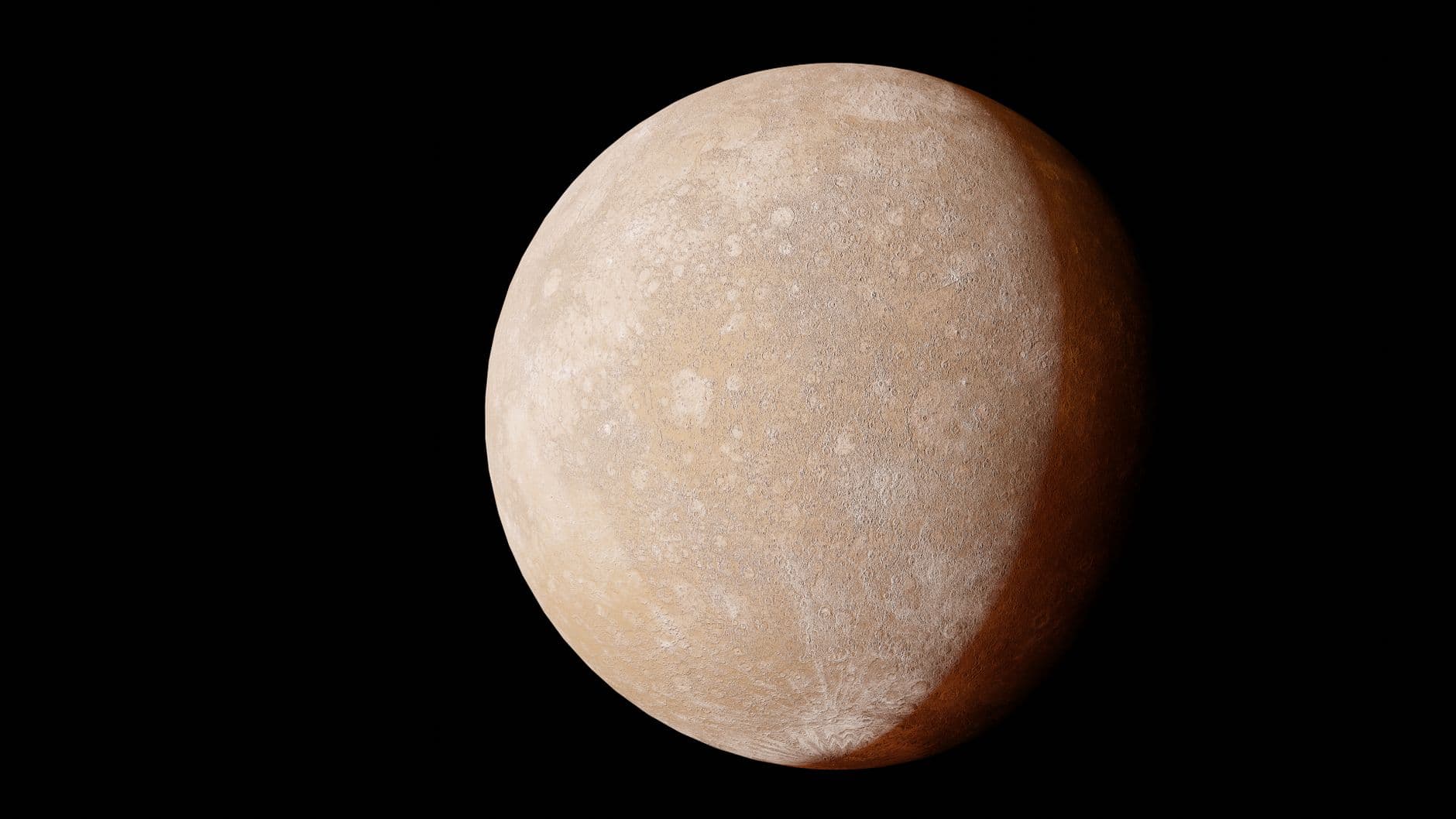
This brings us to Europa and Enceladus, the icy moons of Jupiter and Saturn. These places are essentially giant, cosmic Ferrero Rocher chocolates: a hard outer shell of ice wrapping a deep, liquid ocean. Scientists are reasonably sure these oceans are warm, salty, and potentially full of alien microbes that we will eventually name after ourselves.
- The ice shells on these moons are estimated to be 15 to 25 kilometers thick.
- Hydrothermal vents at the bottom of these oceans could be spewing heat and nutrients.
- Cryovolcanoes—volcanoes that erupt freezing slush instead of hot lava—constantly reshape the surface.
To find out what is actually happening down there, we cannot just look through a telescope. We have to listen. Planetary scientists want to drop landers onto the ice that will deploy "ocean-bottom" seismometers. The goal is to detect the faint, rumbling heartbeat of an alien ocean through miles of frozen slush.
But testing an instrument designed for a frozen moon is incredibly difficult on Earth. You cannot just go to the local public pool, drop a million-dollar space sensor in the shallow end, and hope for the best. You need a massive, deep-water acoustic event with a known energy yield to see if your equipment can filter out the background noise of the ocean. Enter the US Navy, wearing aviator sunglasses and holding a giant detonator.
The Seismic Camouflage Problem
Ocean floors are incredibly noisy places. Between whale songs, boat engines, tectonic grinding, and shrimp snapping their claws like tiny, aggressive jazz musicians, the background hum of a wet planet is deafening. Scientists call the struggle to find a specific signal through this racket the "seismic camouflage" problem.
If you want to find a cryovolcano erupting on Enceladus, you have to train your software to ignore the sound of shifting ice sheets and focus on the specific rumble of moving liquid. By using the Florida shock trials, scientists can test how their new, hyper-sensitive ocean-bottom seismometers process a massive shockwave traveling through water and rock.
Essentially, the Navy created a controlled, loud-as-hell baseline. If our future space sensors can accurately map the Florida explosion through the chaotic muck of the Atlantic Ocean, they stand a pretty good chance of hearing an ice volcano erupting under twenty miles of frozen carbon dioxide on a moon orbiting Saturn.
What This Actually Means
There is a beautiful, cosmic irony in the fact that the tools we use to prepare for war are directly funding our ability to search for peace in the cosmos. The data gathered from the USS John F. Kennedy’s bad day at sea will be analyzed for years. It will help refine the algorithms that will eventually run on a tiny computer chip orbiting Jupiter, waiting for a whisper in the dark.
We are a species that cannot stop fighting itself, yet we are simultaneously obsessed with finding out if we have neighbors. The next time you read about the military spending billions on a giant explosion in the ocean, do not just roll your eyes at the defense budget.
Instead, picture a team of astrobiologists in elbow-patched blazers, cheering at the screen, scribbling down equations, and thanking the Pentagon for helping them talk to the ice monsters of Europa.
Quick Answers
Did the Navy explosion actually cause an earthquake?
No, it caused a seismic event that registered on sensors exactly like a 3.9 magnitude earthquake would. The earth shook, but it was caused by TNT, not tectonic plates shifting.
How does an explosion in Florida help us study Saturn?
The physics of sound waves traveling through water and rock are the same everywhere in the universe. By measuring how the Navy's explosion traveled through Earth’s ocean floor, scientists can calibrate instruments to measure similar vibrations on icy moons.
Are there actually volcanoes made of ice?
Yes, they are called cryovolcanoes. Instead of molten rock, they erupt water, ammonia, or methane, which immediately freezes in the cold vacuum of space, making them the coldest, weirdest mountains in the solar system.