We have reached the limits of the digital sedative. For a decade, the standard prescription for professional burnout was more technology—mindfulness apps, digital detox trackers, or the curated isolation of smart homes. It failed because you cannot heal a sickness using the very tools that caused it. Instead, a quiet migration is happening away from screens and into the dirt, where people are paying to get lost on purpose.
This is not a casual weekend hike. Projects like Strandfall, a solarpunk orienteering live-action role-play (LARP), represent a sophisticated, highly structured rejection of modern convenience. Urban professionals are intentionally stripping themselves of GPS, cellular data, and digital safety nets. They are stepping into fictional, ecologically collapsed futures where survival requires physical map-reading, compass navigation, and collective trust. It is a desperate, necessary rehearsal for being human again.
The Friction Deficit and the Need to Struggle
Modern white-collar work is defined by cognitive overload and physical atrophy. We manage abstract systems, communicate through Slack channels, and have our food delivered by invisible gig workers. This frictionless life feels like progress, but it creates a deep psychological vacuum. Human beings are hardwired to solve spatial problems and navigate physical terrain. When you remove all friction from life, you remove the primary mechanism through which the brain registers competence.
Psychologists call this the need for self-efficacy—the belief in our ability to succeed in specific situations. Sitting in a glass tower in Seattle or London managing a cloud database does not satisfy this need. Spending four hours in the rain using a magnetic compass and a topographic map to find a designated 'refuge station' does.
When a participant in an orienteering LARP successfully navigates a ridge line without a phone, the brain experiences a profound, ancient satisfaction. It is a tangible loop of action and consequence. If you misread the map, you get cold and wet. If you correct your mistake, you find shelter. In the digital workplace, the feedback loops are endless, ambiguous, and deeply unsatisfying.
Why Solarpunk is More Than Just an Aesthetic
Most science fiction of the last thirty years has been dystopian, painting a future of corporate dominance and environmental ruin. Solarpunk is the explicit rejection of that defeatism. It envisions a world where humanity has survived ecological collapse by integrating low-tech utility with high-tech sustainability. For a burned-out software engineer or corporate lawyer, this fictional framework is highly therapeutic.
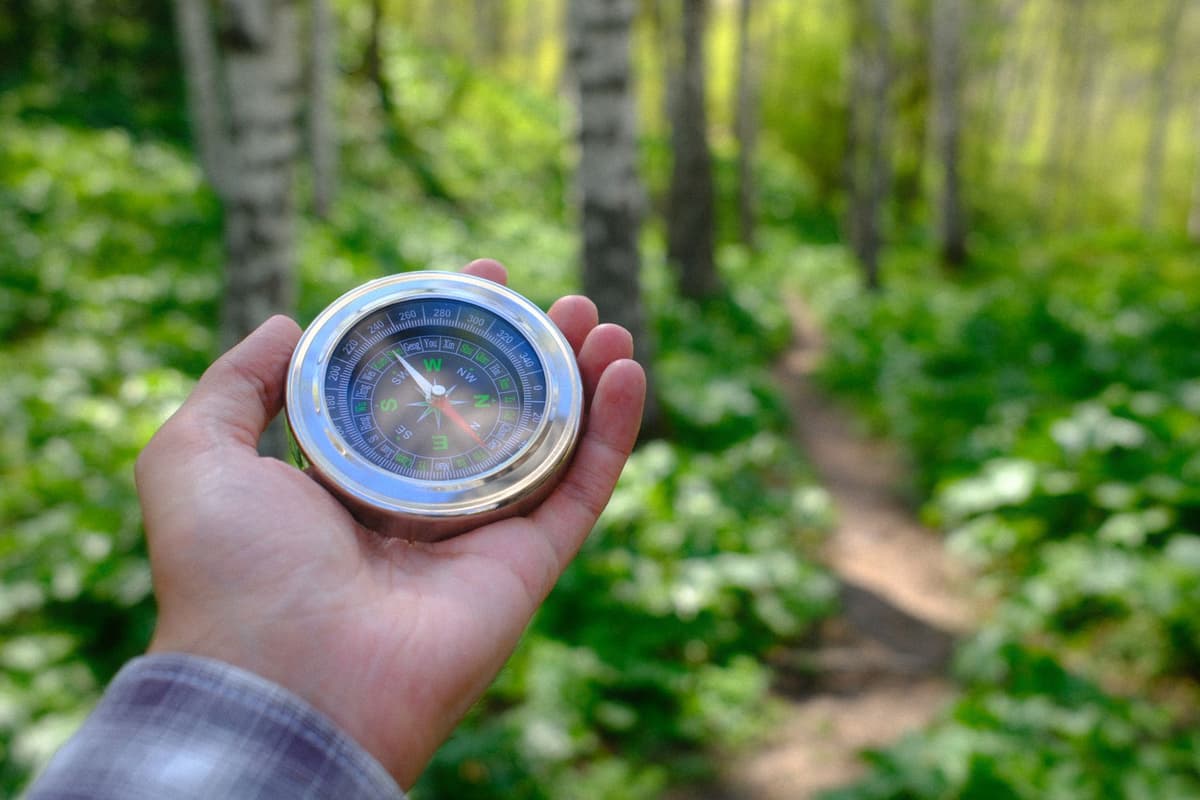
Photo by Steppe Walker on Pexels
By framing the game around solarpunk themes, organizers create a space where players are not just surviving; they are rebuilding. They practice water filtration, solar grid maintenance, and resource rationing within a narrative of hope. This contrasts sharply with the doom-scrolling that dominates our daily media consumption.
It is a structured environment where players can confront their climate anxiety and societal dread. Instead of feeling paralyzed by the global news cycle, they spend 48 hours actively solving localized, simulated crises. The fiction acts as a psychological buffer, allowing participants to process very real fears about the future without being crushed by them.
Rebuilding the Muscle of Mutual Reliance
Perhaps the most urgent element of these events is the forced restoration of community. Our current culture is hyper-individualistic and deeply lonely. We live side-by-side but rarely rely on our neighbors for survival. In a high-stakes LARP, isolation is a liability. You cannot complete the objective alone.
These games force strangers into immediate, intense interdependence. You must trust someone else to pace-count while you navigate. You must share rations. You must coordinate physical labor under pressure.
- Participants must delegate tasks based on real-time assessments of fatigue and skill.
- Communication must be direct and unambiguous, stripped of corporate euphemisms.
- Conflict resolution is immediate and practical, as unresolved tension threatens the group's progress.
This is not the superficial networking of LinkedIn. It is a return to tribal cooperation. When the game ends, players return to their offices, but they carry a visceral memory of what it feels like to truly rely on other people. That memory is an antidote to the alienation of modern life.
What This Actually Means
The rise of extreme analog recreation is a warning sign. It tells us that the lifestyle we have built for ourselves is fundamentally unsustainable for the human psyche. When people must pay hundreds of dollars to pretend they are survivors in a ruined world just to feel useful, our daily reality is failing them.
This is not a fad; it is a coping mechanism. As our lives become more automated, the demand for artificial friction will only grow. We will see more of these highly structured, gamified survival spaces emerge as people seek refuge from the digital panopticon.
Ultimately, projects like Strandfall are not about escaping reality. They are about training to face it. They are a gym for the human soul, rebuilding the muscles of attention, direction, and community that our high-tech world has allowed to waste away.
Quick Answers
Isn't this just an expensive form of camping?
No. Camping is passive recreation. These events are highly structured, narrative-driven simulations that require active problem-solving, role-play, and physical navigation under artificial pressure.
Why do people need a fictional setting to go into the woods?
The fiction provides psychological safety. It allows participants to step out of their real-world identities, lower their defenses, and confront real anxieties through a structured, purposeful narrative.
Is this trend accessible to anyone?
Currently, it is limited by cost and physical ability, often attracting affluent professionals. However, the underlying principles of analog navigation and community-building can be practiced by anyone with a map and a local park.