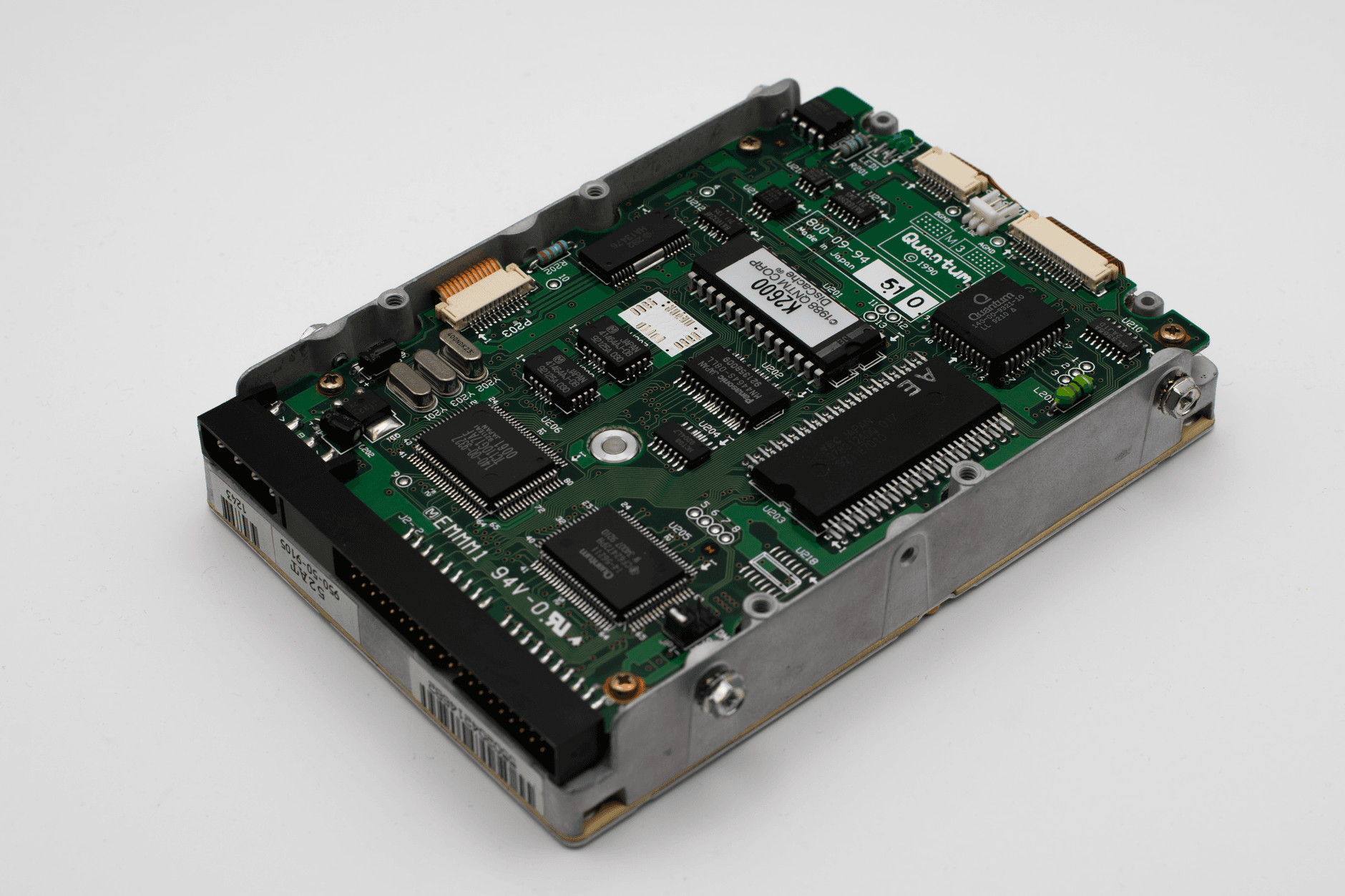
The myth of enterprise-grade hardware is dying a quiet, engineered death. For decades, industrial suppliers have operated under a highly lucrative assumption: that specialized tasks require proprietary, aggressively priced infrastructure. If you ran a factory floor, a logistics hub, or even a local bowling alley, you paid the gatekeeper. You paid for their locked-down controllers, their certified technicians, and their mandatory software subscriptions.
Then came a project that exposed the rot in this model. An engineer tasked with updating a failing, obsolete scoring and lane-control system at a bowling center was quoted $120,000 for a proprietary upgrade. Instead of writing the check, they spent $1,600 on ESP32 microcontrollers—chips that cost roughly $4 apiece in bulk—and rebuilt the entire control architecture from scratch. The system did not just work; it ran faster and proved easier to maintain than the legacy monolith it replaced.
The Anatomy of a High-Margin Illusion
Enterprise hardware manufacturers survive by selling artificial scarcity. They package basic computing functions—reading a sensor, triggering a relay, sending a packet of data—into ruggedized plastic housings, slap on a proprietary communications protocol, and mark up the price by 10,000%.
To justify these margins, sales departments rely on a single, powerful word: reliability. They argue that consumer-grade or open-source hardware cannot survive the harsh realities of continuous industrial operation.
But the ESP32, developed by Espressif Systems and released in 2016, shattered this defense. It packs a dual-core processor, built-in Wi-Fi and Bluetooth, and dozens of programmable pins into a package smaller than a postage stamp. When paired with proper power regulation and optical isolation to protect against electrical noise, these cheap chips are incredibly resilient. They do not fail because they lack a corporate logo. In fact, because they are so cheap, redundancy can be built directly into the system design for pennies, a luxury that proprietary systems charge thousands of dollars to implement.
The High Cost of Closed Ecosystems
When a business buys into a proprietary enterprise ecosystem, they are not purchasing a solution; they are leasing a dependency. Legacy industrial systems are deliberately designed to prevent interoperability.
- Software Lock-in: Changes to the system configuration often require specialized, licensed software that costs thousands of dollars per seat.
- Artificial Obsolescence: Manufacturers regularly deprecate hardware lines, forcing businesses to undergo expensive full-system upgrades when a single component fails.
- Restricted Repair: Simple diagnostic tools are withheld from the buyer, ensuring that even minor glitches require a paid service call from a certified technician.
This is a classic rent-seeking strategy. It treats the customer as a captive resource to be milked over the lifecycle of the installation. By utilizing open-source hardware and standard programming environments like C++ or MicroPython, the bowling center operator did not just save $118,400 upfront. They claimed absolute ownership over their own infrastructure. If a controller fails today, they can replace it in ten minutes using a part ordered overnight from any electronic distributor.

Photo by Jakub Pabis on Pexels
The Democratization of Industrial Control
What happened in that bowling center is beginning to scale. Small-scale manufacturing plants, agricultural facilities, and municipal water treatment setups are quietly undergoing the same transformation.
This shift is driven by a massive influx of high-quality, open-source libraries. A decade ago, writing robust network code or implementing complex industrial protocols on a microcontroller required deep, specialized expertise. Today, robust, community-tested software libraries handle the heavy lifting.
This means the barrier to entry has collapsed. A competent developer can now write industrial-grade control software in weeks, bypassing the need for proprietary Programmable Logic Controllers (PLCs). The implications for small businesses are profound. When capital expenditure on automation drops by two orders of magnitude, projects that were previously financially impossible suddenly become highly viable.
What This Actually Means
We are witnessing the early stages of a hard decoupling between industrial capability and corporate gatekeeping. The traditional enterprise hardware model is built on a foundation of information asymmetry—the idea that building reliable automation is too difficult for anyone but a specialized conglomerate.
As open-source hardware matures, that asymmetry vanishes. The value is shifting rapidly from the physical silicon to the software and system integration. Companies that rely on selling locked-down, overpriced hardware will find their margins cannibalized by agile operators who realize that a $4 chip can do the job of a $4,000 controller.
This is not a trend of hobbyists playing at engineering. It is a rational, cold-eyed economic calculation. When the choice is between funding a legacy vendor's dividend or building a custom, maintainable system for one percent of the cost, the enterprise monopoly loses its grip. The future of industrial automation belongs to the open, the cheap, and the modular.
Quick Answers
Is cheap microcontroller hardware actually reliable enough for industrial use?
Yes, when implemented with proper industrial design practices. By using optocouplers to isolate inputs and stable power supplies, microcontrollers like the ESP32 can run indefinitely in harsh environments.
If this is so effective, why don't all large companies do it?
Large corporations often prioritize the perceived safety of service-level agreements (SLAs) and corporate liability over cost savings. They pay a premium to have a single vendor to blame when things go wrong.
What are the security implications of using open-source hardware in infrastructure?
Open-source hardware allows for complete auditability of the code. Unlike proprietary systems with hidden, unpatched backdoors, security can be actively managed, updated, and verified by the owner.