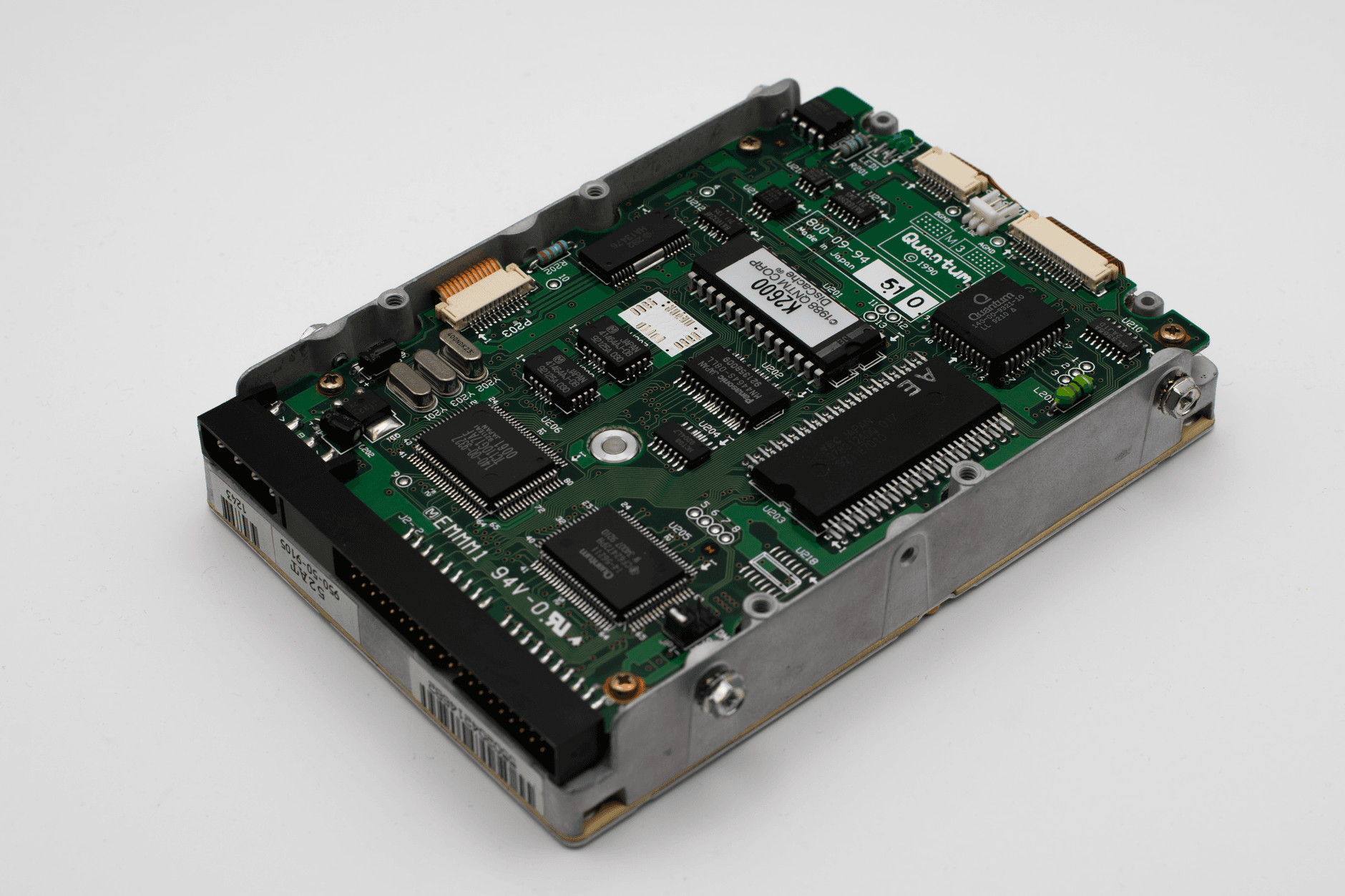
I am staring at a small, cold, metal box that costs $59 and looks like it belongs in a Siberian cell tower. It has no friendly glowing LED rings, no app with cute animations, and absolutely no interest in helping me "optimize my digital wellbeing." This is a MikroTik hEX, an enterprise-grade router designed for people who know what a VLAN trunk is, and it is currently sitting on my living room floor.
What fascinates me is how we got here. For the last decade, the tech industry told us that the future of home networking was "mesh"—sleek, white plastic pods that look like air fresheners, managed entirely through a smartphone app that requires a cloud login. Now, a growing subculture is actively throwing those $400 systems in the trash. They are replacing them with industrial Lithuanian hardware that looks like it was manufactured in 1998, all for the sake of taking back control of their own data packets.
The Accidental Secondary Market
There is a strange economic migration happening right under our noses. Typically, enterprise gear stays in the server room until it is obsolete, at which point it is crushed and recycled. But lately, corporate IT departments upgrading to 10-Gigabit fiber are dumping perfectly viable gigabit hardware onto eBay and Craigslist.
At the same time, companies like MikroTik and Ubiquiti are selling brand-new, entry-level enterprise gear directly to consumers at prices that make no sense. You can buy a five-port MikroTik router with a dual-core CPU for less than the price of a decent dinner. This has created what I can only describe as a "prosumer arbitrage."
- Consumer mesh systems lock you into subscription tiers just to see your own network history.
- Surplus enterprise gear offers infinite configuration for a one-time fee of double-digit dollars.
- The learning curve acts as a natural barrier, turning home networking into a hobby rather than a utility.
Why are people willing to spend three Saturday afternoons reading forum posts from 2014 just to get their Wi-Fi working? It is not about saving money. It is about a fundamental shift in how we view the devices inside our homes.
The Hidden Toll of the Friendly Cloud
When did our routers start needing to know our email addresses? If you buy a mainstream consumer mesh router today, you cannot set it up without creating an account on the manufacturer's cloud server. That feels normal now, but if you stop and think about it, it is incredibly weird.
Every time your phone connects to your Wi-Fi, that event is logged, sent to a cloud server, and processed. Under the guise of "security updates" and "easy management," these companies have inserted themselves as middlemen between your laptop and your wall jack. They know when you are home, what devices you own, and potentially, through DNS queries, what services you are using.
By contrast, when you boot up a MikroTik router, it does nothing. It does not phone home. It does not ask for an email. It sits there, blank, waiting for you to tell it what to do. It is a refreshing, almost shocking level of respect for user sovereignty. But it demands that you actually know what you are doing, which is where the curiosity turns into a bit of a struggle.
The Beautiful, Terrifying Reality of RouterOS
Setting up one of these devices is a lesson in humility. The operating system, RouterOS, does not have a wizard that says "click here to connect to the internet." Instead, you are presented with a interface that looks like a spreadsheet had a baby with an airplane cockpit.
I spent two hours yesterday trying to figure out why my laptop could not get an IP address. In a standard consumer router, this is handled automatically. In the enterprise world, you have to manually create a DHCP pool, assign it to a bridge, link that bridge to your physical ethernet ports, and then write a firewall rule to masquerade your local traffic to the outer world.
It is tedious, but it forces you to understand how the internet actually works. You start to see packets not as magic juice flowing through the air, but as physical envelopes with addresses written on them. You realize how much junk traffic your smart TV is constantly trying to send to servers in East Asia, and for the first time, you actually have the power to block it.
What This Actually Means
This movement toward "de-clouding" isn't just about routers; it is a preview of a broader cultural fatigue. We are starting to realize that the convenience of SaaS-integrated hardware comes with a permanent tax on our privacy and autonomy. When a company can brick your security camera or your router with a remote firmware update because they decided to change their business model, "the cloud" starts to look less like a service and more like a landlord.
The migration of industrial gear into the home is a grassroots attempt to build digital fences. We are trading the polished, frictionless interfaces designed by Silicon Valley committees for raw, unadorned control. It is clunky, it is difficult, and it requires a willingness to learn things that most people would rather ignore.
But there is a quiet thrill in knowing that the data flowing through your house belongs entirely to you, locked behind a cheap metal box that answers to no one but its owner.
Quick Answers
Is a MikroTik router right for a normal household?
Only if you view troubleshooting network protocols as a fun weekend project. If you just want your Netflix to stream without thinking, stick to a standard consumer system.
Why are enterprise routers so cheap on the secondary market?
Companies amortize the cost of hardware quickly and dump perfectly functional gear during office upgrades, creating a massive supply of cheap, high-quality switches and routers for hobbyists.
Can't ISPs still track my data anyway?
Yes, your ISP can still see your external traffic destination unless you use a VPN. However, an enterprise router prevents the router manufacturer itself from harvesting your local network data and device habits.