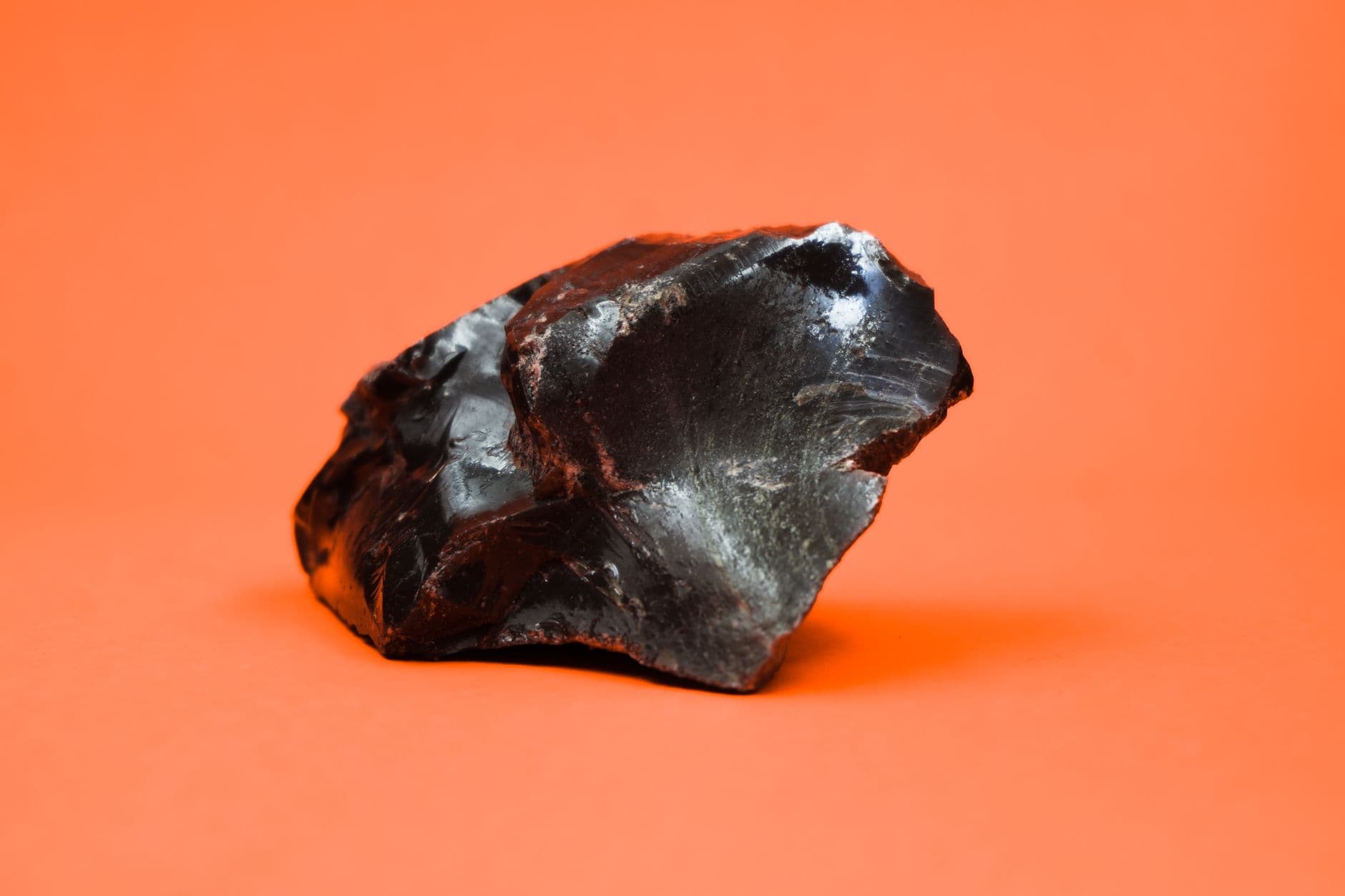
A Bargain Bin for Plutonium
We should all applaud the Department of Energy for its newfound commitment to fiscal responsibility, specifically when it involves the Savannah River Site. The Government Accountability Office (GAO) recently pointed out that the DOE basically decided to stop looking at expensive cleanup options because, well, they cost money. It turns out that when you are managing millions of gallons of radioactive liquid waste, the temptation to just mix it with some industrial leftovers and call it a day is nearly irresistible.
The plan involves taking "low-activity" waste and turning it into saltstone—a fancy word for a mixture of slag, fly ash, and portland cement. It is effectively a radioactive sidewalk. The DOE is so enamored with this grout-based future that they skipped several legally required steps to prove it actually works better than the gold standard: vitrification. Why turn waste into impenetrable glass when you can just make a really spicy batch of concrete for a fraction of the price?
The Culinary Art of Slag and Ash
Let’s talk about the chemistry of this budget-friendly tomb. To create saltstone, technicians take the liquid waste and fold it into a blend of blast furnace slag and coal fly ash. The theory is that the chemical environment inside this cement block will lock the radionuclides in place. It’s a lovely thought, assuming the cement stays perfectly intact for the next few thousand years. We’ve all seen how well the sidewalk in front of a post office holds up after three winters, so surely this will be fine for isotopes with half-lives longer than recorded human history.
The GAO report notes that the DOE didn't bother to fully evaluate the long-term leaching risks before narrowing their options. Vitrification—the process of melting waste into glass—is the undisputed king of stability. Glass doesn't care about your water table. Concrete, however, is a porous sponge that eventually succumbs to the relentless nagging of moisture. But hey, the DOE estimated that using grout could save billions. That’s a lot of money that can be spent on other things, like perhaps the inevitable lawsuits when the local aquifers start glowing in 2075.
- Vitrification cost: Astronomical, but the waste stays put.
- Grouting cost: Manageable, provided you don't think too hard about the 10,000-year horizon.
- Risk profile: "Hope for the best" is now a formal engineering strategy.
Groundwater is Overrated Anyway
The fundamental disagreement here is about how much we trust a chemical bond in a wet environment. The DOE is betting that the reducing environment created by the slag will keep elements like technetium-99 from wandering off. Technetium-99 is particularly annoying because it loves to travel in water. If the grout fails, the local water table becomes a high-speed rail system for radiation. The GAO’s complaint is essentially that the DOE looked at the price tag of the glass and the price tag of the concrete and suddenly developed a very convenient case of scientific amnesia regarding these leaching rates.
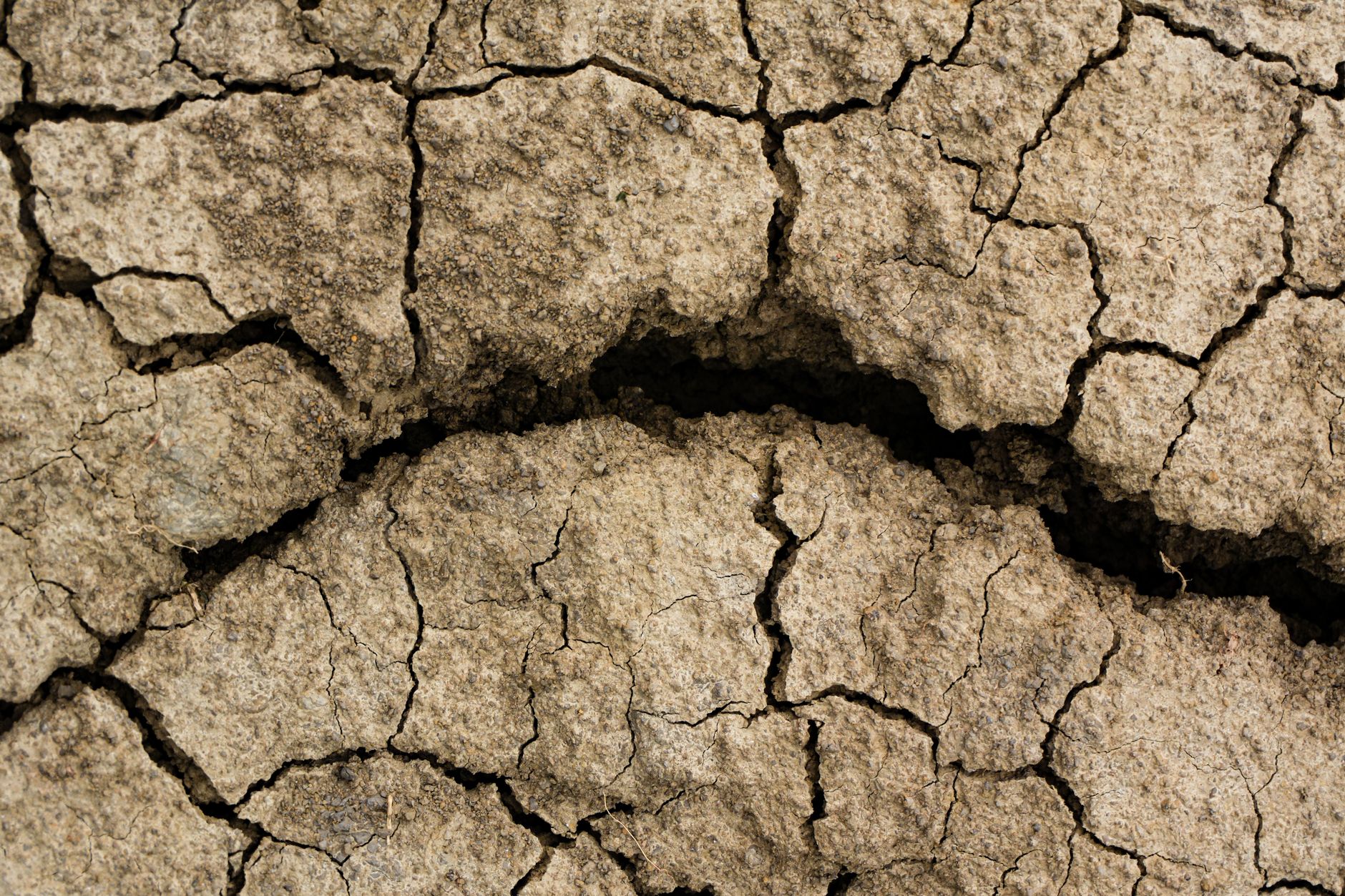
Photo by Samiran Biswas on Pexels
By narrowing the scope of their Environmental Impact Statement prematurely, the DOE effectively muted the scientists who might have pointed out that "good enough" isn't a great metric for nuclear waste. They skipped the part where they prove the saltstone can actually survive the specific geological quirks of South Carolina. It’s a bold move. It’s the kind of confidence usually reserved for people who try to fix a leaky pipe with nothing but duct tape and a dream. Except in this case, the pipe is full of liquid nightmares.
What This Actually Means
What we are witnessing is the triumph of the quarterly budget over the geological epoch. The GAO isn't saying grouting is impossible; they are saying the DOE is being lazy and secretive about the risks because the truth might be expensive. If you skip the analysis, you don't have to report the bad news. It’s a foolproof system until the sensors in the monitoring wells start ticking.
The DOE's rush to exclude cheaper options—or rather, to exclude the expensive ones by pretending the cheap one is flawless—is a masterclass in bureaucratic shortcuts. We are essentially being told that the environmental safety of the Savannah River basin is worth exactly as much as the DOE's current budget surplus. It’s a comforting thought for anyone who doesn't live near a river or plan on having descendants.
Ultimately, this isn't about chemistry; it's about accounting. We have decided that the people of the year 3000 can deal with our discount concrete choices as long as we can balance the books in 2024. It’s the ultimate "not my problem" move, wrapped in the respectable language of industrial grout and slag-based stabilization.
Quick Answers
Is saltstone as safe as glass vitrification?
Generally, no; glass is significantly more stable and less prone to leaching over thousands of years, which is why it costs so much more.
Why did the GAO flag the DOE's plan?
Because the DOE skipped the mandatory steps of comparing all viable cleanup methods, effectively choosing the cheapest option before proving it was safe.
What happens if the grout fails?
Radionuclides like technetium-99 can leach into the soil and eventually reach the groundwater, which is generally considered a bad outcome for people who like drinking water.