Your Cable Bill Is A Personal Insult
I recently looked at a standard cable bundle and felt the same way I do when I see a seagull trying to eat a discarded diaper—confused, disgusted, and strangely impressed by the audacity. We are currently paying $150 to $200 a month for the privilege of watching three channels we actually like and 497 channels dedicated to people flipping houses in Waco, Texas. It is a financial hostage situation where the kidnapper keeps sending you episodes of The Masked Singer as proof of life.
But the era of the 'Pirate IPTV' middleman is dying too. Nobody wants to send $15 a month to a sketchy web portal that smells like identity theft just to have the feed cut out during the fourth quarter of the Super Bowl. The real lunatics—the heroes we deserve—have moved on to the 'P2P Decentralized Cable' movement. This isn't just piracy; it’s a lifestyle choice that involves more Linux commands than most people use in a lifetime. It’s about building your own personal TV station because you’ve decided that the corporate algorithm is too cowardly to show Interstellar back-to-back with 1980s Japanese toothpaste commercials.
The Glory Of The Automated Personal Feed
Imagine a world where you don't 'surf' channels. Instead, you are the God-King of your own local area network. Using tools like ErsatzTV or DizqueTV, people are now taking their massive hoards of 'legally acquired' digital media and organizing them into actual, linear TV channels. You can literally program a 24-hour block that is nothing but 90s cartoons, followed by a three-hour block of high-speed police chases, concluding with a midnight screening of a documentary about fungi.
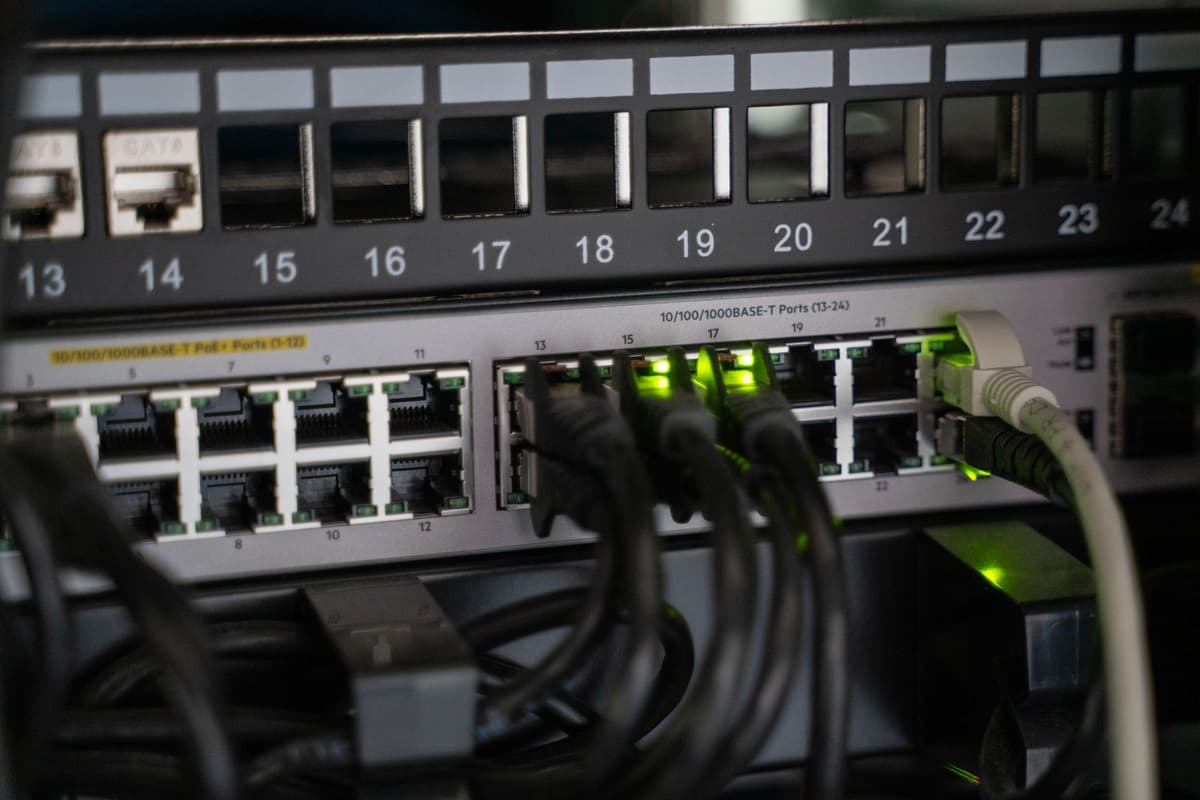
Photo by Vladimir Srajber on Pexels
This isn't just a playlist; it’s a vibe. There is a psychological comfort in turning on the TV and having it just play something without you having to scroll through a Netflix menu for forty-five minutes until your dinner is cold and your will to live is gone. These DIY broadcasters are even injecting vintage commercials into the stream. There is nothing quite like watching a 4K rip of Dune: Part Two and having it interrupted by a 1994 ad for a Sizzler steakhouse. It grounds you. It reminds you that time is a flat circle and everything is beautiful nonsense.
Decentralization Means Never Saying Sorry
The real 'P2P' magic happens when these enthusiasts start sharing their curated feeds across decentralized protocols. Instead of a central server that the FBI can kick down like a cheap door, the content is distributed across a network of peers. It’s like a digital potluck where everyone brings a casserole, but the casserole is a 24/7 stream of The Price is Right from the Bob Barker era.
- No more 'Service Down' messages because a server in the Netherlands got seized.
- No more paying a guy named @Streamz4U on Discord.
- Total control over the bitrate, so your reruns of The Office don't look like they were filmed through a screen door.
- The sheer, unadulterated joy of knowing that Comcast isn't getting a single penny of your 'being a couch potato' budget.
Setting this up is, of course, a nightmare. You will spend six hours trying to figure out why your Docker container isn't talking to your Plex server, and you will eventually contemplate throwing your router into a lake. But once it works? You feel like Prometheus stealing fire from the gods, if Prometheus used that fire to watch every episode of Columbo in chronological order.
What This Actually Means
This movement is the ultimate 'fine, I'll do it myself' response to the fragmentation of streaming. We spent ten years moving away from cable, only to find ourselves paying for twelve different apps that all decided to raise their prices by $3 at the exact same time. The P2P cable movement isn't just about getting free stuff; it's a protest against the UI-fication of our lives. We want our mindless background noise back, but we want it on our terms.
We are moving toward a world of 'Hyper-Local Media.' Your neighbor might be broadcasting a channel that is 100% focused on local high school sports and 1970s horror movies. The guy three blocks away might have a 24/7 feed of NASA space walks set to Lo-Fi hip hop. It’s a chaotic, beautiful, disorganized mess that feels more like the actual internet than anything a multi-billion dollar media conglomerate has produced in a decade.
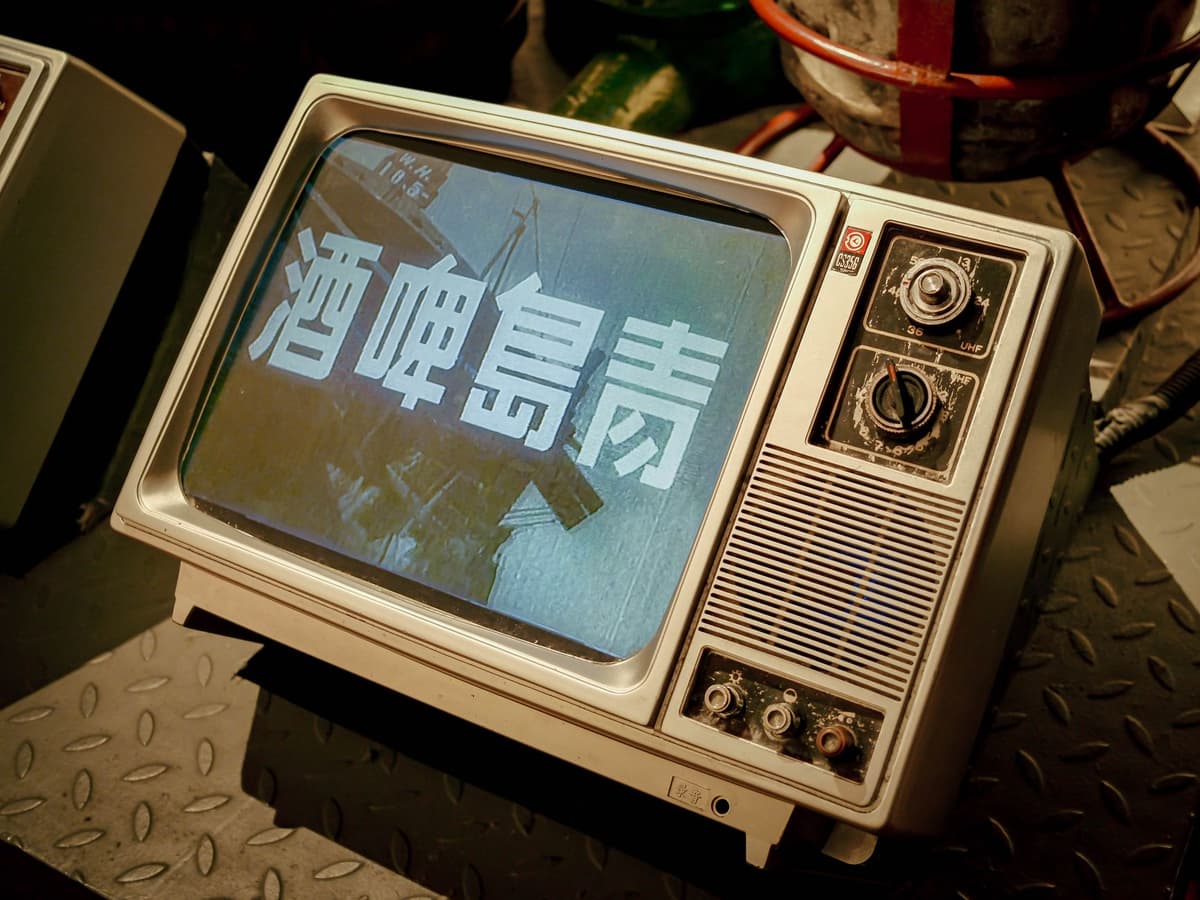
Photo by BI ravencrow on Pexels
Ultimately, the 'DIY TV' culture is a return to the hobbyist roots of technology. It’s for the people who look at a $200 cable box and think, 'I could build a worse version of this for $400 and three weeks of my time.' And honestly? Godspeed to them. I’d rather watch a glitchy P2P stream of a Romanian car show than spend another second looking at the 'Recommended for You' section on Disney+.
Quick Answers
Is this legal?
It occupies a legal gray area so dark it’s basically Vantablack, but generally, hosting your own media for yourself is fine; sharing it with 5,000 strangers is where the lawyers start salivating.
Do I need to be a genius to set this up?
You don't need to be a genius, but you do need the patience of a saint and the ability to read forum posts from 2012 written by guys named 'LinuxG0d69.'
How much does it cost?
Initial hardware can run you $100 to $500, but the satisfaction of telling the cable company to kick rocks is technically priceless.