Arduino just dropped a bomb on the corporate telecom monopoly, and they did it with a circuit board that looks like it was designed by a caffeinated toddler. By releasing plug-and-play modules for LoRa—Long Range radio, for those who don't spend their weekends inhaling solder fumes—they have effectively bypassed traditional cellular carriers. We are talking about sending data over ten miles using the same amount of power it takes to run a singing greeting card.
For years, "smart cities" were the exclusive playground of massive conglomerates charging municipalities $50,000 to install a single connected trash can. Now, any guy named Chad with a 3D printer and a dream can build a decentralized mesh network that covers his entire zip code. The corporate stranglehold on the Internet of Things is crumbling, and it is being replaced by a glorious, chaotic circus of amateur weather stations.
The Ten-Mile Walkie-Talkie for Data
To understand why this is hilarious, you have to understand what LoRa actually is. It is not Wi-Fi. You cannot use it to stream high-definition videos of cats falling off sofas. If you tried to download a single JPEG over a LoRa connection, you would be eligibility for a pension by the time the top left corner rendered.
Instead, LoRa sends tiny, pathetic little chirps of data over absurdly long distances. It is the digital equivalent of throwing a paper airplane with a single digit written on it. But because the data packets are so ridiculously small, the battery on these modules can last for five years on a single AA. You can literally tape one of these things to a turtle, throw it in a swamp, and track its body temperature from the comfort of a local Applebee's until the year 2030.
Historically, setting this up required a degree in radio frequency engineering and the patience of a Zen monk. Arduino’s new plug-and-play approach means the barrier to entry has been lowered from "rocket science" to "can you match the red wire to the red hole without setting your dining room table on fire?" It is democratization in its purest, most chaotic form.
Enter the Suburban Overlords of the Airwaves
Naturally, the immediate result of this technological breakthrough will not be a utopian network of community-owned environmental sensors. It will be petty suburban warfare. We are about to see an absolute explosion of hyper-local, deeply unnecessary data collection.

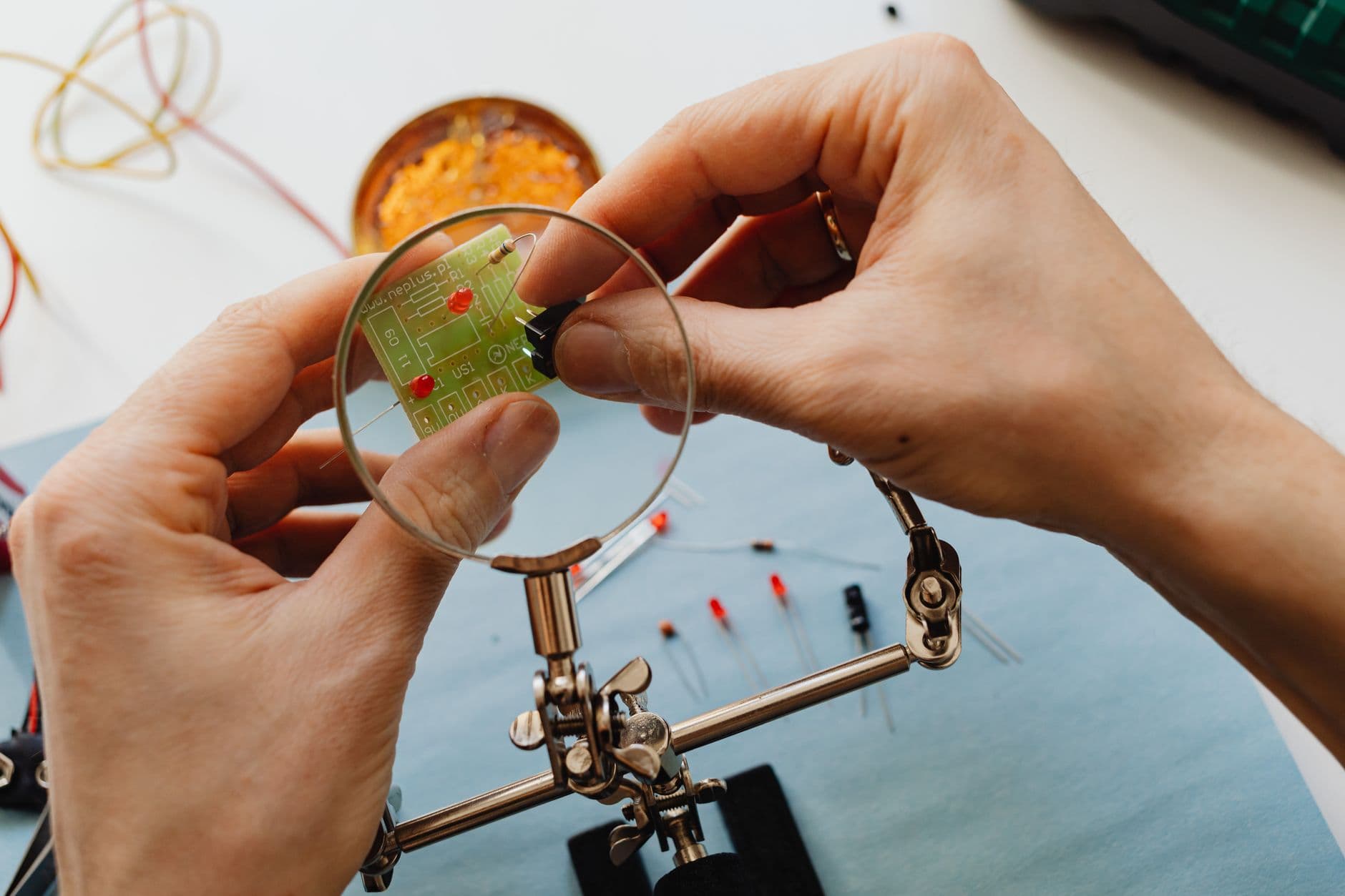
Photo by Alfo Medeiros on Pexels
I fully expect my neighbor, Dave, to establish a localized mesh network solely to track which specific dog is defecating on his lawn. He will have soil moisture sensors hidden in the grass, acoustic sensors tuned to the frequency of a golden retriever’s sigh, and a LoRa-enabled catapult primed to launch a biodegradable paint balloon. All operated from a dashboard on his iPad while he sits on the toilet.
This is the real promise of decentralized infrastructure. It bypasses the cellular carriers who want to charge you $15 a month just to let your smart toaster tell you the bread is warm. Why pay a multi-billion-dollar telecom conglomerate when you can build a janky, solar-powered gateway out of a Tupperware container and a broomstick, mount it to your roof, and route your data through a network of like-minded weirdos in your tri-state area?
The Smart City is Dead, Long Live the Dumb City
When Cisco or IBM talks about "smart cities," they show slick animations of autonomous buses gliding through glass-and-steel metropolises. It is sterile, expensive, and incredibly boring. Arduino is offering us something much better: the "Dumb City."
- Local teenagers mapping the exact location of every pothole in town using vibrating sensors taped to their skateboards.
- Community gardens that automatically text a volunteer when the tomatoes are thirsty, bypassing municipal bureaucracy entirely.
- A decentralized network of air quality sensors that proves, with hard scientific data, that the local paper mill smells exactly like wet dog.
This is infrastructure built from the bottom up, held together by zip ties and hot glue. It is cheap, it is resilient, and it belongs to the people who built it. If a cell tower goes down in a storm, the corporate network dies. If a LoRa gateway gets knocked over by a raccoon, three other hobbyists in the neighborhood automatically reroute the traffic through their attic antennas.
What This Actually Means
We are witnessing a quiet, highly nerdy revolution. By stripping away the complexity of long-range wireless communication, Arduino has turned a complex industrial tool into a toy. And history shows that when you give creative, bored people cheap toys, they build incredible things.
Will 90% of these projects be completely useless? Absolutely. We are going to see an unprecedented amount of data generated about things that do not matter in the slightest. But the other 10% will change how communities manage themselves. We are looking at grassroots flood detection, decentralized emergency communication during disasters, and wildlife tracking that doesn't require a state university budget.
So, prepare yourselves. The airwaves are about to be flooded with billions of tiny, invisible chirps as the hobbyists of the world unite to monitor things that probably did not need to be monitored. And honestly? I cannot wait to see what they build with their Tupperware.
Quick Answers
Do I need a license from the FCC to use this?
No. LoRa operates on unlicensed radio bands (like 915 MHz in the US), which are basically the wild west of the airwaves. It is the same frequency band used by baby monitors and old garage door openers, so feel free to broadcast your nonsense unchecked.
Can I use this to get free internet in my backyard?
Absolutely not. Unless your idea of "internet" is receiving a text message that says "GATE IS OPEN" once every four minutes. This is for tiny packets of sensor data, not for streaming Netflix behind the garage.
How much does it cost to set up a basic node?
You can get started for under $40. That is roughly the cost of two decent burritos, except the Arduino module will last for five years and won't cause immediate digestive regret.