A crafter recently spent dozens of hours sorting, melting, and arranging ten pounds of failed 3D prints into a beautiful mosaic of a koi pond. It is a stunning visual. It is a triumph of human patience. It is also the perfect monument to our collective delusion that we can craft our way out of an ecological collapse.
This is the high-water mark of "micro-recycling," a movement where well-meaning hobbyists inherit the waste management duties of multi-billion-dollar chemical conglomerates. While industrial facilities pump out millions of tons of virgin plastic, we are expected to applaud because a guy in Oregon turned a bucket of ruined plastic Yoda heads into a decorative tabletop.
The Magic of Plastic That Does Not Actually Rot
To understand this triumph, we have to look at polylactic acid, or PLA. This is the darling material of the 3D-printing world, marketed with the cozy, farm-to-table promise of being "corn-based" and "biodegradable." It sounds like something you could toss into your backyard compost bin next to the banana peels.
Try doing that. If you bury a failed PLA print in your garden, your grandchildren will dig it up looking exactly the same in eighty years. PLA only degrades under industrial composting conditions—meaning a sustained 140-degree Fahrenheit environment with highly specific microbial activity.
There are only about 185 industrial composting facilities in the United States, and the vast majority of them do not accept PLA because it looks too much like the bad plastic and ruins their batch. So, the "eco-friendly" plastic goes straight to the landfill, where it behaves precisely like the petroleum-based trash we were trying to avoid.
Your Local Maker Space Is the New EPA
Since municipal recycling systems refuse to touch 3D-printer waste, the burden of saving the planet has naturally fallen upon local hobbyists. It is a beautiful system. Corporations reap the profits of selling cheap filament, and teenagers in maker spaces get the privilege of breathing in melting plastic fumes to create "circular design" projects.
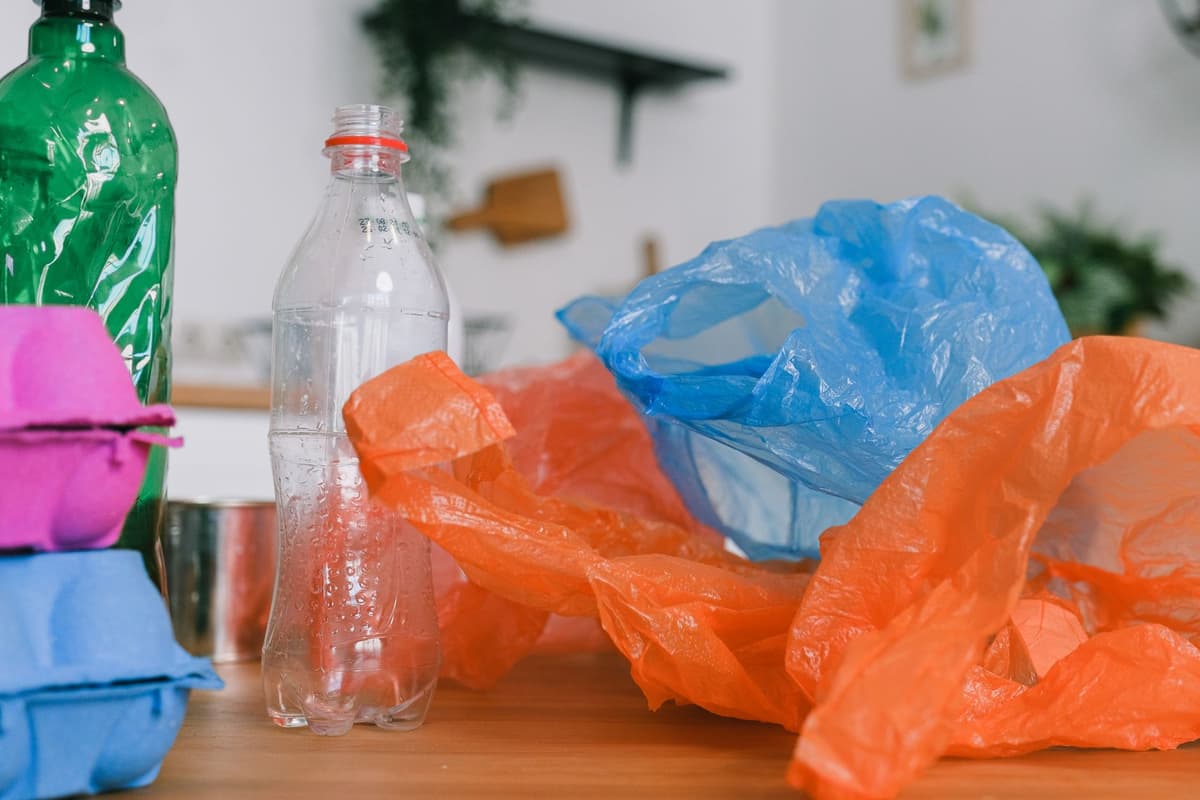
Photo by SHVETS production on Pexels
This shift in responsibility is a masterclass in corporate public relations. We have successfully rebranded a systemic failure of waste infrastructure as a fun weekend DIY project. If you are not melting your failed benchy boats into a soap dish, are you even trying to reduce your carbon footprint?
This logic suggests that if we just make enough coasters, jewelry dishes, and decorative fish, the Great Pacific Garbage Patch will simply sort itself out. It turns environmentalism into a game of arts and crafts where the prize is feeling slightly less guilty about our purchasing habits.
The Math of the Mosaic
Let us look at the actual numbers. The koi pond mosaic utilized ten pounds of scrap plastic. In 2023, the global 3D printing filament market reached an estimated $1.2 billion, which translates to hundreds of thousands of tons of plastic produced annually.
To offset just one day of global filament production, we would need to construct approximately four million koi pond mosaics. That requires a lot of wall space. It also requires an army of crafters working triple shifts, inhaling microplastics in their garages, all to keep up with the output of a few factories.
- The energy used to melt down the scrap plastic for these projects often exceeds the energy required to manufacture virgin material.
- The fumes released during DIY melting processes are rarely filtered, unlike in industrial facilities.
- Most micro-recycled items cannot be recycled a second time because the polymer chains degrade with every heat cycle.
We are essentially delaying the landfill by a few years while pretending we solved the equation. The mosaic is not a closed loop; it is just a very pretty detour on the way to the dump.
Why We Love the Lie
We embrace these projects because the alternative is admitting that our consumer technology is fundamentally incompatible with a healthy planet. It is much easier to share a viral video of a colorful plastic fish than to demand strict regulations on plastic manufacturing and municipal waste management.
These creative projects serve as a convenient distraction. They allow us to look at a pile of non-recyclable garbage and see "potential" instead of a permanent ecological footprint. They turn a systemic crisis into an individual design challenge.
So, by all means, keep melting your scraps. Make more fish. Make a matching set of coasters. Just do not mistake your glue gun for a policy tool.
Quick Answers
Is PLA actually biodegradable?
Only in industrial composting facilities that reach 140 degrees Fahrenheit, which are rarely accessible to the public. In your backyard or a landfill, it behaves like normal plastic.
Can I put failed 3D prints in my curbside recycling bin?
No. Municipal recycling systems cannot identify or process PLA, and putting it in your bin can contaminate the entire batch of recyclable plastics.
Are DIY plastic recycling projects safe to do at home?
Not really. Melting plastics at home releases volatile organic compounds and microplastics into your living space without proper industrial ventilation.